

Ford Taurus Engine Coolant Temperature Sensor Guide (1995-2002)
Everything a 1995-2002 Ford Taurus owner needs to know about a failing ECT sensor and how to choose a replacement.
- A failing ECT sensor will usually trigger a Check Engine Light with codes like P0117 or P0118.
- Symptoms include poor gas mileage, rough idle, black smoke, and potential overheating.
- For best results and longevity, choosing the OEM Motorcraft brand is highly recommended by other Ford owners.
- Replacement is a simple DIY task that takes less than an hour with basic tools.
Symptoms of a Failing ECT Sensor
When the coolant temperature sensor on your Taurus starts to fail, it can cause a variety of problems. The car's computer gets bad information, leading to poor engine performance. You might notice one or more of these signs:
- Check Engine Light: This is often the first sign. The computer will store a trouble code like P0115, P0117, or P0118. 🎬 Watch: How to fix a P0118 engine code in minutes.
- Poor Fuel Economy: If the sensor wrongly tells the computer the engine is cold, the computer will inject too much fuel, wasting gas.
- Black Smoke from Exhaust: A rich fuel mixture caused by a bad sensor can result in black smoke coming from the tailpipe.
- Engine Overheating: A faulty sensor might not signal the cooling fans to turn on when needed, causing the engine to overheat. The temperature gauge on your dash may also give inaccurate readings.
- Hard Starting or Rough Idle: The engine may be difficult to start, especially when cold, or it might idle roughly because the computer is using the wrong fuel and timing settings.
Choosing the Right Aftermarket Sensor
When it's time to replace your ECT sensor, you have a choice between OEM (Motorcraft) and various aftermarket brands. For a critical sensor like this, quality matters.
| Brand Tier | Brands | Quality & Cost Assessment |
|---|---|---|
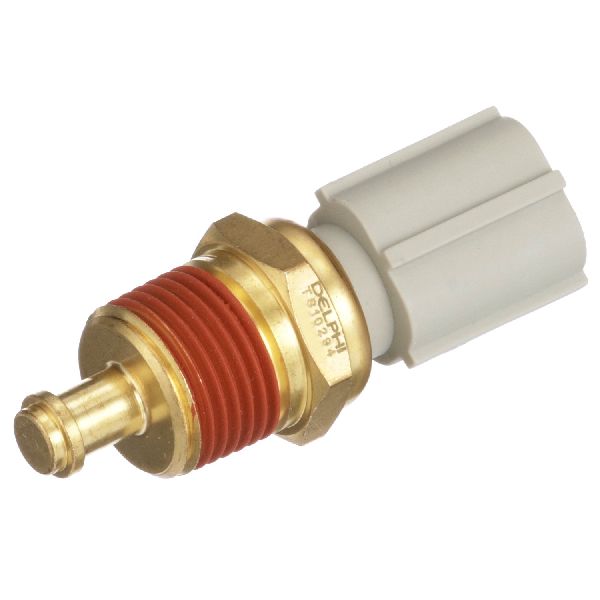
| OEM / Premium Aftermarket | Motorcraft, Delphi, NGK | Motorcraft is the original Ford part and is highly recommended for reliability. Forum users report that cheaper aftermarket sensors can fail prematurely, leading them to eventually buy the Motorcraft part anyway. Delphi and NGK are also known for making high-quality sensors that often meet or exceed OEM specifications. These are your best bet for a long-lasting, trouble-free repair. |
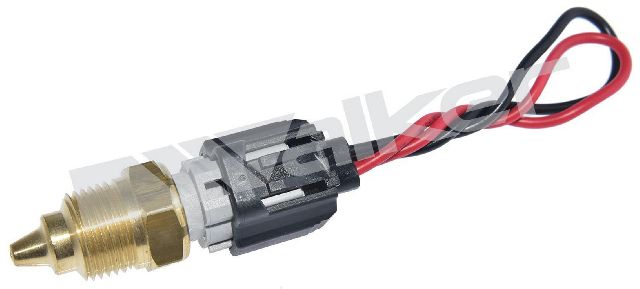
| Quality Aftermarket | Standard Ignition (SMP), Walker Products, Holstein | These brands are generally considered reliable mid-tier options. They offer a good balance between price and quality and are a solid choice if a Motorcraft sensor isn't in the budget. Standard Ignition, in particular, is a well-established name in aftermarket electronics. |
| Budget-Friendly | Facet, Four Seasons, Global Parts, True Tech | These brands fall into the economy category. While they are the most affordable, their long-term reliability can be inconsistent. They might be a suitable option for a temporary fix or if budget is the primary concern, but be aware that you may be replacing the part again sooner than you would with a premium brand. |
A Note on Quality
For electronic sensors that provide critical data to the engine computer, spending a little more for a quality part like Motorcraft is often the wisest choice. Some forum members have noted that even when buying other brands, they sometimes receive a part that is physically identical to the OEM component, but this can be hit-or-miss. Cheaper sensors made of plastic instead of brass may not last as long.
Known Issues, Recalls, and TSBs
For the 1995-2002 Ford Taurus, there are no specific recalls or widespread Technical Service Bulletins (TSBs) directly for the engine coolant temperature sensor itself. Searches on the NHTSA database did not reveal any recalls for this specific component on these model years. However, Ford did issue a customer satisfaction program for 2000-2003 models with Duratec engines related to engine cables, but this is unrelated to the ECT sensor.
Pro Tip: Check Both Sensors
Your Taurus may have two temperature-related sensors. One is the Engine Coolant Temperature (ECT) sensor for the computer, and the other is the temperature sender for the gauge on your dashboard. Make sure you are replacing the correct one. The ECT sensor for the computer is the one that will trigger a check engine light and cause the performance issues described above.
Frequently Asked Questions (FAQ)
Where is the ECT sensor located on my 1995-2002 Taurus?
The ECT sensor is typically located near the thermostat housing, 🎬 See this walkthrough for locating the sensor and thermostat. screwed into the engine block or cylinder head. On the 3.0L V6 engine, it is often found on the top of the engine, near where the upper radiator hose connects. You will need to unplug the electrical connector to access it.
Can I replace the ECT sensor myself?
Yes, this is a DIY-friendly job for most home mechanics. The sensor is usually accessible, and the replacement process involves unplugging the electrical connector and unscrewing the old sensor. You will need a deep socket (often 19mm) to remove it. 🎬 Watch: Step-by-step guide to replacing your coolant temperature sensor. It's best to do this when the engine is completely cool to avoid burns and minimize coolant loss.
Do I need to drain the coolant to replace the sensor?
You don't have to drain all the coolant, but some will leak out when you remove the old sensor. To minimize the spill, have the new sensor ready to quickly screw into place. Alternatively, you can drain a small amount of coolant from the radiator's petcock until the level is below the sensor. Always top off the coolant with the correct type (50/50 mix) after the job is done.
Should I use thread sealant on the new sensor?
Yes, it is recommended to apply a small amount of high-temperature thread sealant to the threads of the new sensor to prevent leaks. Do not use thread tape, as pieces can break off and enter the cooling system. Be careful not to overtighten the new sensor, as it is often made of brass and can break.
Helpful Videos
![How to Fix FORD P0118 Engine Code in 3 Minutes [2 DIY Methods / Only $7.33]](https://img.youtube.com/vi/QsygZ_C9NA8/mqdefault.jpg)
Technical Specifications
OEM Part Numbers: SW-5174
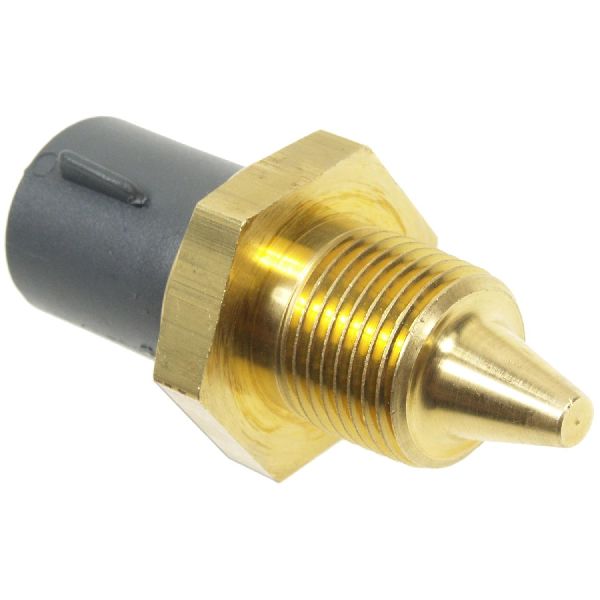
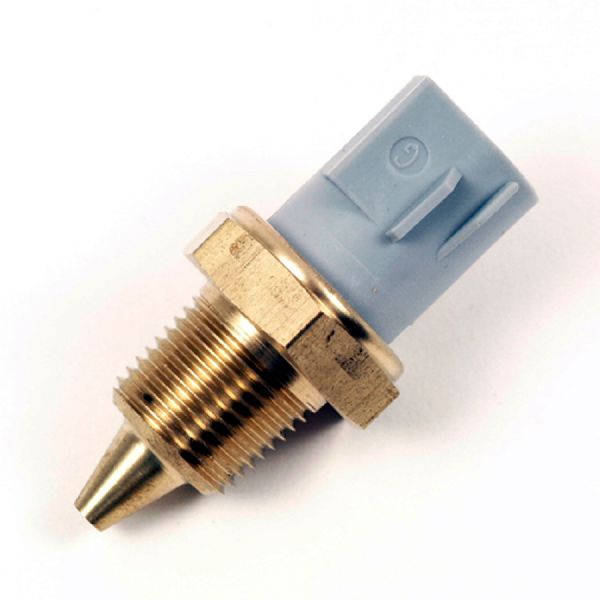
Two-wire thermistor sensor. Typically requires a 19mm deep socket for removal and installation. Torque specification is approximately 12 ft-lbs.
We Have This Part in Stock


The information in this article is provided for general reference and educational purposes only. Vehicle specifications, procedures, and part compatibility can vary by production date, trim level, and region. Always consult your vehicle's factory service manual and verify part numbers before purchasing or performing repairs. Safety-critical components such as airbags, seat belts, and braking systems should be installed by a qualified professional.
- Ford Taurus: