

Choosing the Right Disc Brake Pads for Your 1995-2002 Land Rover Range Rover
Stop effectively and reduce brake dust by selecting the perfect aftermarket brake pads for your P38A Range Rover.
- Always replace the brake pad wear sensors when you install new pads; they are a one-time-use part.
- Choose pad material based on your needs: ceramic for low dust and quiet operation, or semi-metallic for maximum stopping power.
- OEM pads were often made by Textar or Pagid, which are excellent aftermarket choices for factory-like performance.
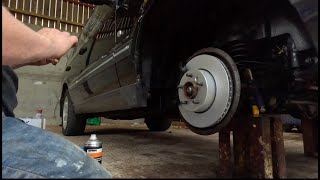
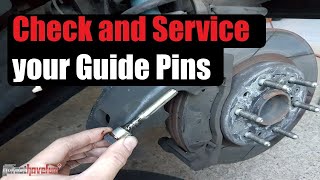
- During replacement, ensure caliper slider pins are cleaned and properly lubricated to prevent uneven pad wear.
Symptoms of Worn Brake Pads
Your Range Rover will give you clear signs when it's time for new brake pads. Ignoring them can lead to more expensive repairs. The most common symptom is a high-pitched squealing or scraping noise when you apply the brakes. You might also notice that it takes longer to stop, or the vehicle pulls to one side. A grinding sound means the pads are completely worn away, and you are hearing metal-on-metal, which can quickly destroy your brake rotors.
A key feature on the P38A Range Rover is the brake pad wear warning light on your dashboard. These vehicles are equipped with electronic sensors that will trigger a light when the pads are low. Do not ignore this light.
Choosing the Right Aftermarket Brake Pads
For a vehicle like the P38A Range Rover, aftermarket brake pads can be an excellent choice, sometimes offering better performance or characteristics than the original factory pads. The original pads were often made by brands like Textar or Pagid, which are available in the aftermarket. Here’s how to choose:
Pad Material Matters
- Semi-Metallic: These pads offer great stopping power and are good at handling heat, which is important for a heavy SUV. They were common as original equipment. The downside is they can be noisy and produce a lot of dark brake dust that dirties your wheels.
- Ceramic: A popular upgrade, ceramic pads are known for being very quiet and producing very little dust. They provide smooth, consistent stopping power for daily driving but may not have the same aggressive initial "bite" as semi-metallic pads under extreme conditions.
- Organic: These are typically the quietest and softest pads, but they wear faster and may not provide the performance needed to stop a heavy Range Rover effectively, especially in demanding situations.
Brand Tiers for Your Range Rover
Not all brands are created equal. Here’s a breakdown of popular choices:
- OEM & Premium Brands (Great for factory feel): Textar, Pagid, Brembo, and Bosch often supply parts directly to car manufacturers. Choosing these brands gives you confidence in fit and performance that is equal to or better than the original pads.
- Performance Brands (For upgrades): Brands like EBC Brakes (Greenstuff, Yellowstuff) and Hawk Performance are for owners looking for improved stopping power, often for towing or more spirited driving. Be aware that some performance pads can be noisier or dustier than standard pads.
- Daily Driver Brands (Value and reliability): Akebono (known for low-dust ceramic pads), Centric, Raybestos, and Wagner offer a great balance of quality, performance, and price for normal everyday use.
Known Issues, Recalls, and TSBs
While there are no specific recalls for the brake pads themselves on the 1995-2002 Range Rover, there was a recall in July 1995 for a defective ABS brake hose that could fail and increase stopping distances. Additionally, owners have reported issues with seized caliper slider pins causing uneven pad wear, where one pad wears out much faster than the other. It is critical to clean and lubricate these pins during a brake job. 🎬 See how to properly check and lubricate your caliper slider pins. Finally, issues with the brake pad wear sensors or their wiring can cause a persistent warning light even after pads are replaced. Always inspect the sensor and its wiring during replacement.
| Part Type | Price Range |
|---|---|
| New Aftermarket | $20.45 - $301.49 |
| New OEM | $170 - $300 |
| Shop Labor | $150 - $250 |
Frequently Asked Questions (FAQ)
Do I need to replace my brake rotors at the same time as the pads?
It is highly recommended. If your rotors are worn thin, warped (causing a pulsation in the pedal), or have deep grooves, they should be replaced. Installing new pads on old rotors can reduce braking performance and cause the new pads to wear out unevenly and quickly.
What is the brake pad wear sensor and do I need to replace it?
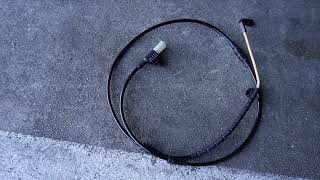
The brake pad wear sensor is a small electronic probe that contacts the rotor when your pads are low, completing a circuit and turning on a warning light on your dash. These sensors are designed for one-time use; once they are triggered, they must be replaced. It is best practice to replace the sensors every time you replace your brake pads.
🎬 Watch this guide on replacing your Range Rover brake pad wear sensors.Why is my brake warning light still on after changing the pads and sensors?
This can happen for a few reasons. The new sensor may be faulty or installed incorrectly. The wiring leading to the sensor could be damaged, which is a known issue. Lastly, on some P38A models, the warning light system may need to be reset with a diagnostic tool, though this is less common.
Which is better for my Range Rover: ceramic or semi-metallic pads?
It depends on your priority. If you hate cleaning your wheels and want quiet, smooth braking for city and highway driving, choose ceramic pads. If you prioritize maximum stopping power and a firm pedal feel, and don't mind some brake dust, semi-metallic pads are a better choice.
Helpful Videos
Technical Specifications
OEM Part Numbers: SFP500150 SFP500130 STC1276 STC9188
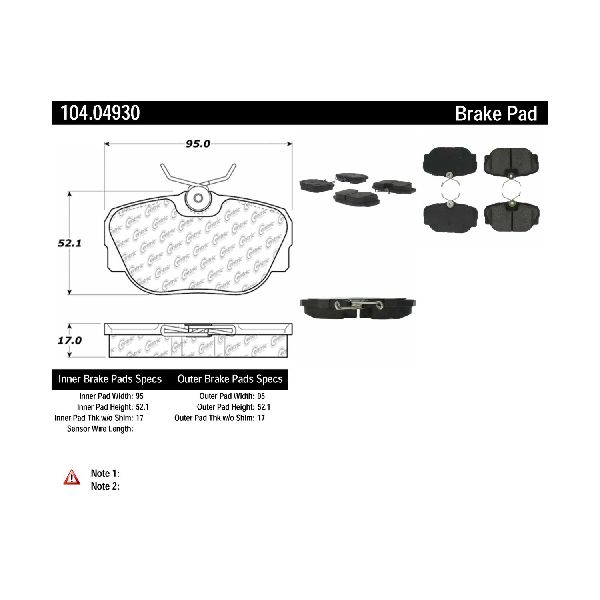
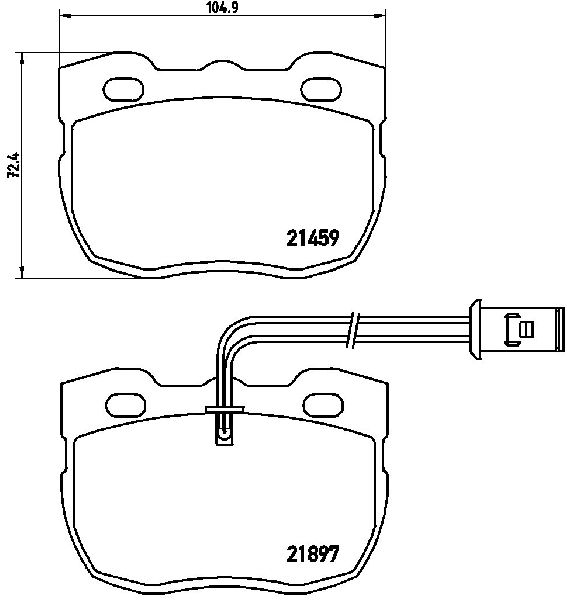
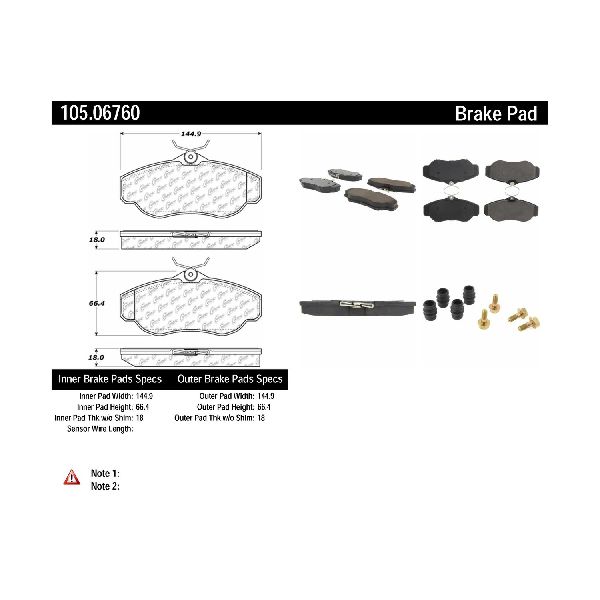
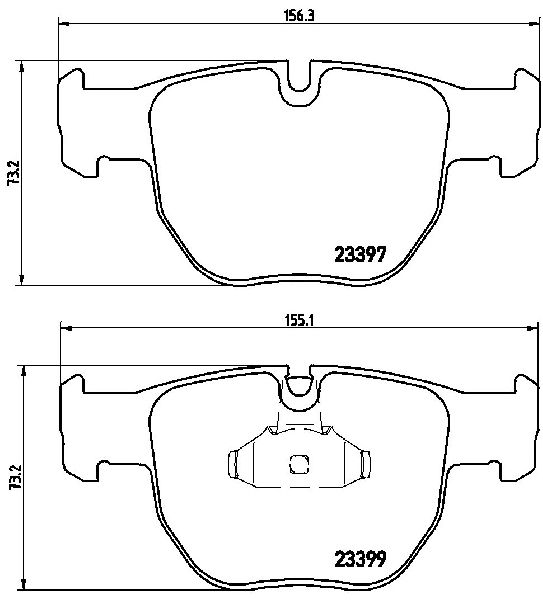
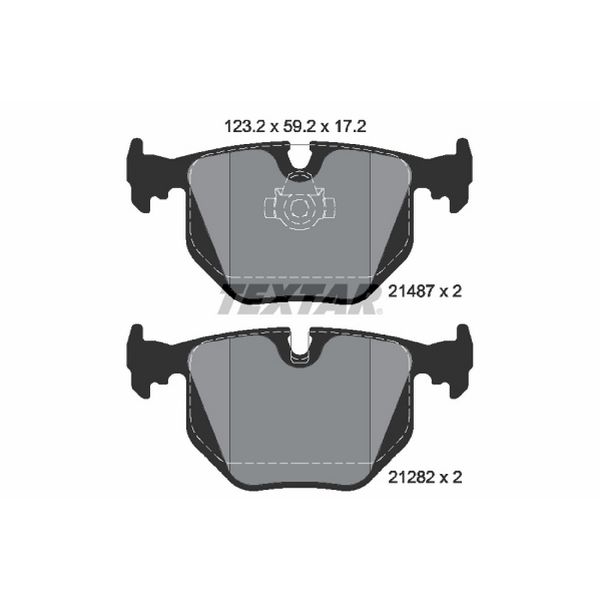
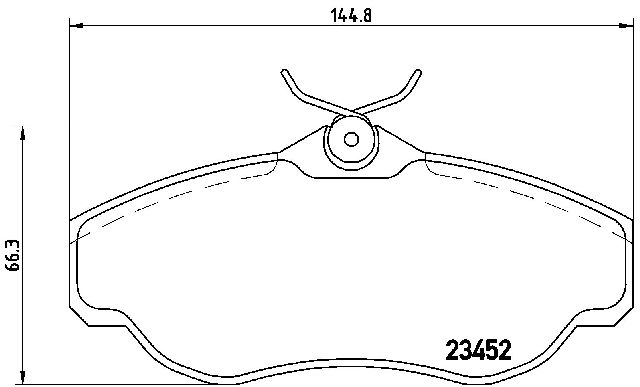
Fits 1995-2002 Land Rover Range Rover (P38A) 4.0 and 4.6 models. Requires one set per axle (front or rear). Requires replacement of brake wear sensors.
We Have This Part in Stock

The information in this article is provided for general reference and educational purposes only. Vehicle specifications, procedures, and part compatibility can vary by production date, trim level, and region. Always consult your vehicle's factory service manual and verify part numbers before purchasing or performing repairs. Safety-critical components such as airbags, seat belts, and braking systems should be installed by a qualified professional.
- Land Rover Range Rover: