

Pontiac Firebird Engine Coolant Temperature Sensor Guide (1995-2002)
An erratic temperature gauge or poor engine performance on your Firebird could be a faulty, but easy-to-fix, coolant temperature sensor.
- Verify your engine: 1995-97 LT1 models use two different sensors, while 1998-02 LS1/V6 models use a single sensor.
- A bad sensor can cause overheating by preventing the cooling fans from turning on.
- For best results, choose an OEM-quality brand like ACDelco or Delphi.
- Replacement is simple, fast, and can be done with basic tools, but be prepared for some coolant spillage.
Is Your Firebird's Engine Coolant Temp Sensor Failing?


A bad Engine Coolant Temperature (ECT) sensor can cause a surprising number of issues on the 1995-2002 Firebird, from minor annoyances to problems that could leave you stranded. Because it provides critical data to the engine computer, a faulty sensor can make the computer think the engine is hot when it's cold, or cold when it's hot. This leads to poor performance and can trigger a Check Engine Light.
🎬 Watch: 8 common symptoms of a failing coolant sensor.A Critical Difference: 1995-1997 LT1 vs. 1998-2002 LS1
It is extremely important to know which engine your Firebird has, as the sensor setup is different.
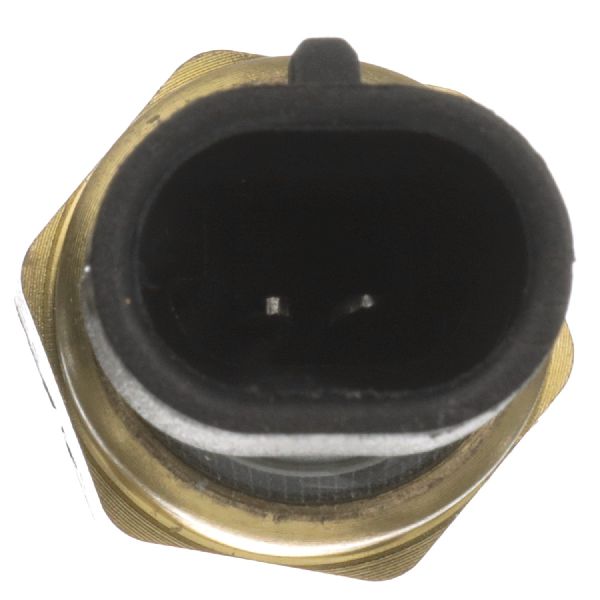
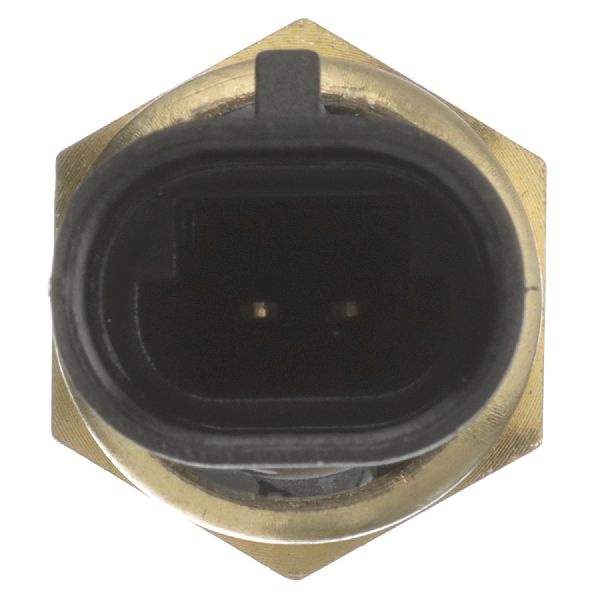
- 1995-1997 (LT1 V8): These models have two separate sensors. One sensor, typically with a two-wire connector, is for the engine computer (PCM) and is located on the front of the water pump. The second sensor, with a single wire, is for the temperature gauge on your dashboard and is located on the driver's side cylinder head, between the spark plugs. 🎬 See this walkthrough for replacing an LT1 coolant sensor.
- 1998-2002 (LS1 V8 & 3.8L V6): These models use a single sensor for both the PCM and the dashboard gauge. It is located on the front of the driver's side cylinder head. This sensor sends the temperature reading to the PCM, which then relays the information to your gauge cluster. 🎬 Watch: How to replace the sensor on a 3800 Firebird.
Ordering the wrong sensor is a common mistake. Always verify your engine type and the specific sensor you need to replace.
Choosing the Right Aftermarket ECT Sensor

For a critical component like the ECT sensor, quality matters. While many brands are available, they generally fall into a few quality tiers. For a GM vehicle like the Firebird, sticking close to the original equipment (OE) design is usually the best strategy.
Tier 1: OEM/Premium Brands
These brands are often the original equipment manufacturers for General Motors or are known for equivalent quality. They are the most recommended for reliability and accurate readings.
- ACDelco: As GM's in-house parts brand, ACDelco is the closest you can get to the original factory part. They offer "GM Genuine Parts" which are identical to what the car was built with, and a "Professional" line which is their high-quality aftermarket offering. For peace of mind, this is the top choice.
- Delphi: Delphi was once a part of GM and manufactured many of its original electronic components. Their sensors are widely considered to be OE-quality and are often identical to ACDelco parts, sometimes at a slightly lower price.
Tier 2: Reputable Aftermarket Brands
These brands are well-known in the industry for producing reliable parts that meet or exceed OEM specifications. They are a solid choice if OEM brands are not available or if you're looking for a balance of price and quality.
- NGK/NTK: While famous for spark plugs, NTK (the sensor division of NGK) is a major OEM sensor supplier for many car brands and has a reputation for high-quality electronics.
- Standard Motor Products (SMP): A long-standing aftermarket company that produces a wide range of engine management components. Their "Standard" and premium "Standard T-Series" lines are generally well-regarded.
Tier 3: Economy Brands
This category includes brands like Walker Products, Four Seasons, and various store-brand parts (e.g., Duralast). These sensors are the most affordable and can be a viable option for a budget repair. However, quality can be less consistent. Some owners report these sensors may not be as accurate or have as long a service life as premium brands. They can get the job done, but for a critical sensor, it's often worth spending a few extra dollars for a Tier 1 or Tier 2 part.
Pro Tip: Check the Connector

The plastic connector for the ECT sensor can become brittle and break after decades of heat cycles. When replacing the sensor, inspect the connector and its wiring pigtail for cracks or damage. Some replacement sensors come in a kit with a new connector. If yours is damaged, it's best to replace it to ensure a solid connection.
Typical Replacement Costs
Replacing the ECT sensor is one of the more affordable repairs for your Firebird.
| Part Type | Estimated Cost |
|---|---|
| New Aftermarket (Economy) | $12 - $25 |
| New Aftermarket (Premium) | $25 - $55 |
| Shop Labor | $50 - $120 |
Frequently Asked Questions
Where is the ECT sensor located on my Firebird?
It depends on the year. For 1998-2002 LS1 and V6 models, it's on the front of the driver's side cylinder head. For 1995-1997 LT1 models, there are two: one for the computer in the water pump housing, and one for the gauge in the driver's side cylinder head.
Do I need to drain the coolant to replace the sensor?
You don't have to drain the entire system, but some coolant will leak out when you remove the old sensor. The key is to be quick. Have the new sensor ready to screw in immediately after you remove the old one to minimize coolant loss. It's a good idea to have a drain pan underneath to catch any spills.
Can a bad ECT sensor cause my cooling fans not to work?
Yes, absolutely. The PCM uses the ECT sensor's reading to decide when to turn the cooling fans on. If the sensor is faulty and tells the PCM the engine is cold (even if it's hot), the fans may never turn on, leading to overheating. Conversely, if the sensor fails and reads extremely hot, the fans might run constantly.
What tools are needed to replace the ECT sensor?
The job is simple and typically requires basic hand tools. You will need a deep socket (usually 19mm or 3/4 inch) and a ratchet. A little bit of thread sealant for the new sensor's threads is also recommended, though some new sensors come with sealant already applied.
Helpful Videos
Technical Specifications
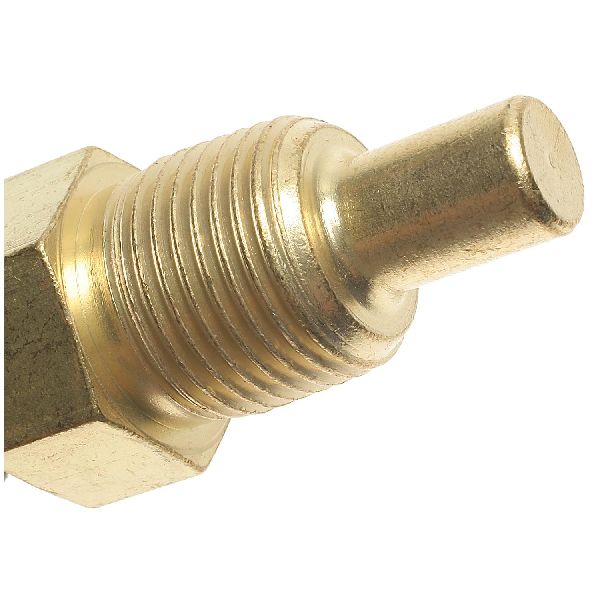
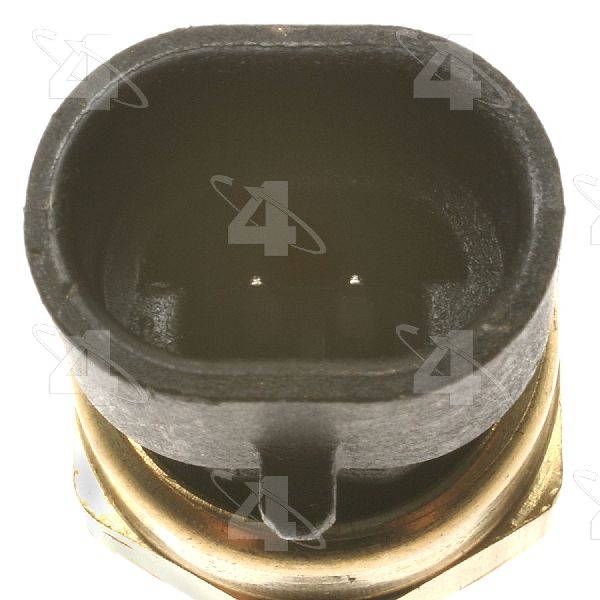
OEM Part Numbers: 10096181 213-815
Location varies by engine. LT1 (95-97) uses two sensors (one in water pump for PCM, one in cylinder head for gauge). LS1/V6 (98-02) uses a single sensor in the driver's side cylinder head for both PCM and gauge.
We Have This Part in Stock


The information in this article is provided for general reference and educational purposes only. Vehicle specifications, procedures, and part compatibility can vary by production date, trim level, and region. Always consult your vehicle's factory service manual and verify part numbers before purchasing or performing repairs. Safety-critical components such as airbags, seat belts, and braking systems should be installed by a qualified professional.
- Pontiac Firebird:
- 🎬 Helpful Videos
- 🛍️ Shop This Part
- Is Your Firebird's Engine Coolant Temp Sensor Failing?
- A Critical Difference: 1995-1997 LT1 vs. 1998-2002 LS1
- Choosing the Right Aftermarket ECT Sensor
- Tier 1: OEM/Premium Brands
- Tier 2: Reputable Aftermarket Brands
- Tier 3: Economy Brands
- Pro Tip: Check the Connector
- Typical Replacement Costs
- Frequently Asked Questions
- 🎟️ Get 5% Off