

A Guide to the Ignition Coil on Your 1995-2002 Suzuki Esteem
Solve your Esteem's rough idle and misfires by choosing the correct new aftermarket ignition coil.
- You must verify if you have the 1.8L (four coil-on-plugs) or 1.6L (two coil packs) engine before ordering parts.
- Replacement is very easy and requires only basic hand tools, making it a great DIY project.
- There are no active recalls or TSBs from Suzuki for ignition coil failure on the Esteem.
- For maximum reliability, choose a trusted brand like NGK, Hitachi, or Delphi.
Is Your Suzuki Esteem Running Rough?
A failing ignition coil is a common reason for poor engine performance as a car ages. When a coil goes bad, it can't deliver the strong spark needed for complete combustion. This often leads to a rough-running engine, poor acceleration, and a lit check engine light on your dashboard. Addressing this issue promptly can restore your car's performance and prevent potential damage to other components, like the catalytic converter.
Important: Identify Your Engine Before You Buy
The single most common mistake when ordering this part is buying for the wrong engine. The 1995-2002 Suzuki Esteem used two different ignition systems depending on the engine size. You MUST confirm which engine you have.
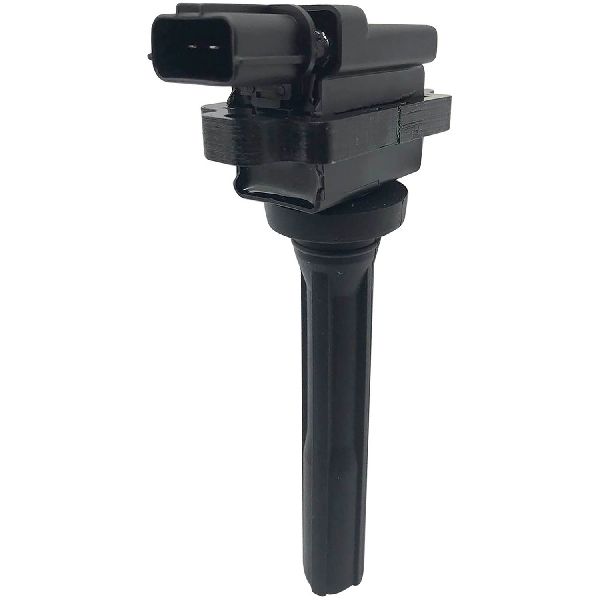
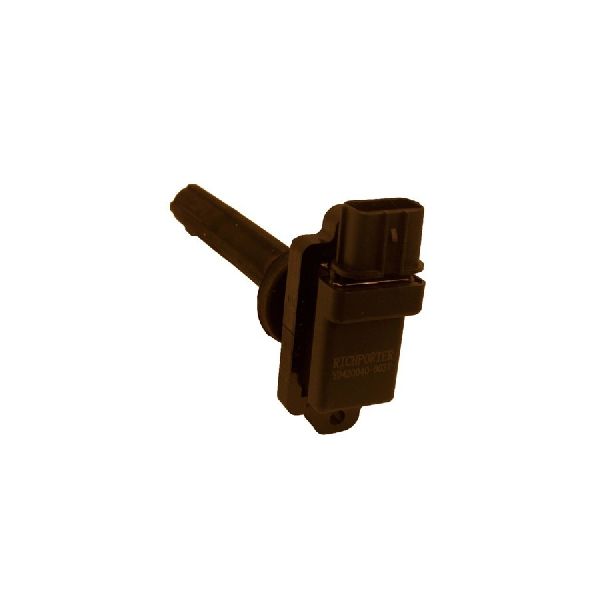
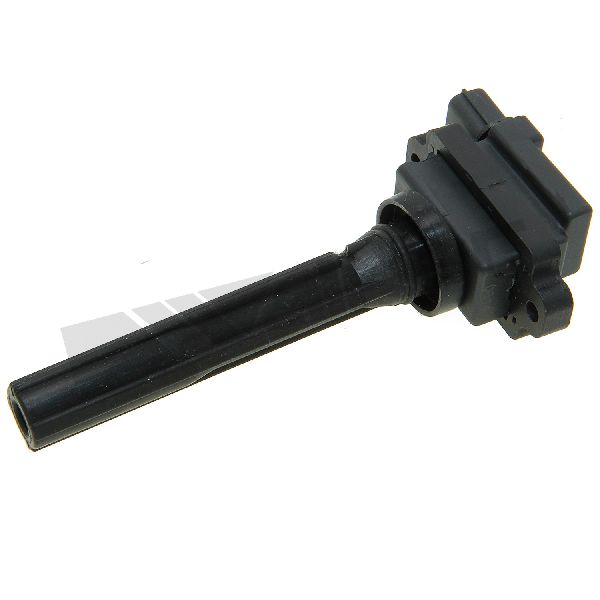
- 1.8L Engine: Uses a Coil-on-Plug (COP) system. There are four individual coils, one sitting directly on top of each spark plug.
- 1.6L Engine: Uses a Distributorless Ignition System (DIS). It has two separate coil packs that are connected to the spark plugs via short spark plug wires.
- Early Models (1995-1998): Some early 1.6L models may have a single, older-style canister coil with a distributor. It is crucial to visually inspect your engine to ensure you order the correct part.
Symptoms of a Failing Ignition Coil
The signs of a bad ignition coil are usually hard to miss. You may experience one or more of the following:
- Rough Idle: The engine may shake or vibrate noticeably when the car is stopped.
- Engine Misfires: You might feel a jerking or sputtering during acceleration. The check engine light may also flash during a severe misfire.
- Loss of Power: The car may feel sluggish and struggle to accelerate, especially going up hills.
- Check Engine Light: A steady check engine light is common. Codes like P0300 (Random Misfire) or P0301-P0304 (Cylinder-specific misfires) point to an ignition problem.
- Worse Fuel Economy: The engine burns more fuel to compensate for the inefficient combustion.
Choosing the Right Aftermarket Ignition Coil
With an older vehicle like the Esteem, a new aftermarket coil offers the best value. These parts are grouped into tiers based on a balance of quality, performance, and price.
Tier 1: OEM-Equivalent Brands
These brands are known for making original equipment for many Japanese automakers. They offer the best fit, finish, and longevity, making them a top choice for owners who want the highest reliability.
- NGK: A world leader in ignition components, NGK is a highly trusted choice for Japanese vehicles.
- Hitachi: As a major OEM supplier, Hitachi coils are built to meet or exceed original factory standards.
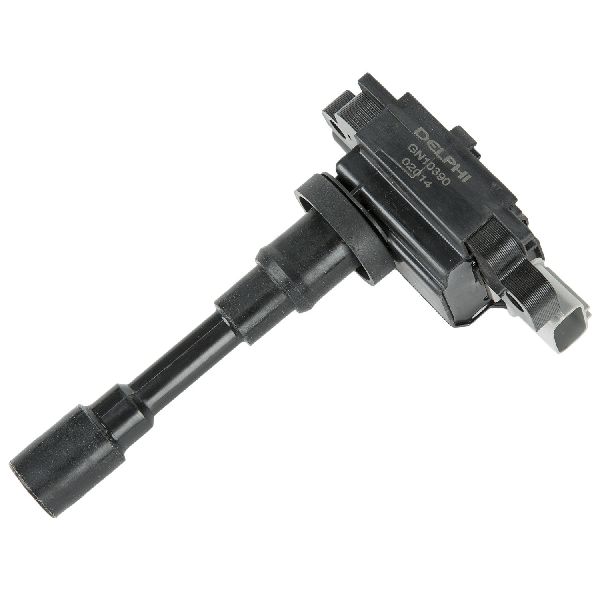
- Delphi: A global parts manufacturer with a strong reputation for quality electronics and ignition systems.
Tier 2: Quality Aftermarket Brands
These brands provide a great balance of reliable performance and affordability. They are a solid choice for a daily driver and a significant step up from basic economy parts.
- Standard Ignition (SMP): A long-standing and respected name in the aftermarket, offering dependable parts.
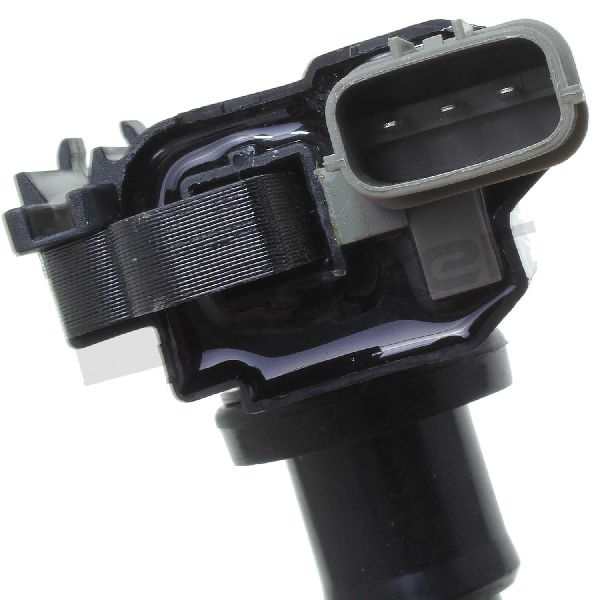
- Walker Products: Known for fuel and engine management components, offering quality replacement parts.
- Spectra: Offers a wide range of automotive parts, including reliable ignition components.
Tier 3: Economy Brands
These brands offer the lowest price point, making them a good option for a budget-focused repair to get the vehicle back on the road. While functional, their lifespan and performance consistency may not match the higher-tier brands.
- DriveWire: A budget-friendly option for essential repairs.
- Global Parts, TRQ, and other private labels: These are typically the most affordable options available.
Cost of Replacing a Suzuki Esteem Ignition Coil
| Part Type | Estimated Cost |
|---|---|
| New OEM | $120 - $250+ (per coil) |
| New Aftermarket | $17 - $177 (for a single coil or a set) |
| Shop Labor | $50 - $150 |
Known Issues, Recalls, and Service Bulletins
Searches of the National Highway Traffic Safety Administration (NHTSA) database and other sources show no specific recalls or technical service bulletins (TSBs) for the ignition coils on the 1995-2002 Suzuki Esteem. Failures are typically due to normal wear and tear from age, heat, and vibration.
Pro Tip: Check for Oil Leaks
When replacing your ignition coils, inspect the area around the spark plug tubes for oil. A leaking valve cover gasket is a common issue that can allow oil to pool around the coils and spark plugs, causing them to fail prematurely. If you see oil, it is highly recommended to replace the valve cover gasket at the same time.
Frequently Asked Questions
Is replacing the ignition coil a DIY job?
Yes, this is a very beginner-friendly job. The coils are located on top of the engine and are held in by a single 10mm bolt. The only tools required are a socket wrench and a few minutes of your time. Simply disconnect the electrical connector, unbolt the old coil, pull it straight out, and install the new one in reverse order.
How many ignition coils does my Esteem have?
It depends on your engine. The 1.8L engine has four individual coil-on-plug units. The 1.6L engine has two separate coil packs. Always verify your engine size before ordering.
Should I replace all the coils at once?
On the 1.8L engine with four coils, it's a good practice to replace them all at once. If one has failed due to age, the others are likely near the end of their service life. On the 1.6L, the two coils are often sold as a set and should be replaced together.
What causes an ignition coil to fail?
The most common cause of failure is age and heat cycles. The constant heating and cooling of the engine can cause the coil's internal windings and insulation to break down over time. Other causes include excessive vibration, moisture, and oil contamination from a leaking valve cover gasket.
Technical Specifications
OEM Part Numbers: 33400-65G00 33400-65G01 33400-65G02 33410-77E01
Varies by engine. The 1.8L uses a 3-pin Coil-on-Plug (COP) design. The 1.6L uses a 3-pin external coil pack with a high-tension output for a spark plug wire.
We Have This Part in Stock


The information in this article is provided for general reference and educational purposes only. Vehicle specifications, procedures, and part compatibility can vary by production date, trim level, and region. Always consult your vehicle's factory service manual and verify part numbers before purchasing or performing repairs. Safety-critical components such as airbags, seat belts, and braking systems should be installed by a qualified professional.
- Suzuki Esteem:
- 🛍️ Shop This Part
- Is Your Suzuki Esteem Running Rough?
- Important: Identify Your Engine Before You Buy
- Symptoms of a Failing Ignition Coil
- Choosing the Right Aftermarket Ignition Coil
- Tier 1: OEM-Equivalent Brands
- Tier 2: Quality Aftermarket Brands
- Tier 3: Economy Brands
- Cost of Replacing a Suzuki Esteem Ignition Coil
- Known Issues, Recalls, and Service Bulletins
- Pro Tip: Check for Oil Leaks
- Frequently Asked Questions
- 🎟️ Get 5% Off