

A Guide to CV Joint Boot Kits for the 1995-2002 Volkswagen Cabrio
Catching a torn CV boot early on your Cabrio can save you from a much more expensive axle replacement.
- Inspect your CV boots for tears and grease leaks at every oil change to catch problems early.
- If you only see grease but hear no noise, replacing just the boot kit is a cost-effective repair that saves the original axle.
- Once you hear a clicking noise when turning, the entire CV axle assembly needs to be replaced.
- For the most reliable repair, choose an OEM-quality brand like GKN Loebro or a trusted aftermarket brand like Febi or CRP.
Symptoms of a Failing CV Joint Boot
The signs of a bad CV boot change as the problem gets worse. It's important to catch the issue early to avoid more costly repairs.
Early Stage: Torn Boot
The very first sign of a problem is finding dark, thick grease splattered on the inside of your front wheel, on suspension parts, or inside the fender liner. This happens as the axle spins and slings the grease out of the torn boot. At this stage, there is usually no noise. You can often just replace the boot kit if you act quickly.
Late Stage: Worn CV Joint
If a torn boot is ignored, dirt and water will contaminate the joint, and the lack of grease will cause it to wear out. This leads to a rhythmic clicking or popping noise when you make sharp, low-speed turns. The noise may be louder when accelerating through a turn. In severe cases, you might feel a vibration while driving or hear a knocking sound at low speeds. Once you hear clicking, the CV joint itself is damaged and the entire axle assembly usually needs to be replaced.
Choosing the Right Aftermarket CV Boot Kit
For a part like a CV boot, the quality of the rubber or thermoplastic material is critical for a long-lasting repair. While many brands are available, they generally fall into a few quality tiers. It is often recommended to use a high-quality kit on an original German-made axle rather than replacing the whole assembly with a cheap aftermarket axle, which can sometimes cause vibration issues.
Brand Quality Tiers
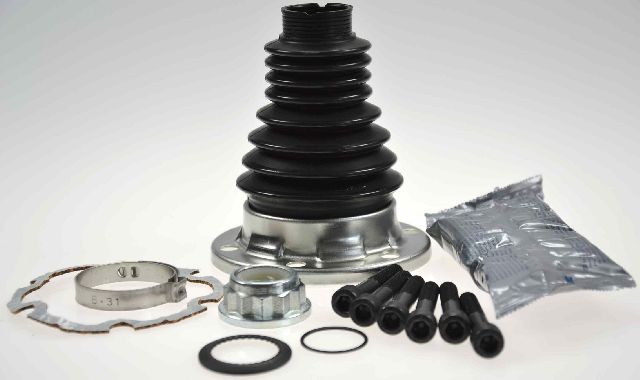
- Tier 1: OEM-Quality (GKN Loebro, CRP/Rein): GKN is a well-known original equipment manufacturer (OEM) for Volkswagen. Choosing a GKN Loebro kit is the closest you can get to buying the part from a dealer, ensuring excellent fit and material quality. CRP (Rein) is another trusted brand that provides high-quality kits meeting OEM standards.
- Tier 2: Quality Aftermarket (Febi, Vaico): Brands like Febi and Vaico are well-respected German brands that offer a great balance of quality and value. They are a solid choice for a reliable repair without the OEM price tag.
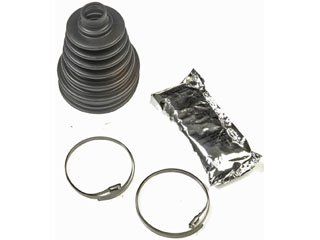
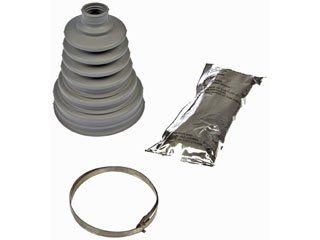
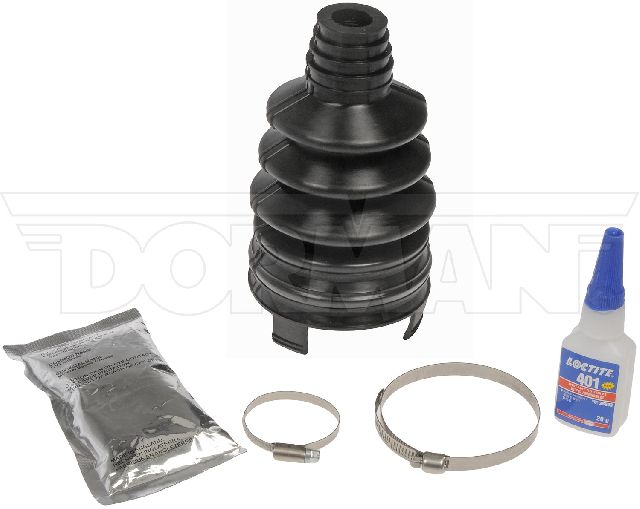
- Tier 3: Economy (Dorman, Motormite, Beck Arnley): These brands provide budget-friendly options. Dorman offers standard replacement kits as well as universal "split boot" or "stretch boot" kits that are designed for easier installation. However, many mechanics view split boots as a temporary fix that may not be as reliable as a solid, one-piece boot. Beck Arnley sources parts from various manufacturers, so quality can be consistent.
A Note on "Split Boots"
Universal split boot kits are designed to be installed without removing the axle shaft by gluing a seam together. While this seems easier, the glued seam can fail, and the universal fit may not seal perfectly, leading to leaks. For a permanent, reliable repair on your Cabrio, a vehicle-specific, solid boot is the recommended choice.
Typical Repair Costs
The cost to replace a CV boot kit can vary depending on the brand of the part and local labor rates. Replacing just the boot is much cheaper than replacing the entire CV axle, which becomes necessary if the joint is already worn and making noise.
| Part / Service | Estimated Cost |
|---|---|
| Aftermarket CV Boot Kit | $10 - $88 |
| Shop Labor (Boot Kit Only) | $180 - $350 |
| Complete Aftermarket CV Axle | $50 - $150 |
| Shop Labor (Complete Axle) | $120 - $250 |
Frequently Asked Questions (FAQ)
Can I just replace the boot, or do I need the whole axle?
If you catch the torn boot early (you see grease but hear no clicking), you can just replace the boot kit and repack the joint with fresh grease. This saves your original, high-quality VW axle. If the joint is already clicking, the damage is done, and you should replace the entire CV axle assembly.
What comes in a typical CV boot kit?
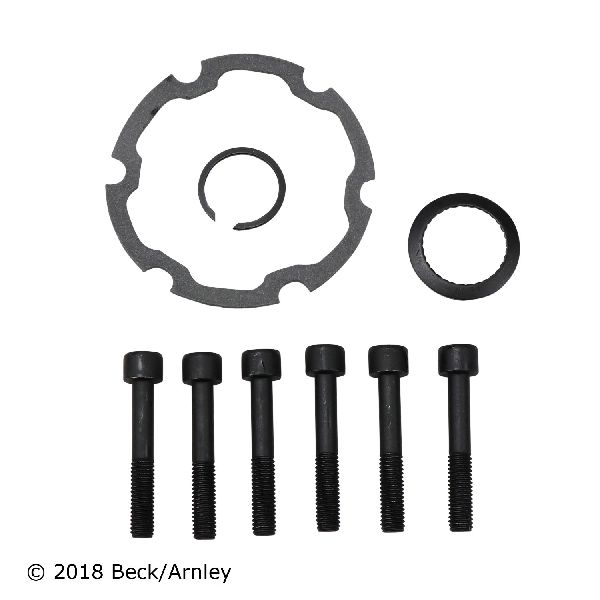
A standard CV boot kit includes the boot itself, a packet of specialized CV joint grease, and two new clamps to secure the boot to the axle and the joint.
Is there a difference between the inner and outer boot?
Yes. The outer boot is near the wheel and must handle the high angles of steering, so it flexes more and fails more often. The inner boot is near the transmission and primarily moves up and down with the suspension. They are different shapes and are not interchangeable.
Are there any recalls for the 1995-2002 Cabrio CV boots?
No recalls were found specifically for CV joint boots on the 1995-2002 Volkswagen Cabrio. Searches of the NHTSA database did not show any relevant safety recalls.
Is a squeaking noise when I turn always a bad CV joint?
Not always. A Volkswagen Technical Service Bulletin (TSB) for later models notes that the ribs of the outer CV boot can sometimes rub against each other during a full turn, especially in wet weather, causing a squeak or creak. This is considered normal and does not mean the part is failing. However, a rhythmic clicking or popping noise is a definite sign of a worn joint.
Technical Specifications
OEM Part Numbers: 1H0498203A 321498203A 1K0498203 4B0498201
CV boot kits for the 1995-2002 VW Cabrio vary based on inner vs. outer position and the specific joint diameter (e.g., 90mm or 100mm). It is crucial to verify the correct part for your vehicle's specific axle. Kits typically include a thermoplastic or rubber boot, CV grease, and two clamps.
We Have This Part in Stock


The information in this article is provided for general reference and educational purposes only. Vehicle specifications, procedures, and part compatibility can vary by production date, trim level, and region. Always consult your vehicle's factory service manual and verify part numbers before purchasing or performing repairs. Safety-critical components such as airbags, seat belts, and braking systems should be installed by a qualified professional.
- Volkswagen Cabrio: