

Acura TL Brake Caliper Guide: Replacing a Critical Part on Your 1995-2003 Model
If your Acura TL is pulling to one side or wearing out brake pads too fast, a bad caliper could be the problem.
- Sticking or seized calipers are a common issue for 1995-2003 Acura TLs, often caused by old brake fluid.
- Symptoms include pulling, rapid pad wear, and a spongy pedal; a warped rotor is a common consequence.
- For a reliable repair, consider new calipers from brands like Raybestos, Centric, or Dynamic Friction over budget remanufactured options.
- Always replace brake pads, banjo bolt washers, and bleed the system with fresh fluid when installing a new caliper.
Is Your Acura TL Brake Caliper Failing?
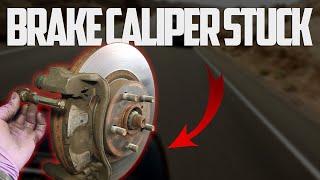
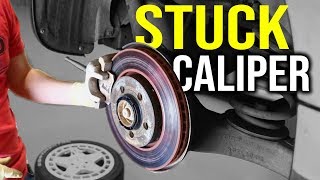
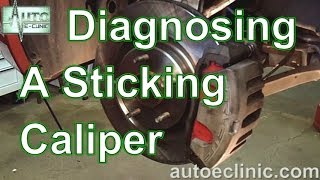
A common problem on the 1995-2003 Acura TL is a sticking or seized brake caliper. This usually happens when moisture contaminates the brake fluid over time, causing rust and corrosion inside the caliper piston bore. When a caliper sticks, it doesn't release its grip on the brake rotor after you let go of the pedal. This constant drag can cause serious problems. The ultimate test is trying to compress the caliper piston; if it won't move, it has failed.
🎬 Watch this video to see how to diagnose a stuck caliper.Key Symptoms of a Bad Caliper:
- Vehicle Pulling: The car pulls to the left or right when you brake or even while driving.
- Uneven Brake Pad Wear: The pads on one wheel will be significantly more worn down than the others.
- Spongy Brake Pedal: The pedal may feel soft or require more travel than usual to engage the brakes.
- Overheating and Smell: You might notice a burning smell or excessive heat coming from one wheel after a drive. In severe cases, you may see smoke.
- Brake Pulsation: A stuck caliper can overheat and warp the brake rotor, causing a pulsing feeling in the pedal or a shake in the steering wheel when you brake.
Check Your Slide Pins First!
Sometimes, the caliper itself is fine, but the slide pins it moves on are rusted or lack lubrication. Seized slide pins can cause the same symptoms as a bad caliper. Always inspect and lubricate the slide pins during a brake job. If the pins are free but the piston is stuck, you need a new caliper.
Choosing the Right Aftermarket Caliper for Your TL
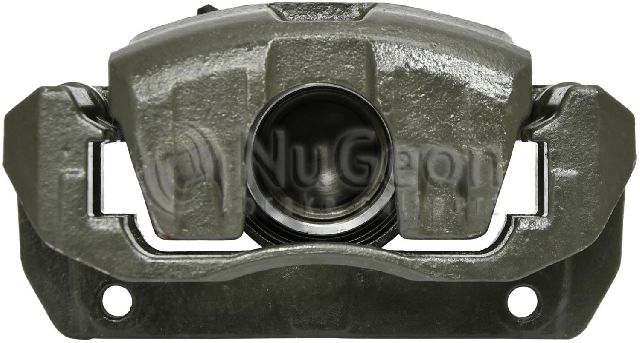
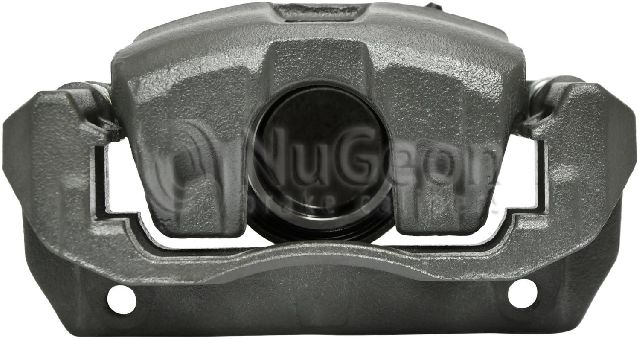
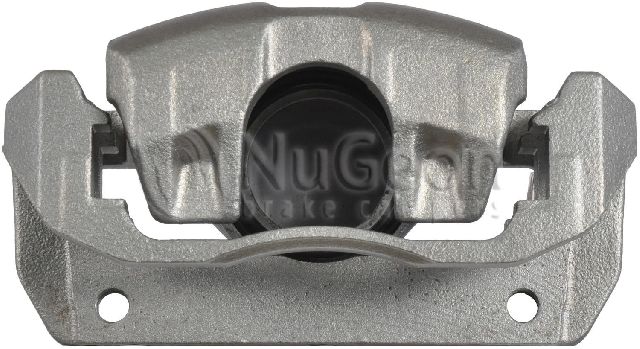
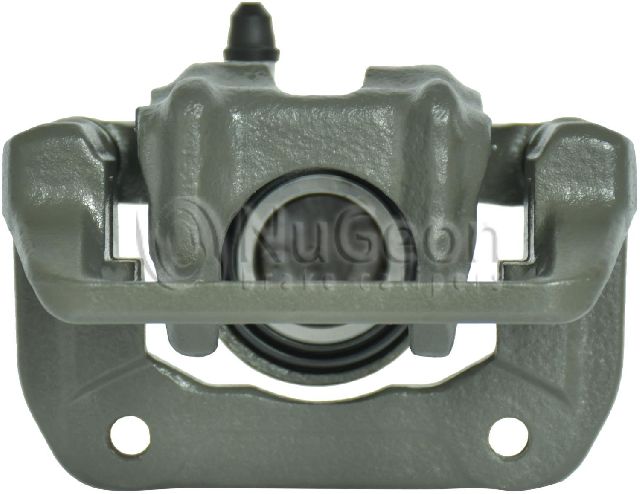
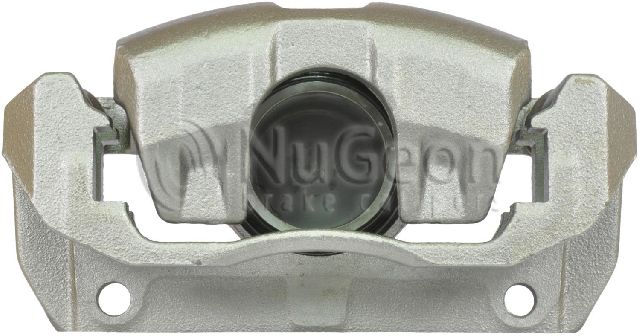
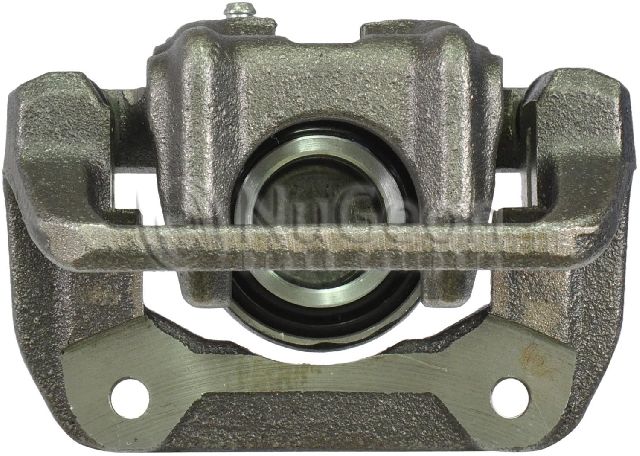
When shopping for a new aftermarket caliper, you'll find both new and remanufactured options. While remanufactured calipers can save money, their quality can be inconsistent, with some users reporting issues with brands like Cardone and BBB Industries (Nugeon). For a more reliable repair, a new caliper is often the better choice.
Aftermarket Brand Tiers
Performance & Premium OE-Replacement:
- Powerstop: A popular choice for those looking for an upgrade. They often come in performance kits with pads and rotors and feature a powder-coated finish for corrosion resistance.
- Raybestos & Centric: These brands are well-regarded for providing quality that meets or exceeds original equipment standards. Raybestos, in particular, offers new calipers that are a dependable alternative to remanufactured units.
Solid Value (New):
- Dynamic Friction: This brand offers new calipers that compete in price with remanufactured options. They are considered a legitimate and reliable choice for daily driving, providing good quality for the cost. 🎬 See this step-by-step guide for replacing and bleeding your TL calipers.
Economy (Remanufactured):
- Cardone & BBB Industries: These are widely available remanufactured calipers and are often the most budget-friendly. However, quality can be a gamble. Forum discussions reveal mixed experiences, with some users reporting premature failures, leaks, or receiving parts with stripped threads or incorrect components.
Many aftermarket calipers are "friction-ready," meaning they do not include brake pads. This allows you to choose the brake pad compound that best fits your driving style.
Typical Replacement Costs for a 1995-2003 Acura TL
Costs can vary based on the brand you choose and local labor rates. Here are some general estimates.
| Part Type | Estimated Cost (Per Caliper) |
|---|---|
| New Aftermarket Caliper | $57 - $374 |
| Remanufactured Aftermarket Caliper | $57 - $150 |
| New OEM Caliper | $250 - $450 |
| Shop Labor | $100 - $200 |
Frequently Asked Questions
Should I replace brake calipers in pairs?
While not always required, it is highly recommended. Calipers wear out over time. Replacing them in pairs (both front or both rear) ensures even braking performance and prevents the car from pulling to the side with the newer, more efficient caliper.
What is a "core charge"?
A core charge is a deposit you pay when buying a remanufactured part. You get this deposit back when you return your old caliper. This encourages recycling of the old part, which is used by the manufacturer to rebuild for a future customer. New calipers do not have a core charge.
What else should I replace with my caliper?
When replacing a caliper, you should always install new brake pads and at least inspect the brake rotor. If a seized caliper caused overheating, the rotor is likely warped and should be replaced. It is also mandatory to replace the two small copper washers for the brake line's banjo bolt and to bleed the brake system with fresh DOT 3 brake fluid.
🎬 Watch a DIY walkthrough on how to flush and bleed brakes.Were there any recalls on the 1995-2003 TL calipers?
No. Searches of the National Highway Traffic Safety Administration (NHTSA) database did not show any recalls specifically for the brake calipers on the 1995-2003 Acura TL. Recent recalls for other Acura models relate to the brake pedal assembly and do not apply to this generation.
Helpful Videos
Technical Specifications
OEM Part Numbers: 43019-S0K-A01RM 06433-S0K-505RM 45018-SJC-A01
Brake system requires DOT 3 brake fluid. Calipers are typically single-piston floating designs. Always use new copper crush washers for the banjo bolt during installation.
We Have This Part in Stock

The information in this article is provided for general reference and educational purposes only. Vehicle specifications, procedures, and part compatibility can vary by production date, trim level, and region. Always consult your vehicle's factory service manual and verify part numbers before purchasing or performing repairs. Safety-critical components such as airbags, seat belts, and braking systems should be installed by a qualified professional.
- Acura TL:
- 🎬 Helpful Videos
- 🛍️ Shop This Part
- Is Your Acura TL Brake Caliper Failing?
- Key Symptoms of a Bad Caliper:
- Check Your Slide Pins First!
- Choosing the Right Aftermarket Caliper for Your TL
- Aftermarket Brand Tiers
- Typical Replacement Costs for a 1995-2003 Acura TL
- Frequently Asked Questions
- 🎟️ Get 5% Off