

Acura TL Engine Timing Belt Replacement Guide (1995-2003)
Everything Acura TL owners need to know about replacing their engine's timing belt and avoiding catastrophic engine failure.
- All 1995-2003 Acura TL engines are interference engines; a broken timing belt will cause catastrophic engine damage.
- Always replace the timing belt, water pump, hydraulic tensioner, and idler pulley together as a complete kit.
- The replacement interval is mileage or time-based (typically 105,000 miles or 7 years for 1999-2003 models); do not ignore the time limit.
- Choose a kit from an OEM supplier like Gates, Mitsuboshi, or Aisin for the best reliability.
Understanding Your Acura TL's Engine: Two Generations

The 1995-2003 Acura TL was built with two different generations of engines, which affects which timing belt you need. It is crucial to identify your specific engine before purchasing parts.
- First Generation (1995-1998): These models came with two possible engines: a 2.5L inline 5-cylinder (G25A) or a 3.2L V6 (C32A6). These engines were mounted longitudinally (front to back).
- Second Generation (1999-2003): These models exclusively used a new, transversely mounted 3.2L V6 engine (J32A). This engine was shared with other popular Honda and Acura models.
Because the engines are different, the timing belts and related components are not interchangeable. Always confirm your vehicle's year and engine type before ordering.
Symptoms of a Failing Timing Belt

A timing belt can fail without warning, but sometimes it provides clues. If you notice any of these signs, stop driving the vehicle immediately and have it inspected.
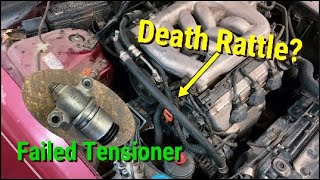
- Ticking or Rattling Noises: A worn belt or a failing tensioner can cause a ticking or rattling sound from the front of the engine.
- Engine Won't Start: If the belt has snapped, the engine will crank but will not start. You will not hear the engine try to catch.
- Check Engine Light: The engine's computer can detect if the camshaft and crankshaft are out of sync, which will trigger a check engine light.
- Rough Idle or Misfires: A stretched or slipped belt can throw off engine timing, leading to poor performance and misfires.
The Importance of a Complete Kit
When replacing your timing belt, it is critical to replace all related components at the same time. A complete timing belt kit should include the belt, a new hydraulic tensioner, an idler pulley, and a water pump. The water pump is driven by the timing belt, and the labor to access it is the same. The hydraulic tensioner is a known failure point on the J-series V6 engine 🎬 Watch how a failed hydraulic tensioner sounds and behaves.; a failed tensioner will cause a new belt to fail. Replacing everything at once is the most reliable and cost-effective repair.
Choosing the Right Aftermarket Timing Belt

The quality of aftermarket timing belt kits can be excellent, with some brands being the original equipment manufacturer (OEM) for Acura.
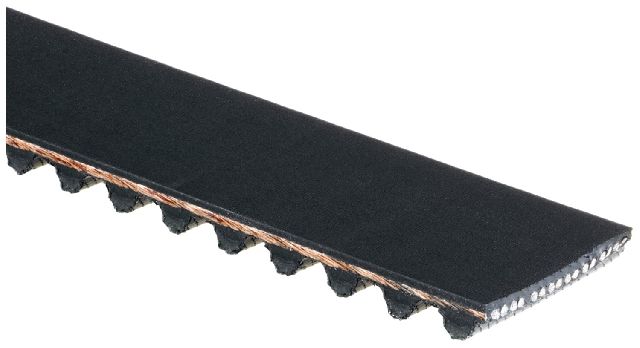
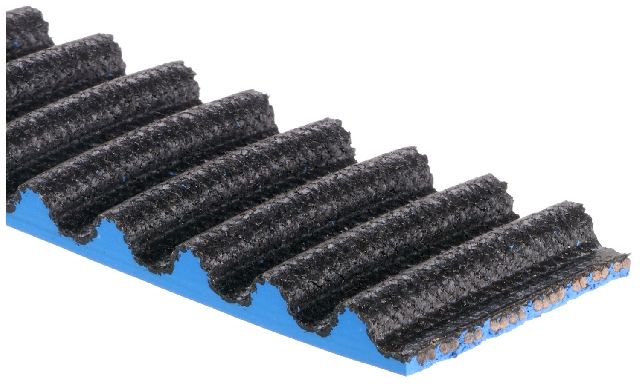
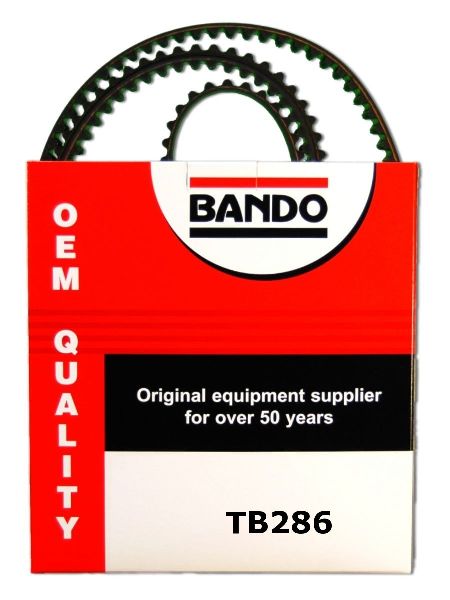
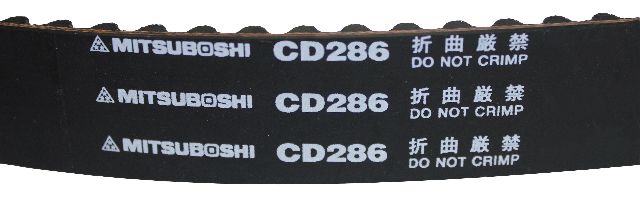
- OEM-Level Brands (Best Quality): Brands like Gates, Mitsuboshi, and Bando are known to be OEM suppliers for Honda/Acura. An Aisin kit is also a top-tier choice, often including a Mitsuboshi belt and Koyo bearings. These kits provide the highest level of quality and peace of mind.
- Reputable Aftermarket Brands (Good Quality): Continental and Dayco offer reliable timing belt kits that meet or exceed OEM specifications. They are a solid choice for a quality repair at a slightly lower price point.
- Value Brands: While brands like Cloyes are well-known for timing chains, their reputation for timing belts on Acura vehicles is less established among enthusiasts. For a critical part like this, sticking with an OEM-level or reputable aftermarket brand is strongly recommended.
Pro Tip: Check the Replacement Interval
The recommended replacement interval for the 1999-2003 TL is typically every 105,000 miles or 7 years, whichever comes first. For the 1995-1998 models, the interval is generally 90,000 miles or 6 years. Age can degrade the rubber belt just as much as mileage, so do not delay replacement even on a low-mileage car.
Known Issues, Recalls, and TSBs

There was a recall (NHTSA #02V226) for some 2002-2003 Acura TL models. It concerned a misaligned timing belt tensioner pulley on the water pump that could cause the belt to be damaged and fail. This highlights the importance of using quality, correctly manufactured components during replacement. Additionally, Technical Service Bulletins (TSBs) have been issued for chirping noises from the timing belt area, often resolved by replacing the belt and related hardware.
| Item | Estimated Cost |
|---|---|
| New Aftermarket Kit | $100 - $250 |
| Shop Labor | $561 - $1008 |
| Total Professional Replacement | $1,138 - $1,770 |
Note: Costs for 1995-1998 models may be slightly lower due to a different engine design. Prices are estimates and can vary by location and shop.
Frequently Asked Questions
Is my Acura TL's engine an interference engine?
Yes, all engines offered in the 1995-2003 Acura TL are interference engines. This means if the timing belt breaks, the pistons will hit the valves, causing catastrophic and very expensive engine damage. This is why on-time replacement is not optional.
Do I really need to replace the water pump and tensioner with the belt?
Yes, absolutely. The hydraulic tensioner and water pump have a similar service life to the belt itself. The vast majority of the replacement cost is labor. A failed water pump bearing or tensioner will destroy your new timing belt and your engine. Replacing them as a kit is the only way to ensure a reliable, long-lasting repair.
What is the difference between a timing belt and a serpentine belt?
The timing belt is located inside the engine under covers and synchronizes the crankshaft and camshafts. The serpentine belt (or drive belts) is visible on the outside of the engine and powers accessories like the alternator, power steering pump, and A/C compressor.
Can I replace the Acura TL timing belt myself?
This is an advanced, labor-intensive job. It requires special tools, including a way to hold the crank pulley and properly tension the new belt. While possible for a very experienced home mechanic, it is not recommended for beginners. An error during installation can lead to complete engine failure.
Helpful Videos
Technical Specifications
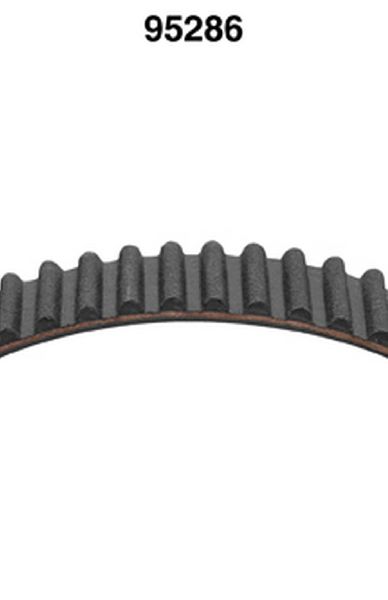
OEM Part Numbers: 14400-RCA-A01
Vehicle and engine specific. First Generation (1995-1998) uses parts for the G25A or C32A6 engine. Second Generation (1999-2003) uses parts for the J32A engine. Parts are not interchangeable.
We Have This Part in Stock

The information in this article is provided for general reference and educational purposes only. Vehicle specifications, procedures, and part compatibility can vary by production date, trim level, and region. Always consult your vehicle's factory service manual and verify part numbers before purchasing or performing repairs. Safety-critical components such as airbags, seat belts, and braking systems should be installed by a qualified professional.
- Acura TL:
- 🎬 Helpful Videos
- 🛍️ Shop This Part
- Understanding Your Acura TL's Engine: Two Generations
- Symptoms of a Failing Timing Belt
- The Importance of a Complete Kit
- Choosing the Right Aftermarket Timing Belt
- Pro Tip: Check the Replacement Interval
- Known Issues, Recalls, and TSBs
- Frequently Asked Questions
- 🎟️ Get 5% Off