

Engine Coolant Temperature Sensor Guide for 1995-2003 Chevrolet Camaro
A complete guide to understanding, diagnosing, and replacing the Engine Coolant Temperature Sensor on your fourth-generation Camaro.
- Your 1995-2003 Camaro has two coolant sensors; one for the computer (ECT) and one for the dash gauge. Know which one is failing.
- A bad ECT sensor causes poor fuel economy, rough running, and can lead to overheating.
- For best results, choose an OEM-quality brand like ACDelco or Delphi, especially for the critical 1998 three-wire sensor.
- Replacement is an easy DIY job, but be ready to swap the new sensor in quickly to minimize coolant loss.
Understanding the Two Coolant Sensors in Your Camaro

A common point of confusion for 1995-2003 Camaro owners is that these cars have two separate sensors for engine temperature. It's important to know which one you are dealing with.
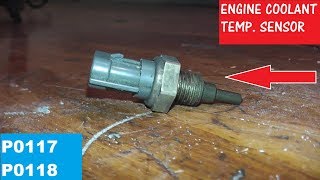
- Engine Coolant Temperature (ECT) Sensor: This two-wire sensor (three-wire on 1998 models) sends information to the engine's computer (PCM). It affects engine performance, fuel delivery, and when the cooling fans turn on. This is the sensor this guide focuses on.
- Coolant Temperature Sender/Switch: This is a single-wire unit that only operates the temperature gauge on your dashboard. A failure of this part will not affect how the engine runs, but it will give you an incorrect reading on the gauge.
Symptoms of a Failing ECT Sensor

When the ECT sensor fails, it sends incorrect information to the PCM, which can lead to a variety of noticeable problems. The computer may think the engine is cold when it's hot, or vice-versa, causing it to make poor decisions.
- Check Engine Light: A failing sensor will often trigger the "Service Engine Soon" light and store diagnostic trouble codes like P0117 (low input) or P0118 (high input). 🎬 See how to troubleshoot and fix a P0118 code
- Poor Fuel Economy: If the sensor incorrectly tells the PCM the engine is cold, the computer will enrich the fuel mixture, causing the car to use more gas than necessary.
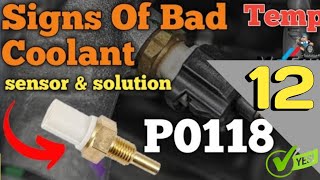
- Black Smoke from Exhaust: A rich fuel mixture from a bad sensor reading can result in unburned fuel exiting through the exhaust, creating black smoke. 🎬 Watch: Common signs and symptoms of a bad sensor
- Engine Overheating or Fans Always On: The PCM controls the cooling fans based on the ECT sensor's reading. A bad signal can cause the fans to not turn on when needed, leading to overheating. Conversely, a fault can trigger a failsafe mode where the fans run constantly as a precaution.
- Rough Idle and Hard Starting: The engine may idle erratically or be difficult to start, especially when warm, because the fuel mixture and idle speed are incorrect.
Choosing the Right Aftermarket Sensor

For a critical sensor like the ECT, quality matters. While many aftermarket options are available, they are not all created equal. Sticking with brands known for their electronic components is a safe bet for your Camaro.
A Note on 1998 Models
The 1998 Camaro LS1 uses a unique three-wire ECT sensor that provides a signal to both the PCM and the dash gauge in a single unit. Later models (1999-2002) use a two-wire sensor for the PCM and a separate sender for the gauge. Be sure to order the correct part for your specific year.
Tier 1: OEM & Premium Aftermarket
These brands are either the original equipment manufacturer or are known for producing parts that meet or exceed OEM specifications. For maximum reliability and peace of mind, these are your best choices.
- ACDelco: As the genuine GM parts brand, ACDelco is the original equipment for your Camaro. Choosing ACDelco ensures you are getting the part your car was designed with, though some forum users have noted that even these parts can have manufacturing variations.
- Delphi: Delphi was a major OEM supplier for General Motors for many years and is widely considered to be of equivalent quality to ACDelco for sensors and electronics.
Tier 2: Reputable Aftermarket Brands
These companies have a long-standing reputation for producing reliable aftermarket parts. They offer a good balance of quality and value.
- NGK/NTK: While famous for spark plugs, NTK (the sensor division of NGK) is a highly respected manufacturer of engine management sensors.
- Standard Motor Products (SMP): A well-known and trusted brand in the aftermarket, often recommended on forums as a reliable alternative to OEM.
- Hella: A German company with a strong reputation for quality electronics and sensors.
Tier 3: Value-Oriented Brands
These brands provide a budget-friendly option. While they can be a good choice for a less critical repair, for a sensor that directly impacts engine performance and cooling, it's often worth spending a little more for a Tier 1 or Tier 2 part. Some owners report premature failure with cheaper, unbranded sensors.
- Beck Arnley
- Four Seasons
- Walker Products
Common Ordering Mistake
Be careful not to confuse the ECT sensor with the Coolant Level Sensor. The level sensor is located in the side of the radiator and triggers the "Low Coolant" light on the dash. It does not affect engine performance. The ECT sensor is located directly on the engine.
Cost of Replacing an Engine Coolant Temperature Sensor

| Part Type | Estimated Cost |
|---|---|
| New Aftermarket | $12 - $51 |
| New OEM (ACDelco) | $25 - $60 |
| Shop Labor | $50 - $100 |
Frequently Asked Questions (FAQ)
Where is the ECT sensor located on my 1995-2003 Camaro?
The location depends on your engine. For LS1 V8 (1998-2002) engines, the ECT sensor is on the front of the driver's side cylinder head, below the exhaust manifold and just above the #1 spark plug. For 3.8L V6 (1995-2002) engines, the ECT sensor is typically located near the thermostat housing.
🎬 Watch this step-by-step replacement guide for the 3.8L V6Can I replace the ECT sensor myself?
Yes, this is a very DIY-friendly job for most home mechanics. It requires basic hand tools, like a deep socket or wrench (often 19mm). The key is to have the new sensor ready to install quickly, as coolant will leak out of the port once the old sensor is removed. It's best to perform the replacement on a cold engine to avoid burns and minimize coolant loss.
Should I use thread sealant on the new sensor?
No, do not use Teflon tape or liquid sealant on the threads unless it comes pre-applied from the manufacturer. The sensor needs to make good contact with the cylinder head or housing to ground properly and read the temperature accurately. Most new sensors come with a pre-applied sealant on the threads.
What happens if I don't replace a bad ECT sensor?
Continuing to drive with a faulty ECT sensor can lead to several problems. You will likely experience poor fuel economy, sluggish performance, and could fail an emissions test. More seriously, you risk the engine overheating if the fans don't turn on, which can cause severe and expensive engine damage.
Helpful Videos

Technical Specifications
OEM Part Numbers: 12551708 10096181 12608814 19236568
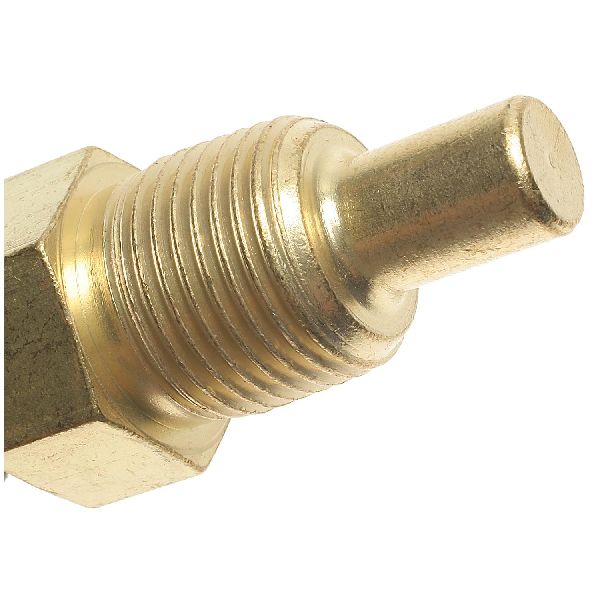
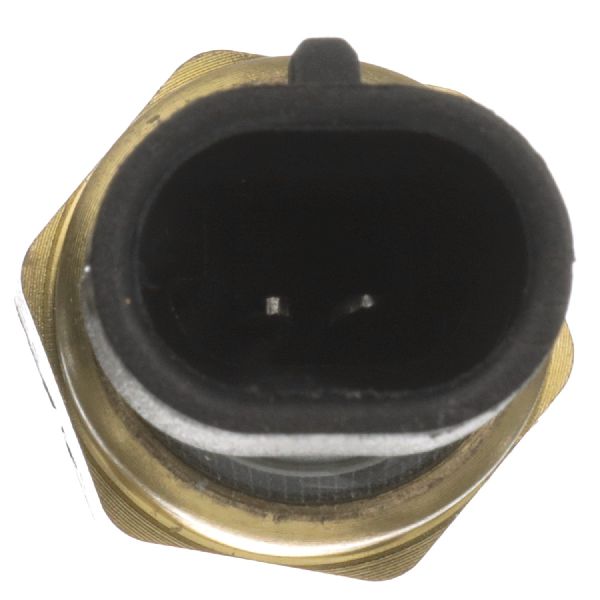
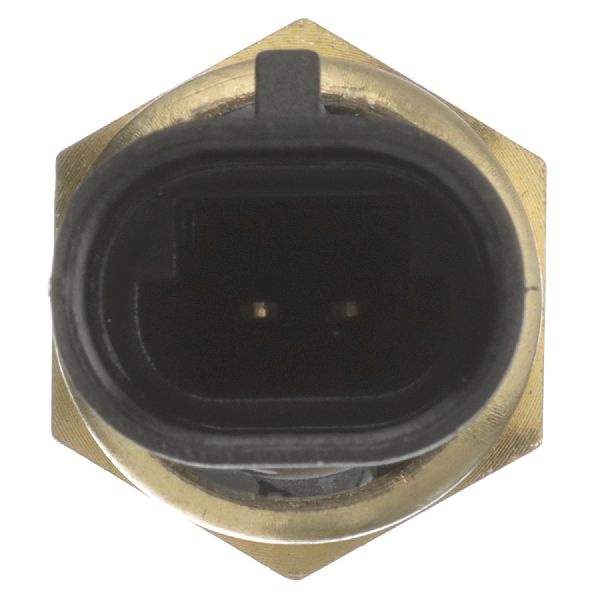
Thread size and connector type vary by year and engine. 1998 LS1 models use a 3-wire connector, while 1999-2002 LS1 models use a 2-wire connector. V6 models also use a 2-wire sensor. The sensor for LS1 engines typically has M12-1.5 threads.
We Have This Part in Stock


The information in this article is provided for general reference and educational purposes only. Vehicle specifications, procedures, and part compatibility can vary by production date, trim level, and region. Always consult your vehicle's factory service manual and verify part numbers before purchasing or performing repairs. Safety-critical components such as airbags, seat belts, and braking systems should be installed by a qualified professional.
- Chevrolet Camaro:
- 🎬 Helpful Videos
- 🛍️ Shop This Part
- Understanding the Two Coolant Sensors in Your Camaro
- Symptoms of a Failing ECT Sensor
- Choosing the Right Aftermarket Sensor
- A Note on 1998 Models
- Tier 1: OEM & Premium Aftermarket
- Tier 2: Reputable Aftermarket Brands
- Tier 3: Value-Oriented Brands
- Common Ordering Mistake
- Cost of Replacing an Engine Coolant Temperature Sensor
- Frequently Asked Questions (FAQ)
- 🎟️ Get 5% Off