

Ford Ranger Front Disc Brake Pad Guide: 1995-2003
Get the right stopping power for your Ranger by choosing the best brake pads for your needs.
- For most 1995-2003 Ranger owners, a quality ceramic or semi-metallic pad from a brand like Bosch, Wagner, or Raybestos offers the best balance of performance and value.
- If you tow, haul, or have larger tires, consider upgrading to a semi-metallic or carbon-fiber ceramic truck-specific pad from a brand like Powerstop or EBC for better heat management.
- Brake pad replacement is a straightforward DIY job on this truck, but always inspect your rotors and replace them if they are worn, grooved, or warped.
- Check for the important NHTSA recall regarding the speed control deactivation switch, as it can be a fire hazard.
Signs Your Ranger's Brake Pads Are Worn Out

Your truck will usually tell you when it's time for new brake pads. Ignoring these signs can lead to more expensive repairs, like needing to replace brake rotors and calipers. Be aware of these common symptoms:
- Squealing or Screeching Noises: Most brake pads have a small metal tab called a wear indicator. When the pads are thin, this tab scrapes against the rotor, making a high-pitched noise when you brake.
- Grinding Sounds: If you hear a grinding or growling sound, it's a serious issue. This often means the brake pad material is completely gone, and the metal backing plate is grinding against the rotor. Stop driving and get this checked immediately.
- Longer Stopping Distances: If your truck takes longer to stop than it used to, your brake pads may be worn out or contaminated.
- Vibration or Pulsing in the Pedal: While this can also be a sign of warped rotors, worn pads can cause uneven contact and a pulsing sensation in the brake pedal.
- Brake Warning Light: If the brake warning light on your dashboard comes on, get your entire brake system inspected by a professional.
Known Issues: Brake Line Rust and Recalls
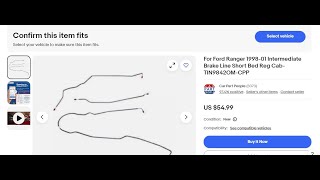
Owners of this generation of Ranger should be aware of potential brake line rust, which can lead to a sudden loss of brakes. Additionally, a major recall (NHTSA Campaign #09V399000) was issued for a faulty speed control deactivation switch that could leak brake fluid and cause a fire, even when the truck is off. It is crucial to verify with a dealer or through the NHTSA website that this recall has been performed on your vehicle.
Choosing the Right Aftermarket Brake Pads for Your Ranger

The original Motorcraft pads on the Ranger were designed to be a good all-around option, but the aftermarket offers a wide variety of choices that can be better suited to your specific use. The main choice you'll make is the friction material.
Brake Pad Materials:
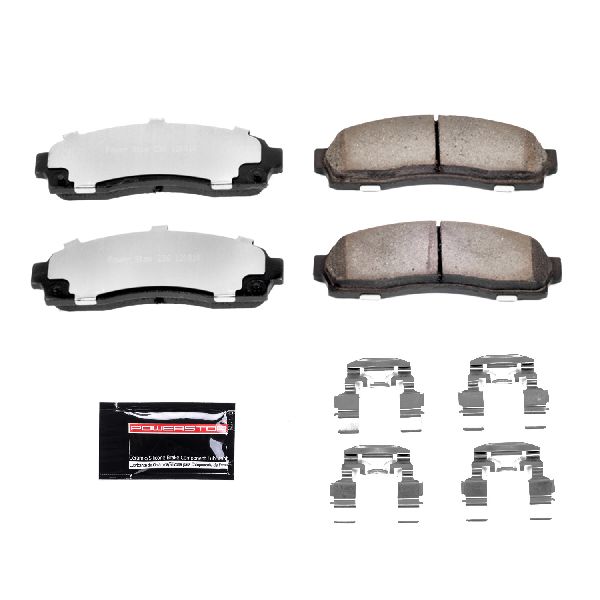
- Semi-Metallic: These pads are great for a truck like the Ranger, especially if you tow, haul heavy loads, or do a lot of off-roading. They handle heat well and provide strong stopping power. The trade-offs are that they can be noisier and produce more brake dust than other types. Many owners consider brands like EBC, Powerstop, and Bendix for this category.
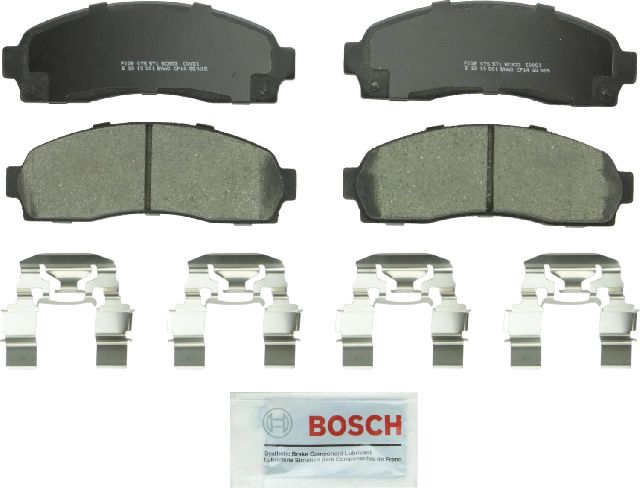
- Ceramic: For daily driving and commuting, ceramic pads are an excellent choice. They are known for being very quiet, producing very little dust, and being gentle on your brake rotors. While they offer consistent performance, they may not be the best choice for heavy-duty use as they don't manage extreme heat as well as semi-metallic pads. Popular brands include Bosch QuietCast, Wagner ThermoQuiet, and Akebono.
- Organic (NAO): These are often the cheapest option and provide a soft pedal feel, but they wear out the fastest and are not typically recommended for the front brakes of a truck.
Pro Tip: Consider Your Rotors
When replacing your brake pads, always inspect your brake rotors. If they have deep grooves, a noticeable lip on the edge, or show signs of heat-related discoloration or cracking, they should be replaced. Putting new pads on old, worn rotors will reduce braking performance and wear out your new pads much faster.
Brand Tiers for Your Ford Ranger

With so many brands available, it can be tough to choose. Here’s a breakdown to help you decide:
- Premium (Performance/Heavy Duty): Brands like EBC Brakes, Brembo, Powerstop (Z36 Truck & Tow), and Hawk fall into this category. They are designed for superior stopping power, heat management, and durability, making them ideal for Rangers that are used for towing, hauling, or have oversized tires.
- Daily Driver (OEM-Quality): This is the sweet spot for most Ranger owners. Brands like Motorcraft (the OEM supplier), Akebono, Bosch, Wagner, and Raybestos offer excellent performance that meets or exceeds original factory standards. They provide a great balance of quiet operation, low dust, and reliable stopping power for everyday use.
- Value: Brands like Centric (C-Tek), Dynamic Friction, and Pronto offer a budget-friendly option. These pads are functional for basic transportation but may not offer the same longevity, quietness, or performance as higher-tiered brands.
| Tier | Price Range | Best For |
|---|---|---|
| Value | $20 - $45 | Basic commuting, budget-conscious repairs |
| Daily Driver | $45 - $85 | Most Ranger owners, daily driving, light hauling |
| Premium | $85 - $300+ | Towing, heavy hauling, off-roading, performance enthusiasts |
Frequently Asked Questions
Do I have to replace my rotors with my pads?
Not always, but it's highly recommended. You should at least have the rotors inspected for thickness and runout (warping). If you're upgrading to a performance pad, pairing them with new rotors is the best way to ensure you get the performance you're paying for. Never install new pads on rotors that are below their minimum thickness specification.
What's the difference between ceramic and semi-metallic pads for my Ranger?
Semi-metallic pads are better for heavy-duty use like towing because they dissipate heat well, but they can be noisy and dusty. Ceramic pads are quieter, produce less dust, and are great for daily driving, but they may not perform as well under extreme, heavy-braking situations.
What is 'bedding in' new brake pads?
Bedding-in is a process of a few hard stops from moderate speed to transfer a thin, even layer of friction material from the new pads onto the brake rotor. This process is critical for optimal braking performance, preventing noise, and ensuring a long service life. Always follow the specific bed-in procedure recommended by the brake pad manufacturer.
Is it difficult to change the brake pads on a 1995-2003 Ranger?
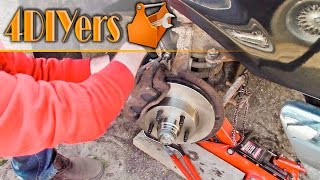
No, this is a very common and relatively easy DIY job for someone with basic mechanical skills and the right tools. The job involves removing the wheel, unbolting the brake caliper, compressing the caliper piston, swapping the pads, and reassembling. There are many video tutorials available online that walk through the process step-by-step.
Helpful Videos
Technical Specifications
OEM Part Numbers: F87Z-2001-AA BRF-1874
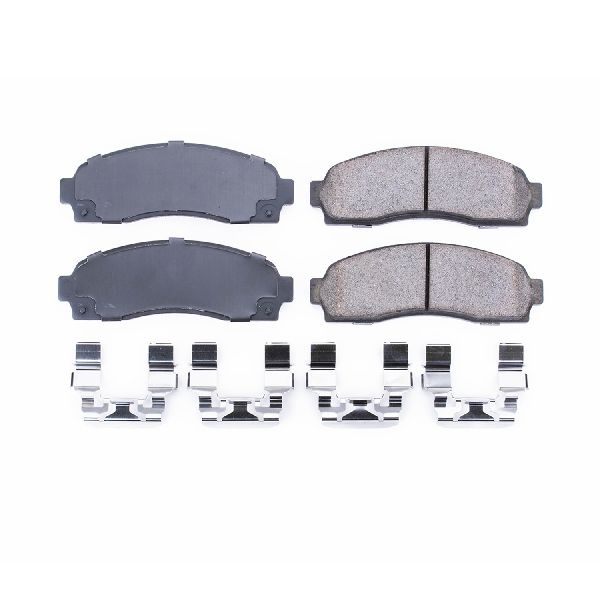
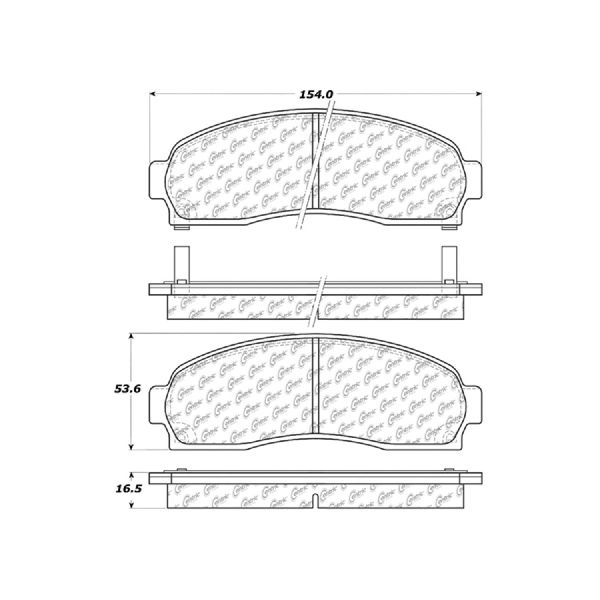
This generation of Ford Ranger uses a floating caliper front disc brake system. The specific pad shape (FMSI No. D652) is consistent across most models from 1995-2003, but always verify fitment for your specific vehicle configuration (2WD vs 4WD) as minor differences can exist.
We Have This Part in Stock

The information in this article is provided for general reference and educational purposes only. Vehicle specifications, procedures, and part compatibility can vary by production date, trim level, and region. Always consult your vehicle's factory service manual and verify part numbers before purchasing or performing repairs. Safety-critical components such as airbags, seat belts, and braking systems should be installed by a qualified professional.
- Ford Ranger:
- 🎬 Helpful Videos
- 🛍️ Shop This Part
- Signs Your Ranger's Brake Pads Are Worn Out
- Known Issues: Brake Line Rust and Recalls
- Choosing the Right Aftermarket Brake Pads for Your Ranger
- Brake Pad Materials:
- Pro Tip: Consider Your Rotors
- Brand Tiers for Your Ford Ranger
- Frequently Asked Questions
- 🎟️ Get 5% Off