

Ford Ranger Front Disc Brake Rotor Set Guide (1995-2003)
Stop the shaking and grinding—here's how to choose the right new brake rotors for your Ranger.
- The single most important step is to identify if your Ranger has one-piece hub/rotor assemblies (common on 2WD) or separate slide-on rotors (common on 4WD) before ordering.
- Always replace your brake pads at the same time as your rotors to ensure proper break-in and prevent damage to the new rotors.
- Rotor warping is a common issue; prevent it by using quality parts and ensuring your lug nuts are tightened to the correct torque specification with a torque wrench.
- For most owners, a quality daily driver rotor from a brand like Dynamic Friction is sufficient; for heavy towing, consider an upgrade to a Powerstop kit.
Signs Your Ranger's Rotors Are Failing


Your truck will give you clear signs when the brake rotors need attention. Ignoring them can lead to more expensive repairs and unsafe driving conditions. The most common problem reported by Ranger owners is a vibration or pulsation felt in the brake pedal or steering wheel when braking. This almost always points to a "warped" rotor, meaning its surface is no longer perfectly flat.
- Vibration or Pulsing: A shaky feeling in the steering wheel or brake pedal when you apply the brakes. This is the number one sign of warped rotors.
- Grinding or Scraping Noises: If you hear a harsh grinding sound, it often means the brake pads are completely worn away, and the metal backing plate is digging into and destroying the rotor. Stop driving immediately and get this inspected.
- Squealing Sounds: A high-pitched squeal usually means the brake pads are thin, but if the rotors are heavily grooved or have a large lip on the edge, they will need to be replaced along with the pads.
- Visible Damage: Look at the rotor's surface. Deep grooves, scoring, a noticeable lip on the outer edge, or visible heat cracks are all signs they need to be replaced.
CRITICAL FITMENT WARNING: Hub/Rotor Assembly vs. Slide-On Rotor
Before you buy any parts, you MUST know what kind of front rotors your Ranger has. This is the most common mistake owners make. There are two types, and they are not interchangeable:
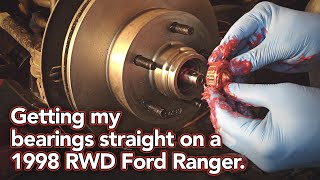
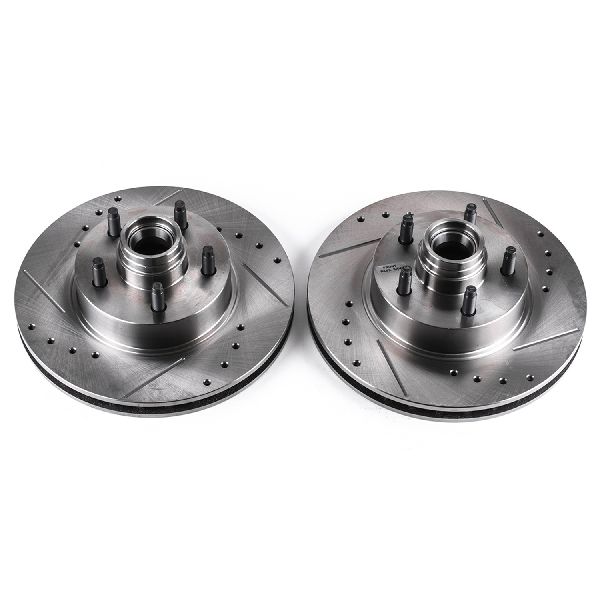
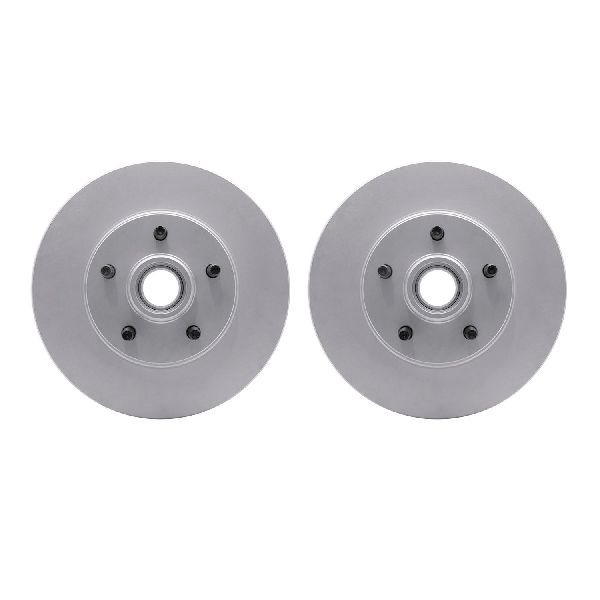
- Hub/Rotor Assembly: Many 1995-2003 2WD Rangers use a one-piece design where the rotor and the wheel hub (which holds the bearings) are a single unit. Replacing this type is a more involved job because you must also service the wheel bearings. 🎬 Watch: 2WD front brake and wheel bearing service guide
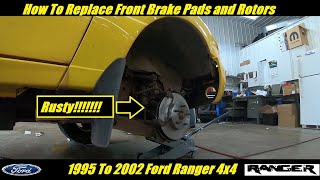
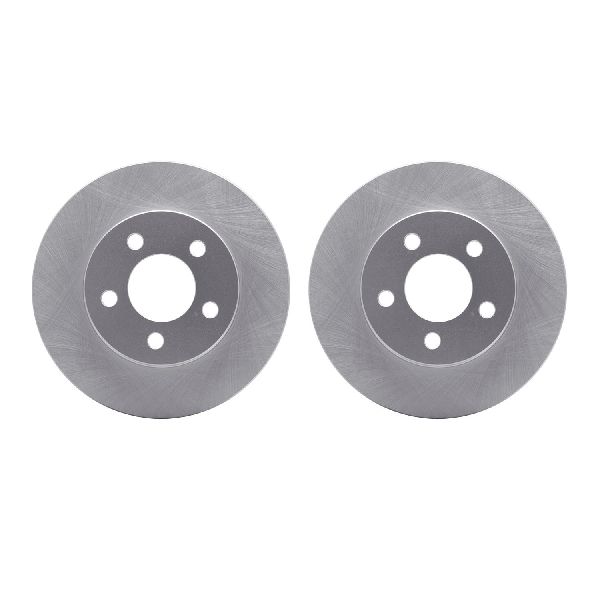
- Slide-On Rotor: Most 4WD Rangers in this year range use a "hat" style rotor that simply slides over the wheel hub studs. 🎬 See how to replace 4x4 front pads and rotors This is a much simpler and faster replacement.
Visually inspect your truck's setup before ordering. An incorrect order will lead to frustration and delays.
Choosing the Right Aftermarket Rotors

You don't need to pay dealership prices for quality parts. The aftermarket offers excellent options that often meet or exceed the quality of the original Motorcraft rotors. The key is to choose a reputable brand and avoid the cheapest, unbranded options which can be made with inferior materials that warp easily.
Brand Tiers for Your Ranger
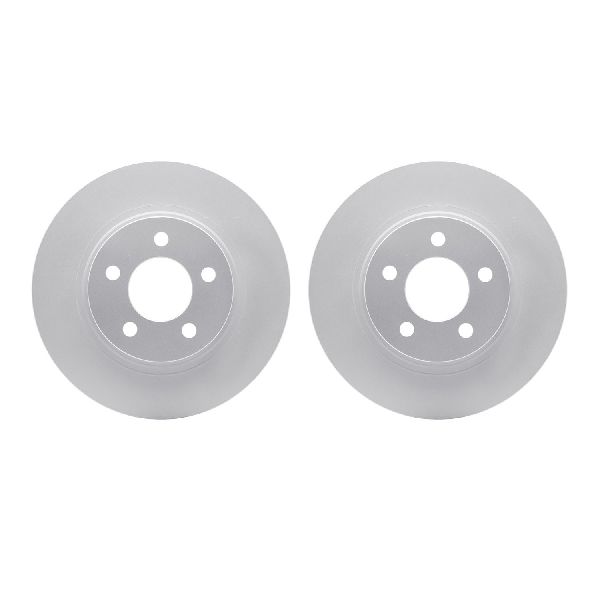
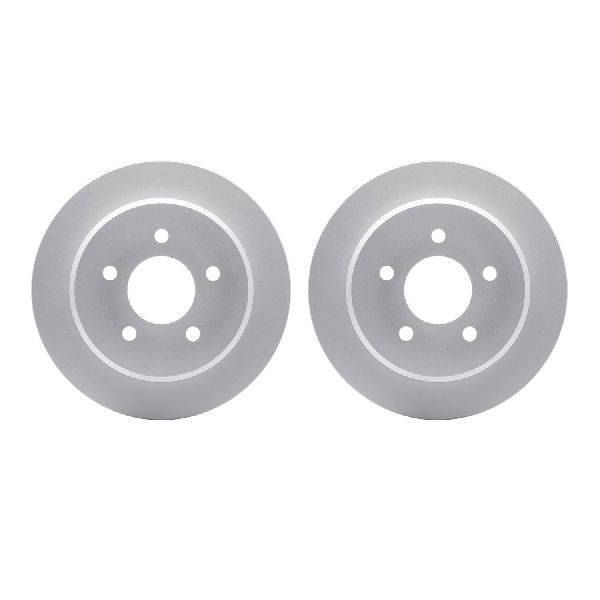
- Daily Driver / OEM Quality (Good): This is the best choice for most Ranger owners. These rotors are designed as direct replacements that provide quiet, reliable stopping for commuting and light truck duties. Brands like Dynamic Friction, Centric, and Raybestos offer excellent value and performance. Many come with a protective coating to prevent rust on the non-contact surfaces, which is a great feature for trucks in wet or snowy climates.
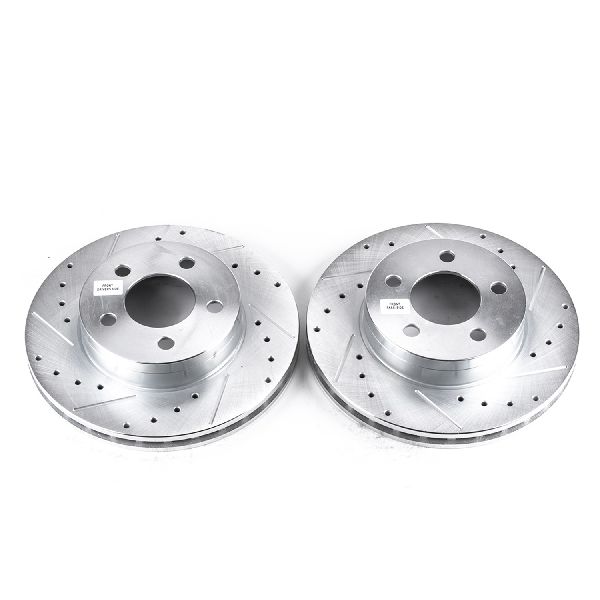
- Performance / Heavy-Duty (Better): If you frequently tow, haul heavy loads, or have larger-than-stock tires, upgrading to a performance rotor set is a smart investment. Powerstop is a very popular brand in this category, especially their Z36 Truck & Tow kits which often include drilled and slotted rotors paired with carbon-fiber ceramic pads. The slots help sweep away brake dust and gases for better performance under heat, but for a daily driver, they aren't strictly necessary.
Pro Tip: Rotor warping is a common complaint. To help prevent it, always tighten your wheel's lug nuts with a torque wrench to the factory specification (usually around 100 ft-lbs for these trucks). Never let a shop use an impact wrench to tighten your lug nuts without confirming the final torque by hand.
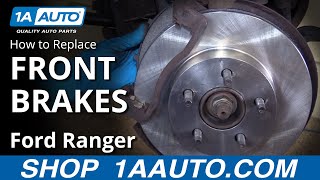
🎬 Follow this step-by-step front brake replacement walkthroughKnown Issues, Recalls, and TSBs

There are no major recalls from the NHTSA specifically for the disc brake rotors on the 1995-2003 Ford Ranger. However, Ford did issue Technical Service Bulletins (TSB #15147 and #14898) for the 1998 model year related to "brake pedal vibration and steering wheel movement during braking." This is an official acknowledgment of the rotor warping issue and reinforces the need to use quality parts and proper installation techniques.
| Part Type | Price Range (Set of 2) |
|---|---|
| New Aftermarket (Your Inventory) | $96.18 - $474.99 |
| New OEM (Motorcraft) | $150 - $500+ |
| Shop Labor | $150 - $400 |
Note: Costs are estimates and can vary based on your location, your truck's specific configuration (hub assembly vs. slide-on), and the shop's labor rates.
Frequently Asked Questions (FAQ)
Do I have to replace my brake pads when I replace my rotors?
Yes, absolutely. You should always replace the brake pads and rotors at the same time. Old pads have worn into the pattern of your old rotors. Putting old pads on new rotors will cause noise, poor performance, and will quickly ruin your new rotors.
Should I get drilled and slotted rotors for my Ranger?
For most owners, the answer is no. A quality, blank (smooth-faced) rotor is more than sufficient for daily driving. If you do a lot of heavy towing or have a modified truck, a performance slotted rotor from a brand like Powerstop can be a good upgrade to help manage heat, but they can sometimes be slightly noisier than blank rotors.
Why is the replacement for my 2WD Ranger so much more expensive/complicated?
Your 2WD Ranger likely uses a one-piece rotor and hub assembly. This part is more complex and expensive because it includes the wheel hub and bearings. The job is also more difficult because it requires removing, and then properly installing and packing, the wheel bearings. 4WD models typically have a simpler slide-on rotor that is a separate, cheaper part.
What's the difference between all the rotor sizes?
Ford used different rotor diameters over the years and between 2WD and 4WD models. Sizes like 10.28", 11.28", and 12" were used. For example, in 2001, many 2WD models got 11.28" rotors while 4x4s got 12" rotors. The most important thing is not to guess; use your vehicle's specific information (year, model, and 2WD/4WD) to ensure you order the correct part for your exact truck.
Helpful Videos
Technical Specifications
Configuration: Varies between one-piece Hub/Rotor Assembly (common on 2WD) and Slide-On "Hat" Style Rotor (common on 4WD). Bolt Pattern: 5 Lug. Common Diameters: 10.28 in, 11.28 in, 12 in. The exact size depends on year, model, and drivetrain. Verification before purchase is critical.
We Have This Part in Stock

The information in this article is provided for general reference and educational purposes only. Vehicle specifications, procedures, and part compatibility can vary by production date, trim level, and region. Always consult your vehicle's factory service manual and verify part numbers before purchasing or performing repairs. Safety-critical components such as airbags, seat belts, and braking systems should be installed by a qualified professional.
- Ford Ranger: