

Ford Windstar Camshaft Position Sensor (1995-2003): A Complete Guide
Experiencing stalling or a no-start condition in your Windstar? Your camshaft position sensor might be the culprit.
- A failing camshaft position sensor is a common cause of stalling, no-starts, and rough running, often triggering a P0340 code.
- For the 3.8L and 3.0L engines, the sensor is part of a synchronizer assembly that requires a special alignment tool for proper installation.
- While budget parts are available, choosing a reputable aftermarket brand like Delphi, Standard Motor Products, or Dorman is recommended for reliability.
- Before replacing the sensor, rule out simpler issues like vacuum leaks or damaged wiring, which can cause similar symptoms.
Is a Failing Camshaft Position Sensor a Common Ford Windstar Problem?
While the 1995-2003 Ford Windstar is better known for major issues like rear axle corrosion and transmission failure, engine sensor problems are also common as these vehicles age. A faulty camshaft position sensor can cause a range of frustrating and potentially dangerous symptoms. The most common diagnostic trouble code (DTC) associated with this failure is P0340, which points directly to a problem in the camshaft position sensor circuit.
🎬 See this walkthrough on diagnosing a P0340 sensor failureChoosing the Right Aftermarket Camshaft Sensor
For a vehicle like the 1995-2003 Windstar, buying a new aftermarket part is the most common and cost-effective choice. The original Ford (Motorcraft) parts may be hard to find or expensive. Aftermarket brands offer a wide range of quality and price points. Here’s how they generally stack up for this specific part:
- Premium Aftermarket (e.g., Delphi, Denso, Standard Motor Products - SMP): These brands are often original equipment (OE) suppliers to various automakers and have a strong reputation for quality and reliability. Delphi sensors, for example, are noted for meeting or exceeding OE specifications and undergoing extensive testing. Standard Motor Products (SMP) is another well-regarded brand known for quality control. If you want the best chance of a long-lasting repair, these brands are a solid choice.
- Standard Replacement (e.g., Dorman, Hitachi, Walker Products): These brands offer a good balance of quality and value. Dorman is known for making direct-fit replacement parts that are widely available and often include improvements over the original design. Hitachi and Walker are also established names in the sensor market. For most owners, this tier provides a reliable repair without the premium price tag.
- Budget-Friendly (e.g., True Tech, URO Parts, other store brands): While the lower price is tempting, quality can be inconsistent. These sensors may work fine, but they might have a shorter lifespan or less precise signaling compared to premium options. Given the critical role of this sensor and the safety risk of stalling, it's often worth spending a little more for a better-known brand. A common sentiment among mechanics is that for easy-to-replace parts, a budget option might be acceptable, but for anything that involves significant labor, it's better to use a higher-quality part to avoid doing the job twice.
Aftermarket Part Cost
| Tier | Price Range (Part Only) |
|---|---|
| Premium Aftermarket | $45 - $80 |
| Standard Replacement | $30 - $55 |
| Budget-Friendly | $22 - $35 |
Known Issues, Recalls, and Technical Service Bulletins (TSBs)
While there are no specific recalls for the camshaft position sensor on the 1995-2003 Windstar, Ford did issue numerous recalls and TSBs for this vehicle, most notably for rear axle and subframe corrosion. There is a TSB (02-22-1) from 2002 regarding the correct installation procedure for the camshaft position synchronizer, which indicates that this was an area where mechanics might make errors. Another TSB (03-16-1) for lean codes P0171/P0174 specifically advises technicians *not* to replace sensors as a first step, but to check for vacuum leaks, which can cause similar symptoms. This is a good reminder to diagnose the problem correctly before replacing parts.
Frequently Asked Questions
Where is the camshaft position sensor located on a Ford Windstar?
The location depends on your engine. On the 3.8L V6 engine, the camshaft position sensor is typically part of a synchronizer assembly, which is installed in the engine block where a distributor would be on an older vehicle, toward the back of the engine. On the 3.0L V6, it is also part of a synchronizer assembly located on the front of the engine, behind the timing cover. Due to its location, especially on the 3.8L, it can be moderately difficult to access.
Can I replace the camshaft position sensor myself?
For a DIY mechanic with some experience, this is a feasible job. The sensor itself is usually held by one or two bolts. However, on engines like the 3.8L where the sensor is part of a synchronizer assembly, the replacement is more complex. It requires setting the engine to Top Dead Center (TDC) on the compression stroke for cylinder #1 and using a special alignment tool to ensure the new synchronizer is installed in the correct position. Failure to do this correctly will result in incorrect engine timing, poor performance, and a check engine light. If you are not comfortable with this procedure, it's best to leave it to a professional.
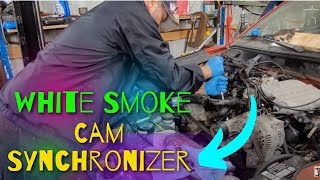
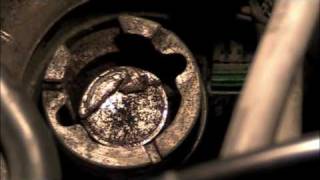
🎬 Watch: How to set timing and change the cam synchronizerWhat's the difference between a camshaft and crankshaft sensor?
Both are critical engine speed sensors, but they measure different things. The camshaft sensor tracks the position of the camshaft (which controls the valves), while the crankshaft sensor tracks the position of the crankshaft (which is connected to the pistons). The computer uses both signals to get a complete picture of the engine's cycle. Sometimes, a problem with the crankshaft sensor can cause a camshaft sensor error code, and vice-versa.
Will a new sensor fix my Windstar's stalling problem?
If the diagnostic code is P0340 and the sensor has failed, then yes, a new sensor should fix the problem. However, stalling and rough running can also be caused by other issues, such as a failing fuel pump, vacuum leaks, or a dirty mass airflow sensor. It's important to properly diagnose the issue and not just replace parts. Check for damaged wiring or connectors to the sensor before replacing it.
Helpful Videos
Technical Specifications
OEM Part Numbers: 5L2Z-6B288-A F57Z12K073AB F57Z12K072AB 1L2Z6B288AA
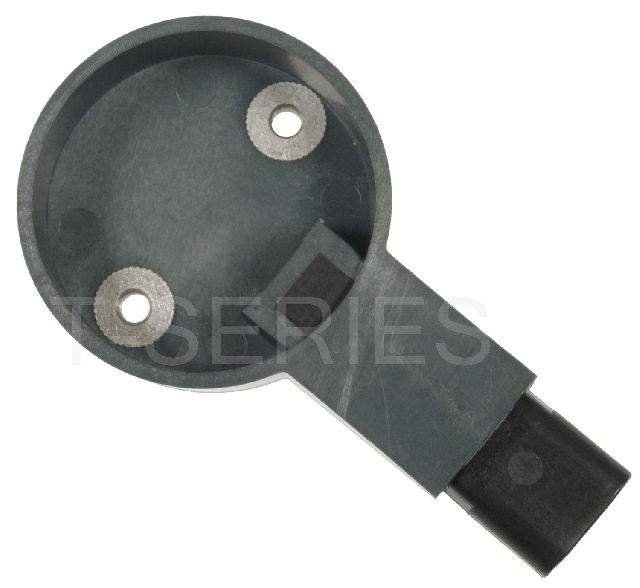
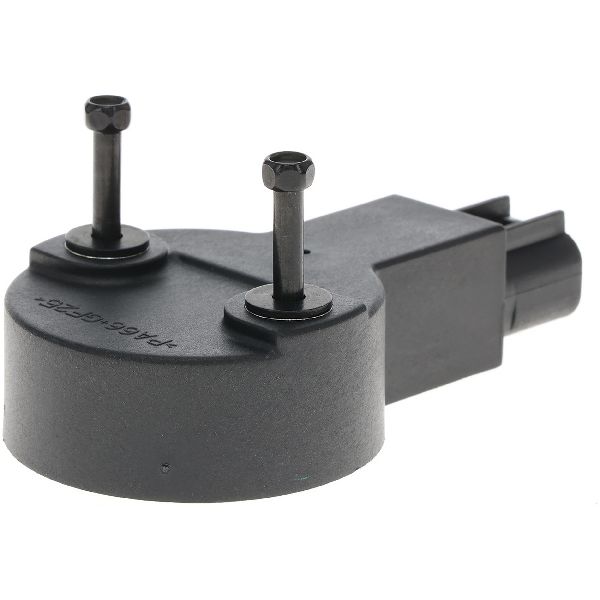
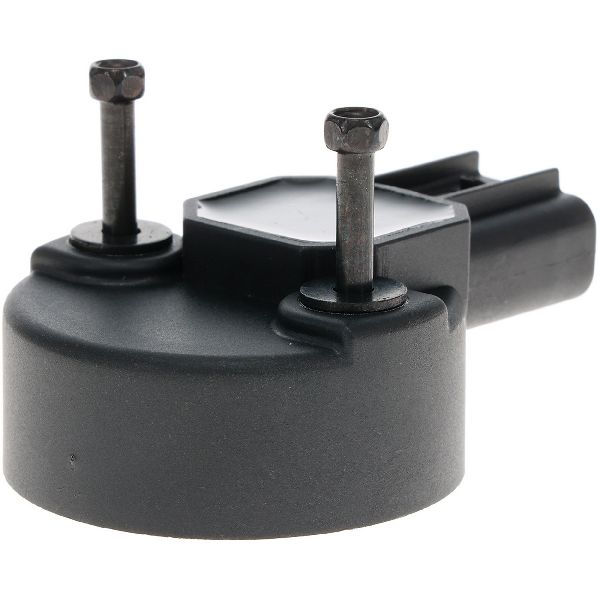
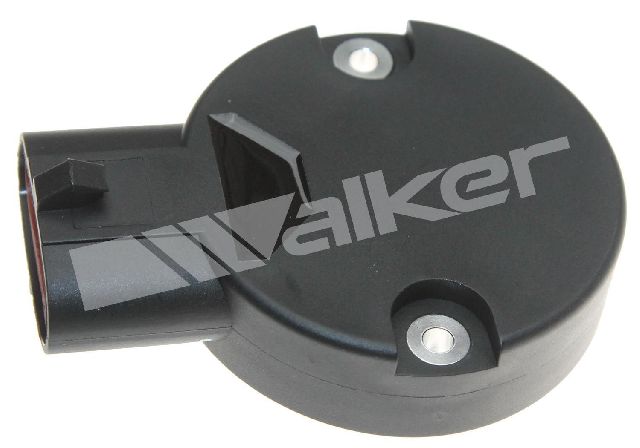
The sensor for the Ford Windstar is typically a Hall Effect sensor integrated into a synchronizer assembly, especially on the 3.8L and 3.0L pushrod engines. This assembly replaces the traditional distributor and is driven by the camshaft.
We Have This Part in Stock


The information in this article is provided for general reference and educational purposes only. Vehicle specifications, procedures, and part compatibility can vary by production date, trim level, and region. Always consult your vehicle's factory service manual and verify part numbers before purchasing or performing repairs. Safety-critical components such as airbags, seat belts, and braking systems should be installed by a qualified professional.
- Ford Windstar: