

Ford Windstar Heater Hose Guide: 1995-2003 Models
Everything you need to know about replacing the HVAC heater hoses on your first-generation Ford Windstar.
- Check if your Windstar has rear heat before ordering, as this determines whether you need a simple hose or a complex assembly.
- The plastic quick-disconnect fittings are a known weak point; inspect them carefully and consider replacing related hoses as a preventative measure.
- Be prepared for a difficult repair. Accessing hoses at the firewall requires removing the wiper cowl assembly.
- For this vehicle, a quality aftermarket brand like Gates or Continental is a reliable and cost-effective choice.
Symptoms of a Failing Heater Hose
A bad heater hose can cause problems ranging from annoying to serious. Because these hoses carry engine coolant, a leak can lead to engine overheating if not addressed. Be aware of these common signs:
- Coolant Leaks: This is the most obvious symptom. You may see puddles of green, yellow, or orange fluid under the front passenger side of the van. 🎬 Watch: Identifying a common coolant leak on a Windstar Leaks often happen where the hoses connect to the engine or firewall.
- Sweet Smell: If you smell something sweet, like syrup, inside or outside the van, it's likely antifreeze. A leak can spray a fine mist that gets pulled into the cabin's air vents.
- No Heat: If a hose is severely clogged or leaking all the coolant, the heater core won't get hot, leaving you with cold air from the vents even when the heat is on.
- Foggy Interior Windows: Steam from leaking hot coolant can fog up the inside of your windshield and windows, which is a tell-tale sign of a leak in the heater system.
- Engine Overheating: A significant coolant leak from any heater hose will lower the coolant level in your engine, causing it to run hot and potentially suffer major damage.
A Common and Frustrating Failure Point
A well-known issue on the 1995-2003 Windstar is the failure of plastic "quick-disconnect" fittings used on some heater hoses, particularly where they connect to the intake manifold. Over time, the plastic becomes brittle and can crack, or the metal pipe underneath corrodes, breaking the seal and causing a sudden coolant leak. When replacing these, inspect the metal pipe for corrosion before installing a new part.
Choosing the Right Aftermarket Heater Hose
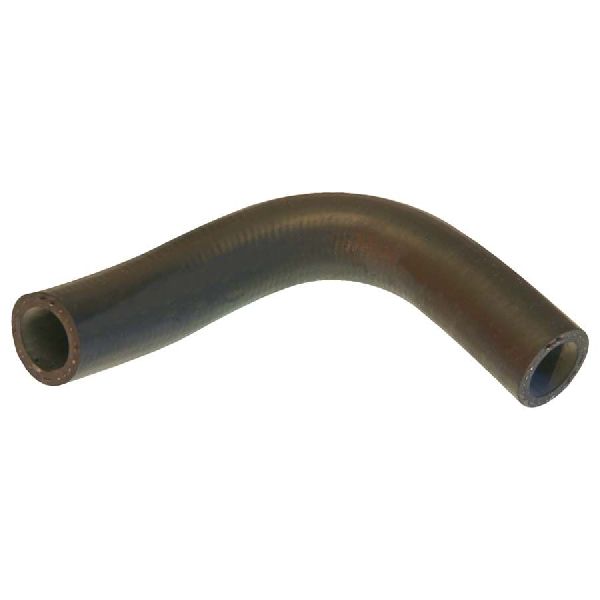
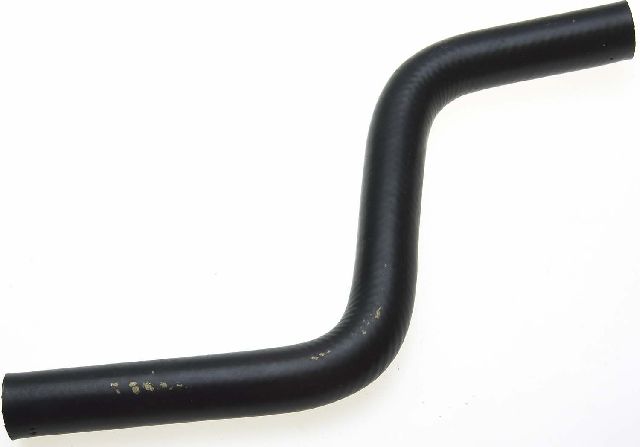
For a vehicle like the 1995-2003 Windstar, a quality aftermarket part is a smart and affordable choice. The original Ford hoses had known failure points, and many aftermarket brands offer reliable replacements. The key is choosing the right part for your van, as models with rear heat require different, more complex hose assemblies.
Brand Quality Tiers
- Premium Brands (Gates, Continental): These brands are well-respected and often considered equivalent to OEM quality. They are known for good material quality and, most importantly, proper fitment with the correct bends and lengths. Gates, in particular, is often praised for its accurate parts catalog and durable construction.
- Standard Brands (Dayco): Dayco is a widely available brand that offers a reliable product. While some mechanics have noted occasional fitment issues or slightly thinner materials compared to Gates, they are a solid choice for most repairs.
- Economy Brands (Skyward, various store brands): These are the most budget-friendly options. They will get the job done, but may not have the same longevity or precise fit as premium brands. For a simple, straight hose section, they can be a good value. For complex molded assemblies, sticking with a premium or standard brand is often worth the small extra cost to avoid installation headaches.
Pro Tip: The price range for these parts is wide ($10-$97) because of the difference between a single hose and a full assembly for vans with rear heat. Before ordering, confirm if your Windstar has the rear HVAC system. You can check for heater controls in the rear passenger area.
Estimated Replacement Costs
| Part Type | Estimated Cost |
|---|---|
| New Aftermarket Heater Hose/Assembly | $10 - $97 |
| Shop Labor | $200 - $500 |
Labor costs can vary significantly. Replacing hoses connected to the firewall is very time-consuming as it requires removing the wiper cowl assembly. 🎬 Watch: How to access the heater hoses at the firewall
Frequently Asked Questions (FAQ)
Do I need to replace all the heater hoses at once?
It's a good idea. Heater hoses are made of the same material and live in the same harsh environment. If one has failed due to age, the others are likely not far behind. Replacing them all at once can save you from another breakdown and repair bill in the near future.
What makes the replacement so difficult on a Windstar?
Access is the biggest challenge. The hoses that connect to the heater core at the firewall are buried deep under the windshield cowl. To reach them, a mechanic must remove the wiper arms and the entire plastic and metal cowl assembly, which adds significant labor time. Some hoses also run under the upper intake manifold, requiring its removal.
🎬 See this walkthrough for replacing the upper intake manifold assemblyWhat is a heater hose assembly?
An assembly is a part that includes multiple hoses, metal pipes, and T-fittings that are pre-connected from the factory. For Windstars with rear heat, you will often need to buy an assembly rather than individual hoses, as the components are permanently crimped together.
Can I bypass the rear heater if the hoses are leaking?
Yes, this is a common temporary or permanent fix for owners who don't need the rear heat. You can disconnect the feed and return lines for the rear system and loop the connection near the engine. This eliminates the long run of pipes and potential leak points, but you will no longer have heat in the rear of the van.
Helpful Videos
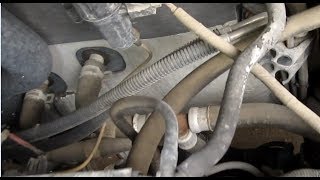
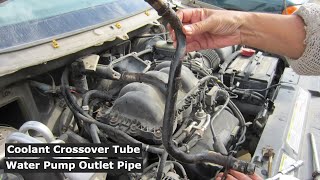
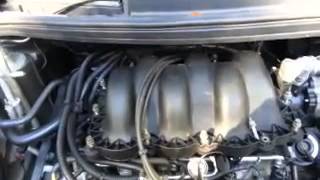
Technical Specifications
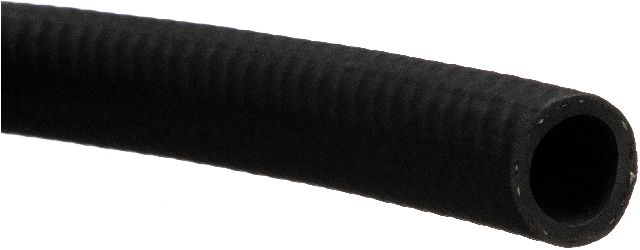
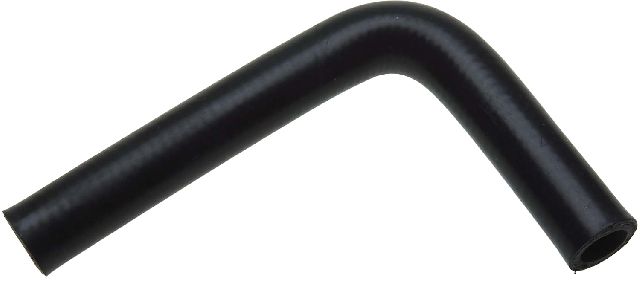
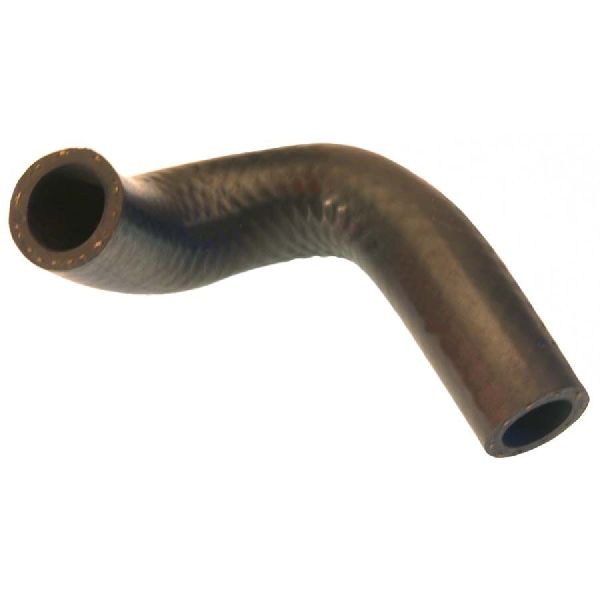
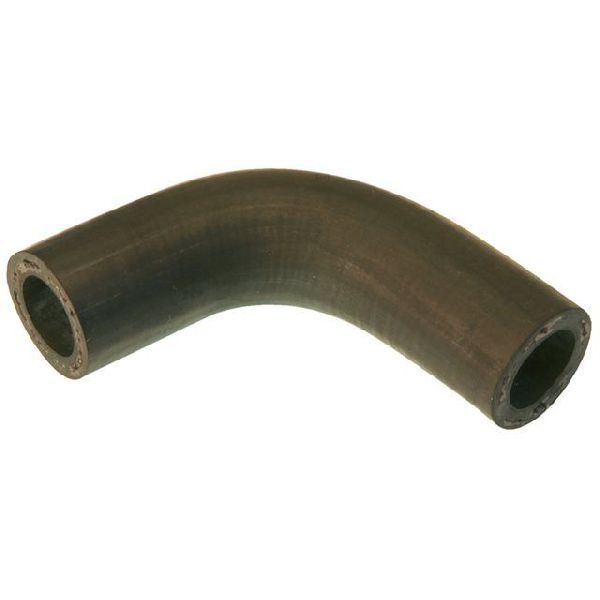
Hoses are vehicle-specific and often molded to fit. Some models use quick-disconnect style fittings. Material is typically EPDM rubber to resist heat and chemicals. Assemblies for rear heat models include multiple hoses, T-fittings, and metal pipes.
We Have This Part in Stock

The information in this article is provided for general reference and educational purposes only. Vehicle specifications, procedures, and part compatibility can vary by production date, trim level, and region. Always consult your vehicle's factory service manual and verify part numbers before purchasing or performing repairs. Safety-critical components such as airbags, seat belts, and braking systems should be installed by a qualified professional.
- Ford Windstar: