

Ford Windstar Radiator Coolant Hose Replacement Guide (1995-2003)
Leaking coolant or overheating? Your Windstar's radiator hoses are a likely and critical culprit.
- A leaking radiator hose on a 3.8L V6 Windstar is a critical issue that can lead to catastrophic head gasket failure if ignored.
- Always replace radiator hoses in pairs (upper and lower) and use new hose clamps to ensure a reliable repair.
- Quality aftermarket brands like Gates and Continental are excellent, cost-effective choices for this vehicle.
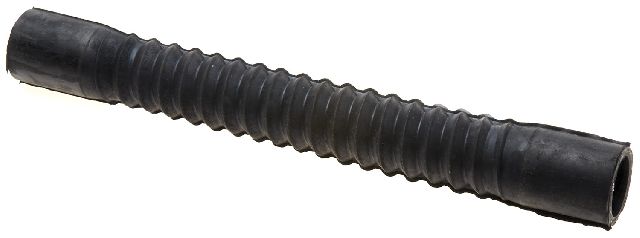
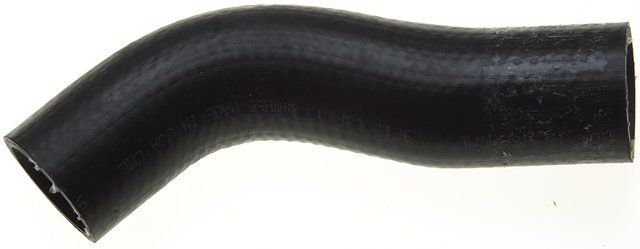
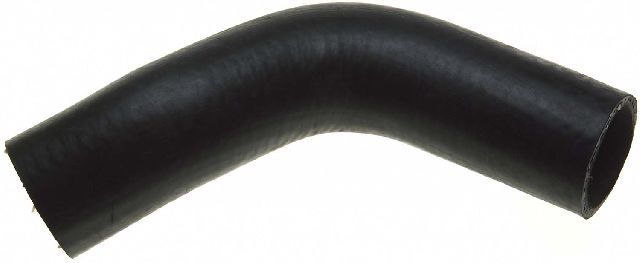
- Before installing, compare the new hose's shape to the old one to confirm correct fitment and prevent kinks.
Is Your Windstar's Radiator Hose Failing?
Radiator hoses are wear-and-tear items. After years of exposure to heat and coolant chemicals, the rubber breaks down. For the 1995-2003 Ford Windstar, a leaking hose is more than just a small drip—it's a major risk. The 3.8L V6 engine, common in these vans, is notoriously prone to expensive head gasket failure when it overheats. Ignoring a bad hose can destroy your engine.
A Critical Warning for 3.8L V6 Owners
If your Windstar has the 3.8L V6, you must address cooling system problems immediately. Overheating caused by a failed radiator hose puts you at extremely high risk of a multi-thousand-dollar head gasket repair. Do not drive an overheating Windstar.
Symptoms of a Bad Radiator Hose
- Coolant Puddles: Finding green, yellow, or pink fluid under the front of your van is the most obvious sign of a leak.
- Engine Overheating: If the temperature gauge climbs into the red or the warning light comes on, a coolant leak is a primary suspect.
- Visible Hose Damage: Inspect the hoses. Look for cracks, splits, or bulging areas. A hose that feels spongy, soft, or excessively hard is ready to fail.
- Sweet Smell: The smell of maple syrup after driving is the distinct scent of leaking antifreeze.
- Low Coolant Level: Frequently needing to top off the coolant in the plastic reservoir means you have a leak somewhere in the system.
Choosing the Right Aftermarket Hose: Continental vs. Dayco vs. Gates
For a vehicle like the 1995-2003 Windstar, a quality aftermarket hose provides the same performance as the original part for less money. Continental, Dayco, and Gates are all established brands that manufacture hoses engineered to resist modern coolant corrosion.
- Gates: Generally considered a top-tier aftermarket brand. Many professional mechanics trust Gates for good fitment and durability. NAPA's premium hoses are often manufactured by Gates. They are known for good cataloging, meaning you are likely to get the correct part.
- Continental: Another premium brand with a strong reputation for quality, often mentioned in the same tier as Gates. Hoses from Continental are a reliable choice for fit and function.
- Dayco: A widely available brand that produces quality parts. However, some users in forums have occasionally reported fitment issues, where the bends of the hose don't perfectly match the original part. While many have used Dayco without issue, it's wise to compare it to your old hose before installation.
Pro Tip: Check the Bends
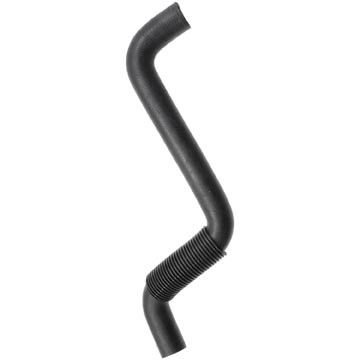
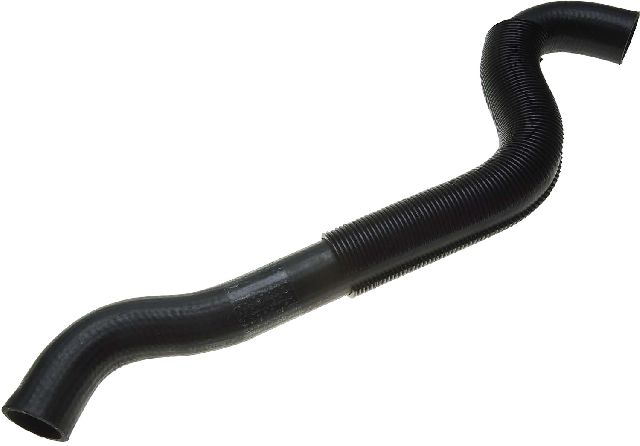
Before starting the repair, hold the new aftermarket hose next to the old one you're replacing. Make sure all the bends and angles match up. An improperly shaped hose can kink or rub against other parts, leading to premature failure.
| Part Type | Estimated Cost |
|---|---|
| New Aftermarket Hoses (Set of 2) | $16.28 - $56.37 |
| Shop Labor | $120 - $240 |
| Total Estimated Cost | $140 - $300 |
Cost estimates are for parts and labor and can vary by location and vehicle specifics. It is highly recommended to replace both upper and lower hoses at the same time.
Frequently Asked Questions
Should I replace both radiator hoses at the same time?
Yes. Radiator hoses are exposed to the same conditions and age at the same rate. If one has failed, the other is likely not far behind. Replacing them in pairs is a smart preventative measure that saves you from doing the same job twice.
Do I need to replace the hose clamps?
It is highly recommended. Old spring clamps can lose their tension over time, and worm-gear clamps can wear out. New clamps are inexpensive and ensure a tight, leak-free seal on your new hoses. Gates specifically recommends replacing clamps with every new hose installation.
What kind of coolant should I use for my Windstar?
For this generation of Ford Windstar, a traditional green or yellow IAT (Inorganic Additive Technology) coolant is typically specified. However, always check your owner's manual or a reliable parts source for the correct type to avoid damaging the cooling system.
Is replacing a radiator hose a difficult DIY job?
For a mechanically inclined person with basic tools, this is a very manageable job. The main steps are draining the coolant, accessing the clamps, swapping the hoses, and refilling/bleeding the system. Access can sometimes be tight, but it does not typically require special tools.
Are there any recalls for Windstar radiator hoses?
No, there are no specific NHTSA recalls for radiator coolant hoses on the 1995-2003 Ford Windstar. There were recalls for other cooling system components on different Ford models, but not for the hoses on this van.
Technical Specifications
OEM Part Numbers: F58Z-18663-CB XF2Z-8548-AA F68Z-18472-ABB F4DZ8A582A KM-4753
Hoses are made from EPDM rubber to resist electrochemical degradation, heat, and ozone. They are pre-molded to fit specific engine configurations (3.0L or 3.8L V6) and positions (upper or lower).
We Have This Part in Stock

The information in this article is provided for general reference and educational purposes only. Vehicle specifications, procedures, and part compatibility can vary by production date, trim level, and region. Always consult your vehicle's factory service manual and verify part numbers before purchasing or performing repairs. Safety-critical components such as airbags, seat belts, and braking systems should be installed by a qualified professional.
- Ford Windstar: