

Ford Windstar Throttle Position Sensor Guide (1995-2003)
If your Windstar is stalling, hesitating, or shifting poorly, a bad throttle position sensor could be the culprit.
- Symptoms of a bad TPS include stalling, hesitation, and poor automatic transmission shifting.
- There are no specific recalls or TSBs for this part; failures are typically from age and wear.
- For best results, choose the OEM Motorcraft part or a premium aftermarket brand like Delphi or NGK.
- Replacement is an easy DIY job that can be done in under 30 minutes, but be careful with the mounting screws.
Is Your Windstar Showing Signs of a Bad Throttle Position Sensor?
A failing throttle position sensor (TPS) on the 1995-2003 Ford Windstar can cause a range of frustrating engine and transmission problems. Because the sensor provides vital information for both fuel and shifting, symptoms can sometimes be confusing. The most common signs include:
- Check Engine Light: The computer will often trigger a Check Engine Light and store a trouble code.
- Poor or Erratic Idle: The engine may idle very high, surge up and down, or stall when you come to a stop.
- Hesitation and Lack of Power: When you press the gas, the van may feel sluggish or hesitate before accelerating. This happens because the computer gets incorrect information about what you're asking the engine to do.
- Transmission Shifting Problems: The automatic transmission may shift harshly, at the wrong times, or not shift out of a lower gear.
- Poor Fuel Economy: When the computer can't get an accurate throttle reading, it often uses more fuel than necessary, leading to bad gas mileage.
No Specific Recalls or TSBs
Searches of the National Highway Traffic Safety Administration (NHTSA) database and for Technical Service Bulletins (TSBs) did not find any specific recalls or service bulletins for the throttle position sensor on the 1995-2003 Ford Windstar. Problems with this part are typically due to age and wear.
Choosing the Right Aftermarket TPS for Your Windstar
For a vehicle of this age, an aftermarket TPS is a cost-effective choice. However, quality can vary between brands. Ford sensors are known to be sensitive, so choosing a reputable brand is important for a lasting repair. Here’s a breakdown of the available brands:
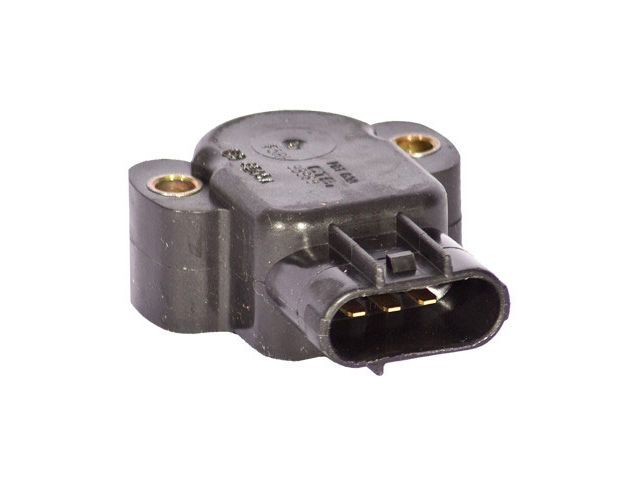
- OEM (Motorcraft): Motorcraft is Ford's official parts brand. It is the safest bet for compatibility and long-term reliability. If your budget allows, this is the most recommended option.
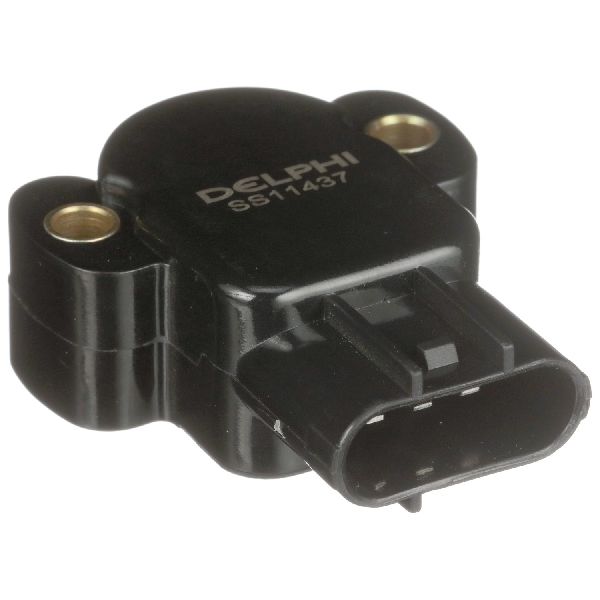
- Premium Aftermarket (Delphi, NGK/NTK): Brands like Delphi and NGK's sensor division, NTK, are often original equipment manufacturers for many car brands. They are widely considered to be high-quality, reliable alternatives to OEM parts.
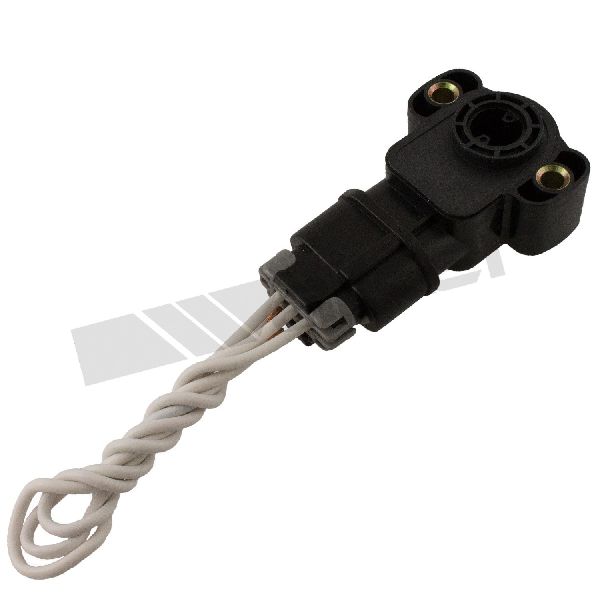
- Standard Aftermarket (Standard Ignition, Walker Products): These brands offer a balance of quality and price. Standard Motor Products (SMP) is a well-known name, though some users report occasional issues with aftermarket sensors. They are generally a solid choice for a daily driver.
- Economy Aftermarket (Replacement, Global Parts, True Tech): These are the most budget-friendly options. While they can get your van back on the road, their long-term durability and signal accuracy may not match that of premium brands. They can be a good choice if the budget is the primary concern.
Pro Tip: Consider Cleaning First
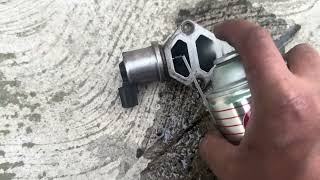
Sometimes, symptoms of a bad TPS can be caused by carbon buildup inside the throttle body, which can cause the throttle plate to stick. Before replacing the sensor, consider cleaning the throttle body and the Idle Air Control (IAC) valve passages with a dedicated throttle body cleaner. 🎬 See how to clean the IAC valve on your Windstar This simple maintenance can sometimes resolve idle and stalling issues.
Cost to Replace a Ford Windstar TPS
| Part or Service | Estimated Cost |
|---|---|
| New OEM (Motorcraft) Part | $40 - $66 |
| New Aftermarket Part | $16 - $65 |
| Shop Labor | $73 - $107 |
| Total (DIY) | $16 - $66 |
| Total (Installed at Shop) | $89 - $173 |
Frequently Asked Questions
Is a Windstar TPS hard to replace myself?
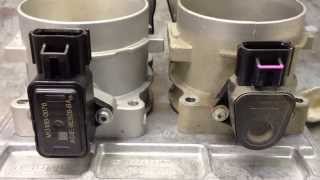
No, this is a very DIY-friendly job. The TPS is located on the side of the throttle body and is held on by two screws. You just need to unplug the electrical connector and remove the screws. The most common issue is that the factory screws may have Loctite and can be difficult to remove without stripping them. 🎬 Watch this guide to replace the sensor without breaking screws Applying a small amount of heat from a propane torch to the screw area can help soften the Loctite. The entire job can usually be done in under 30 minutes.
Do I need to reset the computer after replacing the TPS?
It is a good practice to reset the computer after replacing the sensor. You can do this by disconnecting the negative battery terminal for about 15 minutes. This clears any learned values and allows the computer to calibrate to the new sensor right away. After reconnecting, the engine may idle unusually for a few minutes as the computer relearns.
What are the OBD-II codes for a bad TPS?
The most common diagnostic trouble codes (DTCs) for a failing throttle position sensor are P0122 (Throttle/Pedal Position Sensor/Switch 'A' Circuit Low) and P0123 (Throttle/Pedal Position Sensor/Switch 'A' Circuit High). P0122 means the computer is seeing a voltage from the sensor that is lower than expected, while P0123 means the voltage is higher than expected.
Can I drive with a bad TPS?
While you might be able to drive the vehicle, it is not recommended. A bad TPS can cause unpredictable stalling, hesitation in traffic, and sudden lack of power, which are all significant safety risks. It's best to get the issue repaired as soon as possible to avoid being stranded or causing an accident.
Helpful Videos

Technical Specifications
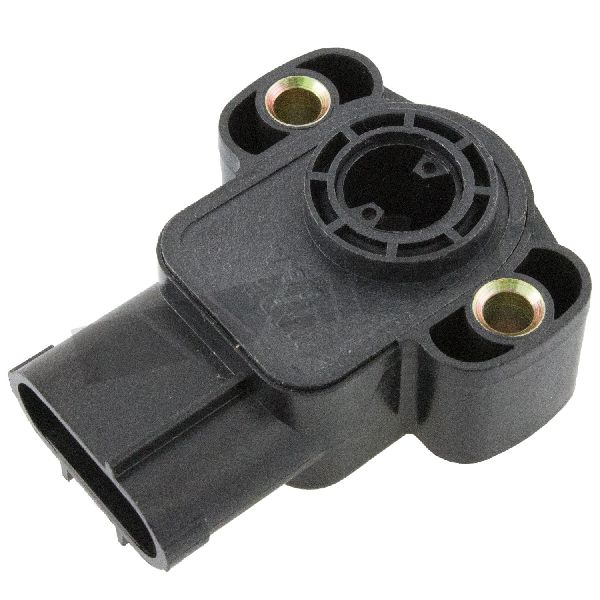
OEM Part Numbers: F57Z-9B989-A DY-968
3-pin electrical connector, mounts to throttle body.
We Have This Part in Stock


The information in this article is provided for general reference and educational purposes only. Vehicle specifications, procedures, and part compatibility can vary by production date, trim level, and region. Always consult your vehicle's factory service manual and verify part numbers before purchasing or performing repairs. Safety-critical components such as airbags, seat belts, and braking systems should be installed by a qualified professional.
- Ford Windstar: