

A Guide to Spark Plugs for the 1995-2003 Kia Sportage
Keep your first-generation Sportage's 2.0L engine running strong with the right set of spark plugs.
- For best results, use OEM-equivalent brands like NGK or Denso, as they are often the original factory supplier for Kia.
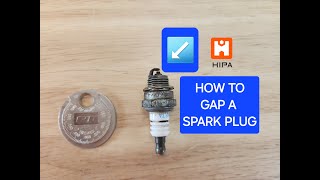
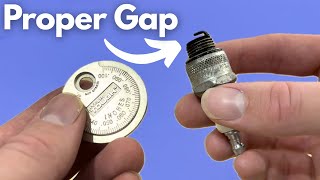
- Always verify the spark plug gap is 1.1mm (.044") before installation, even if the plugs are pre-gapped.
- Replace spark plugs as a complete set to ensure even engine performance and balanced wear.
- While replacing the plugs, inspect the spark plug wires for any signs of cracking or wear, and consider replacing them as well.
Symptoms of Failing Spark Plugs

When spark plugs wear out, they can't create a strong enough spark to burn the fuel efficiently. This can cause a variety of noticeable problems. If you experience any of these signs, it might be time to inspect your plugs.
- Rough Idling: The engine may shake or vibrate when the vehicle is stopped. This happens because the cylinders aren't firing consistently.
- Poor Acceleration: Your Sportage may feel sluggish or slow to respond when you press the gas pedal.
- Reduced Fuel Economy: If you're filling up your gas tank more often than usual, worn plugs could be the cause due to inefficient fuel combustion.
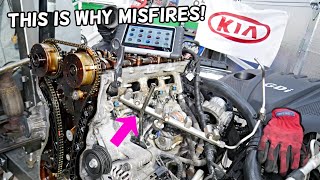
- Engine Misfires: You might feel a hesitation or jerking from the engine during acceleration. This can trigger the Check Engine Light with codes like P0300, P0301, P0302, P0303, or P0304. 🎬 Watch: Common causes for engine misfires on your Kia Sportage
- Difficulty Starting: A weak spark can make it harder for the engine to turn over, especially in cold weather.
Choosing the Right Aftermarket Spark Plug

For the 1995-2003 Kia Sportage, the original equipment (OEM) manufacturer for spark plugs is typically NGK or Denso. Sticking with these brands is a safe bet for reliable performance. However, other brands also offer quality options at different price points.
Brand Quality Tiers
- OEM-Equivalent / Premium (NGK, Denso): These brands are widely considered the best choice for Asian vehicles. Owners often report that their Kias run smoothest with NGK or Denso plugs. They offer a perfect fit and reliable performance.
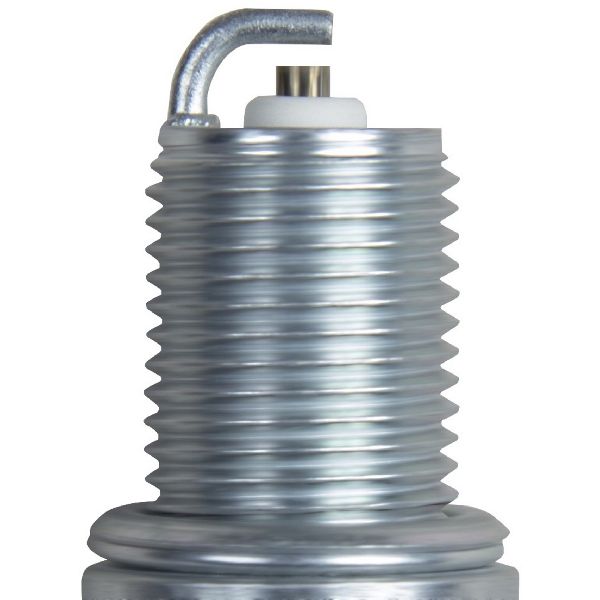
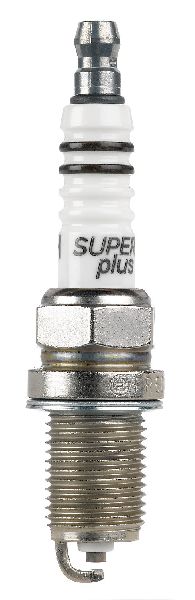
- Reliable Aftermarket (Bosch, Champion): These are well-known brands that produce quality spark plugs. Champion plugs were even used as factory parts in some Kia and Hyundai vehicles. They are a solid choice if NGK or Denso are not available.
- Standard / Value (Autolite): Autolite is a popular brand offering a wide range of plugs, including long-life iridium options. However, some Kia owners have reported their engine running poorly with these plugs, so results may vary.
Spark Plug Materials
The material of the electrode tip affects the plug's performance and lifespan.
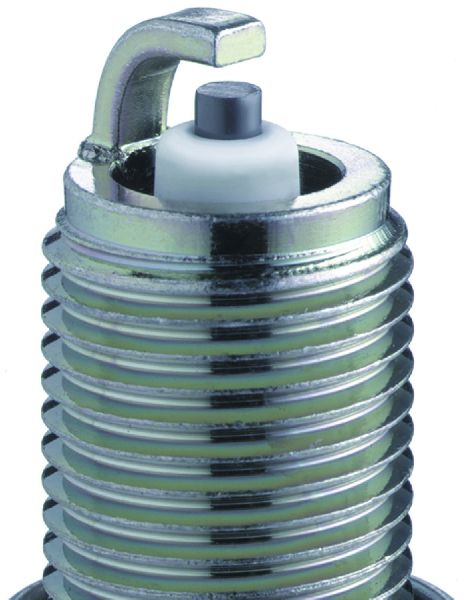
- Copper/Nickel: These are the most basic and affordable plugs. They are excellent conductors but wear out the fastest, typically needing replacement every 30,000 miles. The NGK V-Power is a popular example.
- Platinum: Platinum is more durable than copper and resists deposit buildup better. Single and double platinum plugs offer a longer service life, often lasting up to 60,000 miles.
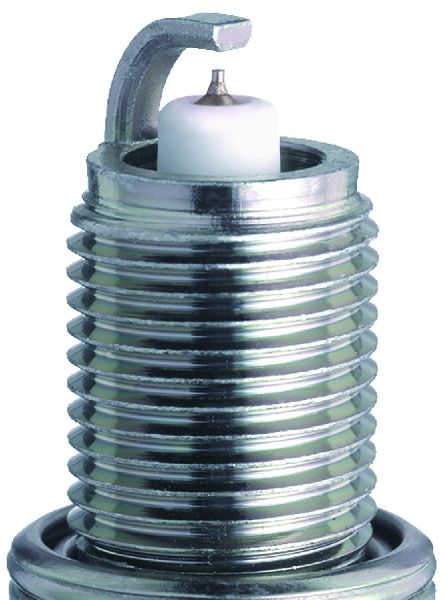
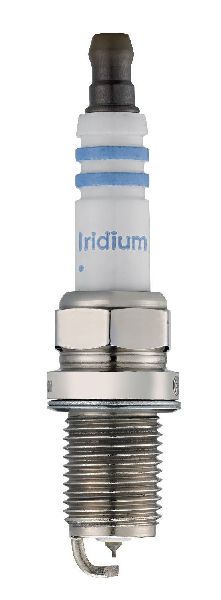
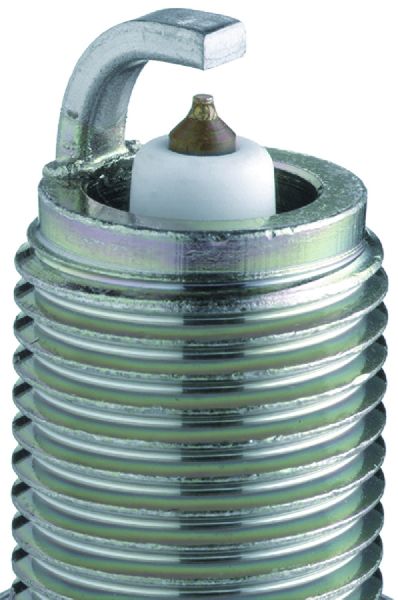
- Iridium: Iridium is harder and more durable than platinum, providing the longest lifespan—often 100,000 miles or more. The fine-wire tip creates a more focused spark for better efficiency and performance. Brands like NGK Iridium IX and Denso Iridium are top-tier choices.
Aftermarket Spark Plug Cost
| Plug Type | Typical Price (per plug) | Estimated Lifespan |
|---|---|---|
| Copper/Nickel | $3.25 - $6.00 | ~30,000 miles |
| Platinum | $5.00 - $12.00 | ~60,000 miles |
| Iridium | $9.00 - $21.22 | ~100,000 miles |
Frequently Asked Questions

How often should I change the spark plugs on my Sportage?
It depends on the type of plug. Standard copper plugs should be changed around every 30,000 miles. Platinum and iridium plugs can last much longer, from 60,000 to over 100,000 miles. Always check your owner's manual for the recommended service interval.
What is the correct spark plug gap for a 1995-2003 Kia Sportage?
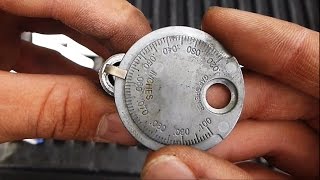
The recommended spark plug gap is 1.1mm, which is equivalent to .043" or .044". While most plugs come pre-gapped, it is a pro-tip to always verify the gap with a gapping tool before installation.
🎬 Watch: How to correctly gap your new spark plugsCan I upgrade from standard plugs to iridium plugs?
Yes. Upgrading to iridium plugs is a common and beneficial practice. They provide a longer service life, more consistent performance, and slightly better fuel efficiency over time. Brands like NGK and Denso offer direct-fit iridium upgrades.
Is it a bad spark plug or a bad spark plug wire?
The symptoms are very similar. However, spark plug wires can also degrade over time, causing cracks that allow the spark to arc to the engine block instead of reaching the plug. A visual inspection of the wires for cracks, brittleness, or corrosion can help. When replacing plugs that are over 60,000 miles old, it's often a good idea to replace the wires at the same time.
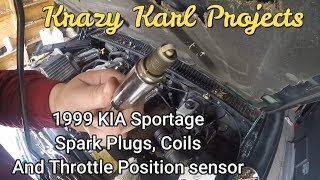
🎬 See this walkthrough for replacing your Sportage plugs and coilsHelpful Videos
Technical Specifications
OEM Part Numbers: PGR5C-11 BKR6ES-11 BKR6E-11
Engine: 2.0L DOHC L4. Spark Plug Gap: 1.1mm (0.044 inches). Hex Size: 5/8 inch. Tightening Torque: Approx. 11-18 lb-ft.
We Have This Part in Stock

The information in this article is provided for general reference and educational purposes only. Vehicle specifications, procedures, and part compatibility can vary by production date, trim level, and region. Always consult your vehicle's factory service manual and verify part numbers before purchasing or performing repairs. Safety-critical components such as airbags, seat belts, and braking systems should be installed by a qualified professional.
- Kia Sportage: