

Land Rover Range Rover Crankshaft Position Sensor Guide (1995-2003)
Solve your Range Rover's stalling or no-start problems by understanding this critical engine sensor.
- The most common symptom is the engine stalling when hot and not restarting until it cools down.
- You MUST correctly identify your engine as GEMS (95-99) or Bosch (99-02) to get the right part; they are not interchangeable.
- For this critical sensor, it is highly recommended to use an OEM-supplier (like Bosch) or a top-tier aftermarket brand for reliability.
- A failing sensor is a safety hazard that can cause your vehicle to stall in traffic; do not drive with these symptoms.
Is Your Range Rover Stalling When Hot? Check the Crank Sensor.
If you own a 1995-2003 Range Rover, especially the P38A model (1995-2002), you know they have their unique quirks. One of the most common and frustrating issues is an engine that stalls when it warms up and then refuses to restart until it cools down. More often than not, the culprit is a failing engine crankshaft position sensor.
Critical Part Distinction: GEMS vs. Bosch Engines
It is extremely important to identify your engine type before buying a new sensor. The 1995-2002 P38A Range Rover used two different V8 engine management systems, and they use different crankshaft sensors that are not interchangeable.
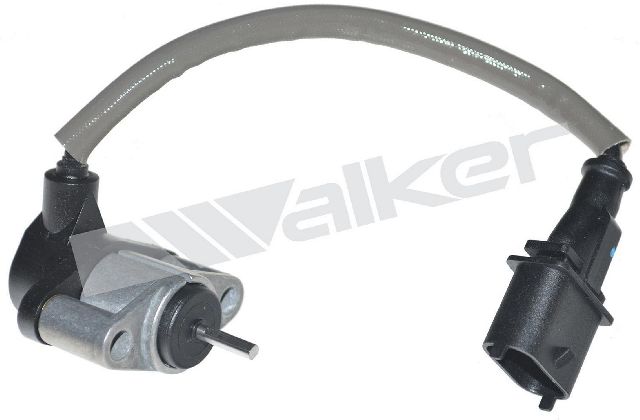
- GEMS (1995-1999): These engines have a flat, rectangular intake plenum on top of the engine. They typically use part number ERR6119.
- Bosch (1999-2002): These engines have a curvier, tube-like intake manifold often called the "bunch of bananas." They typically use part number ERR7354.
- L322 (2003): The 2003 model year began the L322 generation, which uses a BMW V8 engine. This engine requires a different sensor than either of the P38A versions. Always verify fitment using your vehicle's VIN for this model year.
Ordering the wrong sensor is the most common mistake owners make. Double-check your engine type or the part number on your old sensor before purchasing.
Choosing the Right Aftermarket Sensor
For many parts, aftermarket is a great way to save money. For critical electronics on a P38A Range Rover, the owner community has a strong opinion: quality matters. A cheap, poorly made sensor can fail quickly, be dead on arrival, or have incorrect dimensions, leaving you stranded again.
Brand Quality Tiers for Land Rover
Based on feedback from Land Rover mechanics and owner forums, we can group the available brands into tiers for this specific part:
- Top Tier (OEM / OEM-Supplier): These brands are known to be original equipment manufacturers for Land Rover or other European brands. They offer the highest reliability. For the Bosch engine, the OEM part is made by Bosch, making it the best choice.
- Bosch
- Delphi
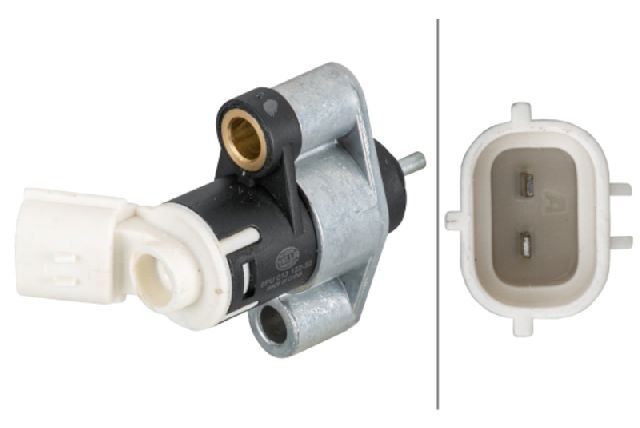
- Hella
- Reliable Aftermarket Tier: These are established brands with a good reputation for quality and consistent performance. They are a solid choice if an OEM-supplier brand is not available.
- Standard Ignition (SMP)
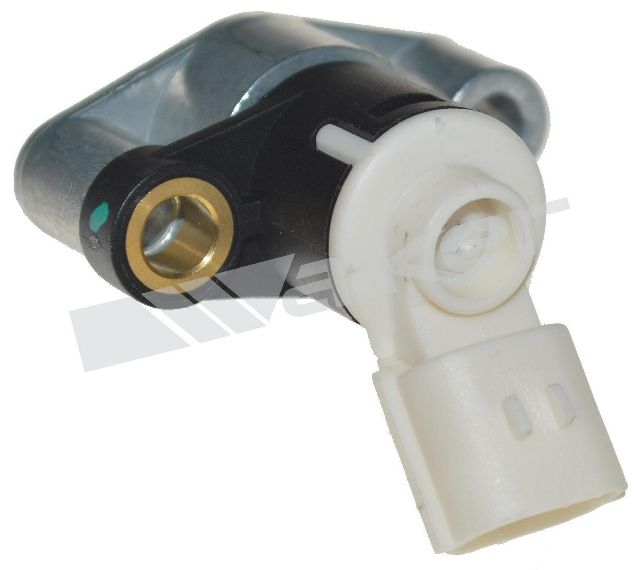
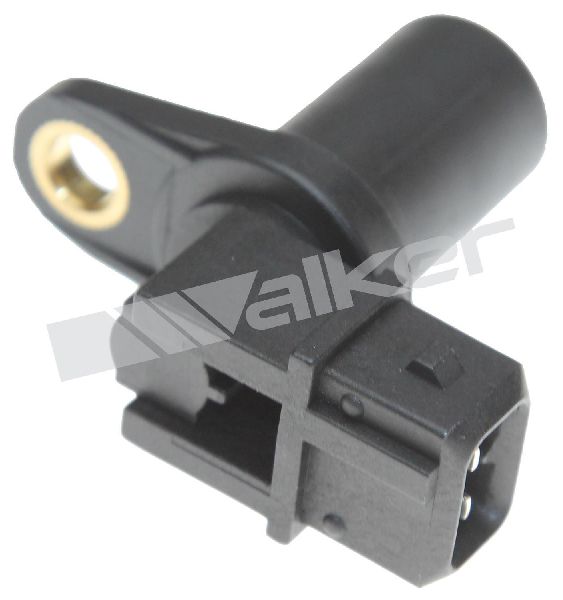
- Walker Products
- Spectra
- Facet
- Budget Tier (Use With Caution): While these brands offer the lowest price, their quality can be inconsistent for critical sensors. For a part that can leave you stranded, it is often worth spending more for a higher-tier brand.
- Dorman
- Eurospare
- Global Parts
- Prenco
- Vemo
Pro Tip: Keep the Old One
Some owners choose to keep their old, functioning sensor in the vehicle as a spare. Since a common failure is heat-related, a cool spare sensor can often get you started again in an emergency.
Cost of Replacing a Range Rover Crankshaft Sensor
The total cost depends on whether you do it yourself or have a shop do the work. The part itself is affordable, but shop labor can add to the price.
| Item | Estimated Cost |
|---|---|
| New Aftermarket Part | $36 - $124 |
| Shop Labor | $75 - $140 |
| Total Professional Replacement | $111 - $264 |
Frequently Asked Questions
Where is the crankshaft sensor located on a P38A Range Rover?
The sensor is located on the driver's side of the engine, near the back where the engine meets the transmission. It is mounted to the engine block and reads a toothed wheel on the flywheel. Access can be tight, and it is often easiest to reach from underneath the vehicle.
Can I replace this sensor myself?
Yes, this is a DIY-feasible job for someone with basic mechanical skills and tools. The main challenge is accessing the single bolt that holds the sensor in place. It requires working in a tight space. The sensor has one electrical connector that must be unclipped. Estimated time is about one hour.
Are there any recalls for this part?
No. Searches of the NHTSA database show no safety recalls or technical service bulletins (TSBs) specifically for the crankshaft position sensor on the 1995-2003 Land Rover Range Rover.
What happens if I ignore a failing crankshaft sensor?
Ignoring the symptoms is not recommended. The stalling will likely become more frequent until the vehicle does not start at all. Sudden stalling while driving is a serious safety hazard, especially in traffic or at high speeds.
Technical Specifications
OEM Part Numbers: ERR7354 ERR6119
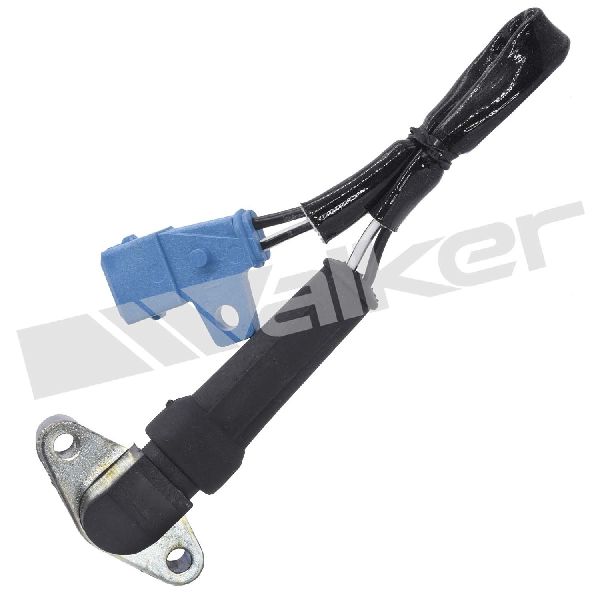
This is a variable reluctance (VR) sensor that generates an AC voltage signal as the crankshaft rotates. The ECU interprets this signal to determine engine speed and position. The physical dimensions, mounting bracket, and electrical connector are different between GEMS and Bosch versions.
We Have This Part in Stock


The information in this article is provided for general reference and educational purposes only. Vehicle specifications, procedures, and part compatibility can vary by production date, trim level, and region. Always consult your vehicle's factory service manual and verify part numbers before purchasing or performing repairs. Safety-critical components such as airbags, seat belts, and braking systems should be installed by a qualified professional.
- Land Rover Range Rover:
- 🛍️ Shop This Part
- Is Your Range Rover Stalling When Hot? Check the Crank Sensor.
- Critical Part Distinction: GEMS vs. Bosch Engines
- Choosing the Right Aftermarket Sensor
- Brand Quality Tiers for Land Rover
- Pro Tip: Keep the Old One
- Cost of Replacing a Range Rover Crankshaft Sensor
- Frequently Asked Questions
- 🎟️ Get 5% Off