

Throttle Position Sensor (TPS) Guide for 1995-2003 Mazda Protege
Solve common idling, stalling, and acceleration problems in your Mazda Protege by understanding its throttle position sensor.
- Symptoms like erratic idle, stalling, and hesitation are common but can also be caused by a dirty throttle body.
- Replacement is a simple DIY job, typically requiring only a Phillips screwdriver and about 30 minutes.
- Quality aftermarket brands like Beck Arnley and Standard Ignition are reliable alternatives to more expensive OEM parts.
- After installation, performing an ECU reset by disconnecting the battery is recommended to help the car adapt to the new sensor.
Symptoms of a Failing Throttle Position Sensor
When the TPS in your 1995-2003 Mazda Protege begins to fail, the signals it sends to the engine's computer become unreliable. This can cause a variety of noticeable driving issues. You might experience one or more of the following problems:
- Check Engine Light: The most common sign is an illuminated Check Engine Light. The computer will store diagnostic trouble codes (DTCs), often in the P0120 to P0125 range.
- Erratic Idle: Your Protege may idle unusually high or low, or the idle speed may surge up and down on its own.
- Poor Acceleration and Hesitation: The car might feel sluggish, hesitate, or stutter when you press the gas pedal. In some cases, it might suddenly surge forward without warning.
- Stalling: The engine may stall unexpectedly, especially when coming to a stop or during idle.
- Transmission Shifting Problems: For automatic models, a bad TPS can cause harsh, late, or incorrect gear shifts because the transmission control module uses TPS data to decide when to shift.
Is it the TPS or Something Else?
Many symptoms of a bad TPS can also be caused by other failing parts, like a dirty throttle body, a faulty Mass Airflow (MAF) sensor, or vacuum leaks. A Technical Service Bulletin (TSB) for some Mazda models notes that carbon buildup in the throttle body can cause similar unstable idling and stalling issues. It's wise to clean the throttle body and check for other potential causes before replacing the TPS.
Choosing the Right Aftermarket TPS
For the 1995-2003 Protege, several aftermarket brands offer replacement throttle position sensors. While an OEM (Original Equipment Manufacturer) part is always an option, quality aftermarket parts can provide good performance and value. Aftermarket brands often source their parts from various manufacturers, so quality can differ.
| Brand Tier | Brands | General Quality Assessment |
|---|---|---|
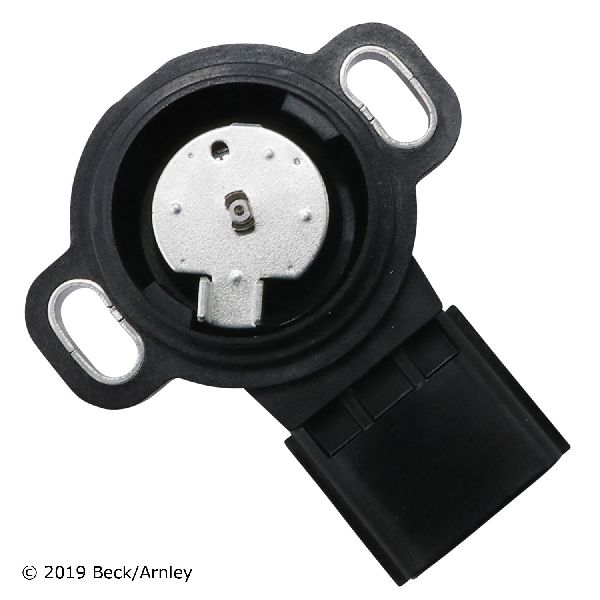
| Better Quality / OEM Supplier Reputation | Beck Arnley, Standard Ignition (SMP) | Beck Arnley has a reputation for often repackaging OEM parts, though this has become less consistent. Standard Motor Products (SMP) is a well-known aftermarket manufacturer; their standard red box or premium Blue Streak lines are generally considered reliable. A positive review was found for a Beck Arnley TPS on a 2003 Protege. |
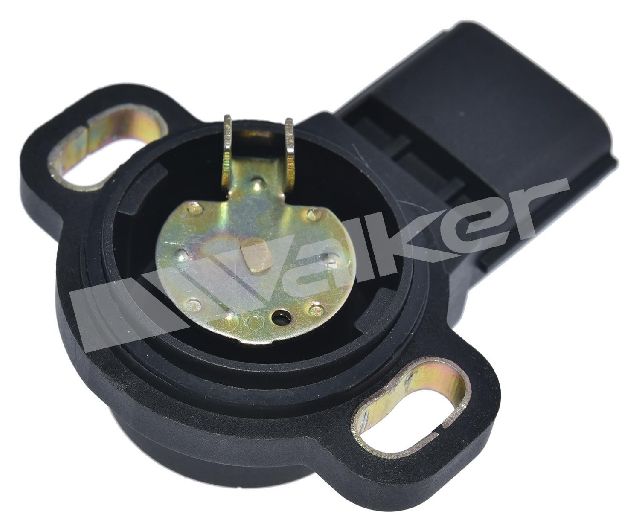
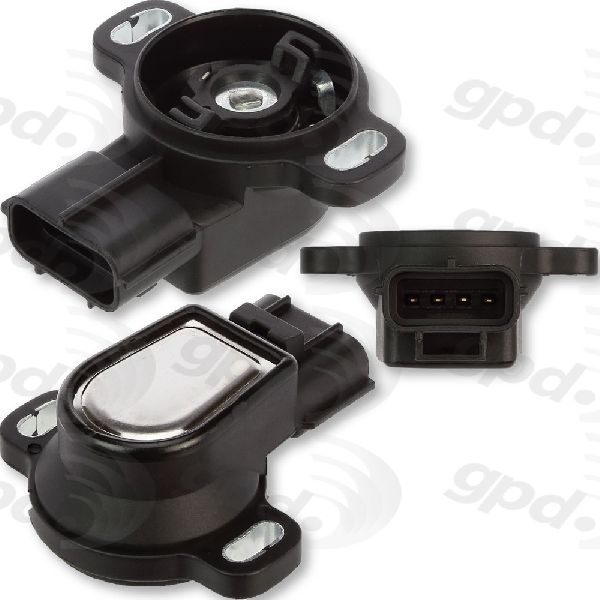
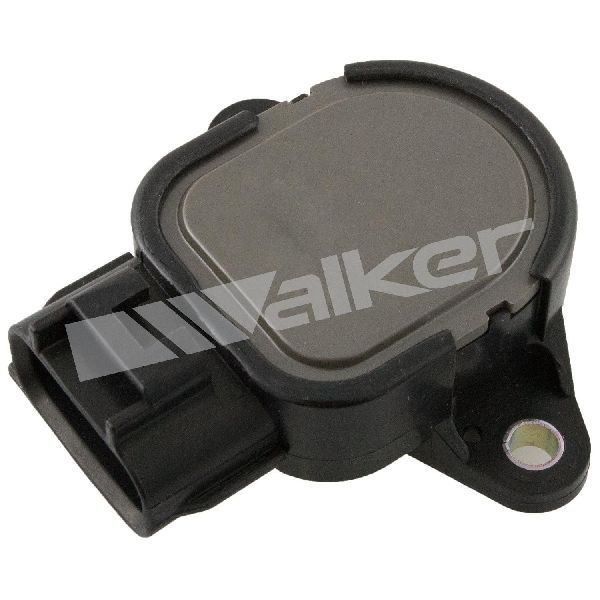
| Standard / Economy | Walker Products, Global Parts (GPD), Replacement | These brands typically offer a balance of affordability and acceptable quality for daily driving. They are designed to meet original specifications and function as direct replacements. Quality can be inconsistent compared to premium brands, but they are a cost-effective solution. |
| Value-Oriented | Motorad | These are often the most budget-friendly options. While functional, their long-term durability may not match that of higher-priced brands. They are suitable for immediate repairs on a tight budget. |
Check Your Part Before Ordering
The 1995-2003 Protege spanned different engine sizes (1.5L, 1.6L, 1.8L, 2.0L). Always verify the part number and connector type against your existing sensor to ensure you order the correct one for your specific year and engine.
Frequently Asked Questions (FAQ)
Do I need to calibrate the new throttle position sensor?
Some Protege models, particularly later ones, may require adjustment or a relearn procedure for the new TPS. A common DIY method involves disconnecting the battery for several minutes to reset the ECU, then turning the ignition to 'ON' for a minute before starting the engine to allow the computer to learn the new sensor's closed-throttle position. For precise adjustment, a multimeter can be used to set the voltage to factory specifications.
Can I just clean my old TPS?
While some owners have had temporary success cleaning the sensor with electronics cleaner, it is generally not a long-term fix. The TPS fails due to internal wear on its electrical contacts, which cleaning cannot repair. If the sensor is sending faulty signals, replacement is the only reliable solution.
Is it difficult to replace the TPS myself?
No, for most DIY mechanics, this is a relatively simple job. The TPS is mounted to the throttle body with two screws. The process involves disconnecting the battery, unplugging the sensor's electrical connector, removing the two screws, and swapping the old sensor for the new one. Access can sometimes be tight, but it typically requires only basic hand tools.
Are there any recalls for the Protege throttle position sensor?
Searches of the National Highway Traffic Safety Administration (NHTSA) database and Mazda recall announcements did not find any specific recalls for the throttle position sensor on 1995-2003 Mazda Protege models. There are some TSBs related to throttle body issues that cause similar symptoms, but not for the sensor itself.
Technical Specifications
OEM Part Numbers: FS0113SL0 FS01-13-SL0 F32Z9B989B
Typically a 3-pin or 4-pin variable resistor sensor mounted on the throttle body. Output voltage generally ranges from around 0.5V at closed throttle to about 4.5V at wide-open throttle.
We Have This Part in Stock


The information in this article is provided for general reference and educational purposes only. Vehicle specifications, procedures, and part compatibility can vary by production date, trim level, and region. Always consult your vehicle's factory service manual and verify part numbers before purchasing or performing repairs. Safety-critical components such as airbags, seat belts, and braking systems should be installed by a qualified professional.
- Mazda Protege: