

A Guide to Replacing the Oxygen Sensor on Your 1995-2003 Mitsubishi Mirage
Fix poor fuel economy and a check engine light by understanding and replacing your Mirage's O2 sensor.
- Prioritize Denso or NGK/NTK brands for the best reliability and OEM-like performance on your Mirage.
- Always buy a 'direct-fit' sensor to avoid cutting and splicing wires.
- Confirm whether you need an upstream (before catalytic converter) or downstream (after catalytic converter) sensor before ordering.
- Replacing a bad O2 sensor can restore fuel economy, improve engine smoothness, and is necessary to pass an emissions test.
Is Your Mirage's Oxygen Sensor Failing?
A bad oxygen sensor is a common problem that can cause several issues with your 1995-2003 Mitsubishi Mirage. When this sensor fails, it sends incorrect information to the engine's computer, leading to an improper air-fuel mixture. This can result in poor performance and potentially damage other expensive components like the catalytic converter over time.
Key Symptoms of a Bad O2 Sensor:
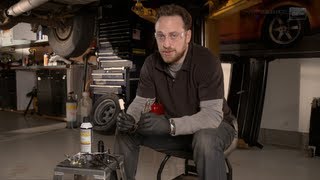
- Check Engine Light: This is the most common sign. The light may be triggered by fault codes related to the O2 sensor's circuit or performance, such as P0130, P0135, P0141, or P0171. 🎬 Watch: How to diagnose and fix O2 sensor heater circuit codes.
- Poor Fuel Economy: A faulty sensor can cause the engine to run rich, meaning it uses too much fuel. You'll notice you're filling up your gas tank more often.
- Rough Idle and Poor Performance: Your Mirage might idle unevenly, hesitate during acceleration, or feel sluggish. This happens because the engine isn't getting the right fuel mixture for a smooth burn.
- Failed Emissions Test: An incorrect air-fuel ratio leads to higher levels of pollutants in the exhaust, which will cause your vehicle to fail a smog check.
- Rotten Egg Smell: A very rich fuel mixture can cause a sulfur-like smell from the exhaust as the catalytic converter gets overwhelmed.
Don't Ignore the Signs
While you can drive with a bad O2 sensor, it's not recommended for long. Continuing to drive can lead to significantly worse fuel mileage and can eventually cause permanent damage to your catalytic converter, a much more expensive repair.
Choosing the Right Aftermarket Oxygen Sensor
When shopping for a new oxygen sensor, you'll find several brands. For the 1995-2003 Mirage, quality can vary. It's important to choose a reliable brand to avoid replacing the part again prematurely.
OEM-Quality Brands:
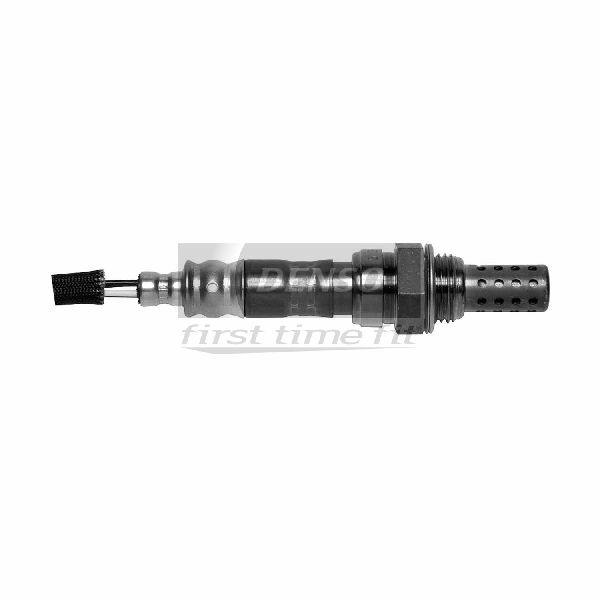
- Denso: Denso is a well-regarded original equipment manufacturer for many Japanese vehicles, including Mitsubishi. Choosing a Denso sensor is the closest you can get to the original part's performance and longevity.
- NGK/NTK: NGK (under their sensor brand NTK) is another top-tier OEM supplier for oxygen sensors. They are known for their reliability and are often considered an OEM equivalent.
Reputable Aftermarket Brands:
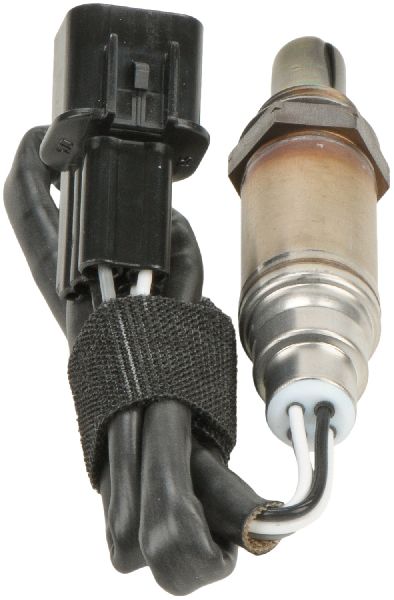
- Bosch: Bosch invented the automotive oxygen sensor and is a major OEM supplier worldwide. While their direct-fit sensors are generally reliable, some owners in forums prefer to stick with Denso or NGK for Japanese vehicles to ensure perfect compatibility.
- Delphi: Delphi is another established brand that produces reliable aftermarket sensors.
Budget-Friendly Options:
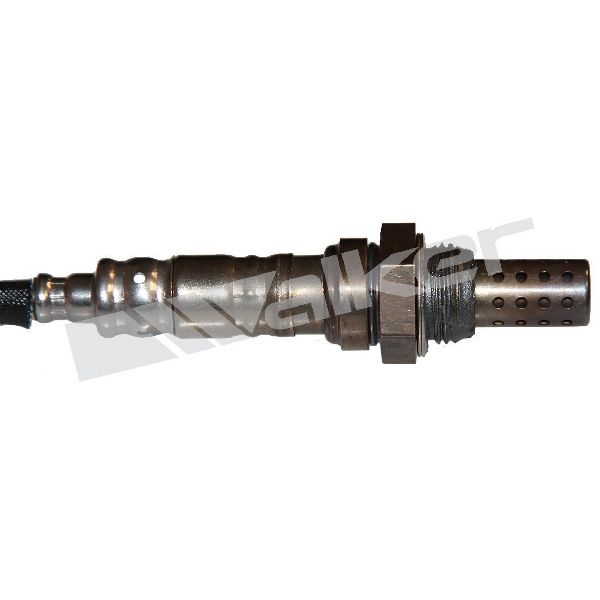
- Walker Products, DriveWire, Spectra: These brands offer a more affordable alternative. They can be a good choice if budget is your primary concern, but they may not have the same lifespan as OEM-quality brands.
Direct-Fit vs. Universal Sensors
Always choose a "Direct-Fit" sensor. These come with the correct electrical connector for your Mirage, making installation a simple plug-and-play process. 🎬 See this step-by-step walkthrough for replacing your oxygen sensor. "Universal" sensors require you to cut your old connector and splice it onto the new sensor's wires, which can lead to connection problems if not done perfectly.
Cost of Replacing a Mitsubishi Mirage Oxygen Sensor
The cost will depend on the brand you choose and whether you do the work yourself or hire a mechanic.
| Part/Service | Estimated Cost |
|---|---|
| New Aftermarket Oxygen Sensor | $25 - $150 |
| Shop Labor | $80 - $150 |
| Total (DIY) | $25 - $150 |
| Total (Shop) | $105 - $300 |
Frequently Asked Questions (FAQ)
How many oxygen sensors does my 1995-2003 Mirage have?
Most 1995-2003 Mirages have two oxygen sensors. One is the "upstream" sensor (also called Bank 1, Sensor 1) located on the exhaust manifold before the catalytic converter. The other is the "downstream" sensor (Bank 1, Sensor 2) located after the catalytic converter. Some models, particularly those with California Emissions, may have different configurations, so always verify the location of the sensor you need to replace.
What tools do I need to replace the oxygen sensor?
You will need a special oxygen sensor socket, which has a slot for the wire to pass through. You'll also need a ratchet, possibly an extension, and some penetrating oil to help loosen the old sensor, as it can be rusted in place.
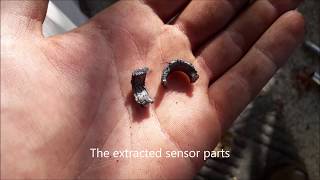
🎬 Watch: What to do if your Mirage oxygen sensor snaps off.Can I clean my old oxygen sensor?
It is not recommended to clean an oxygen sensor. The sensing elements are delicate, and cleaning solvents can cause permanent damage. By the time a sensor is performing poorly enough to cause symptoms, it is usually at the end of its life and should be replaced.
Is replacing an O2 sensor a difficult job?
For most DIY mechanics, this is a relatively easy job. The main difficulty is often just getting enough leverage to remove the old, seized sensor. The sensors are usually accessible from under the car or in the engine bay.
Helpful Videos
Technical Specifications
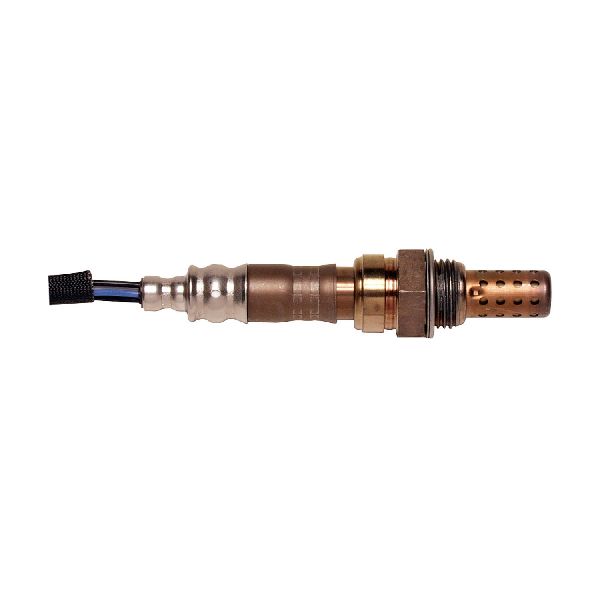
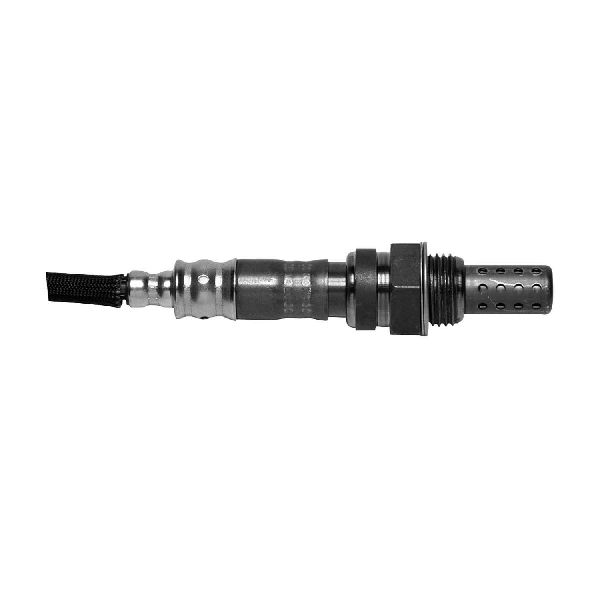
OEM Part Numbers: MD313819 MD315033 MD336511 MR507849 MR507850
Most 1995-2003 Mitsubishi Mirage models use a heated, 4-wire oxygen sensor. The specific sensor (upstream or downstream) and connector type will vary by year, engine size (1.5L or 1.8L), and emissions standard (Federal or California). Always verify the part fitment for your specific vehicle.
We Have This Part in Stock


The information in this article is provided for general reference and educational purposes only. Vehicle specifications, procedures, and part compatibility can vary by production date, trim level, and region. Always consult your vehicle's factory service manual and verify part numbers before purchasing or performing repairs. Safety-critical components such as airbags, seat belts, and braking systems should be installed by a qualified professional.
- Mitsubishi Mirage:
- 🎬 Helpful Videos
- 🛍️ Shop This Part
- Is Your Mirage's Oxygen Sensor Failing?
- Key Symptoms of a Bad O2 Sensor:
- Don't Ignore the Signs
- Choosing the Right Aftermarket Oxygen Sensor
- Direct-Fit vs. Universal Sensors
- Cost of Replacing a Mitsubishi Mirage Oxygen Sensor
- Frequently Asked Questions (FAQ)
- 🎟️ Get 5% Off