

Your Guide to the 1995-2003 Nissan Maxima Throttle Position Sensor
If your Maxima hesitates, idles poorly, or shifts erratically, the throttle position sensor could be the culprit.
- Hitachi is the original equipment manufacturer, making it the most reliable aftermarket choice.
- A new TPS must be adjusted or calibrated after installation; it is not a simple plug-and-play part on this vehicle.
- Symptoms of a bad TPS, like poor acceleration and harsh shifting, can often be mistaken for a failing transmission.
- Ensure you buy the correct part for your specific year, as the sensor can differ between the 1995-1999 and 2000-2003 models.
Is Your Maxima's TPS Failing?
A failing throttle position sensor can cause a range of frustrating problems that often get worse over time. Because the TPS is involved in both engine and transmission control, symptoms can be confusing. You might even think your transmission is failing when it's actually this small sensor. Look for these common signs.
Common Symptoms of a Bad TPS:
- Hesitation or Stumbling: The car may hesitate or feel like it's losing power when you accelerate.
- Rough or Unstable Idle: The engine might idle too high, too low, or surge up and down on its own.
- Poor Acceleration: The car feels sluggish and lacks power, no matter how hard you press the gas pedal.
- Harsh or Incorrect Shifting: The automatic transmission may shift at the wrong times, shift harshly, or seem to slip.
- Stalling: The engine may stall unexpectedly, especially when you let off the gas or come to a stop.
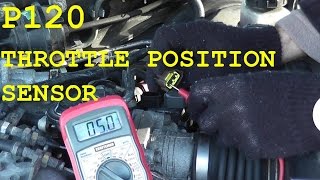
- Check Engine Light: A bad TPS will almost always trigger a Check Engine Light, with code P0120 being the most common. 🎬 Watch: How to test and replace the TPS for code P0120
A Note on Generation Differences (A32 vs. A33)
The 1995-2003 Maxima covers two different generations: the A32 (1995-1999) and the A33 (2000-2003). These cars use different engines and can have different TPS designs. It is critical to order the part that is specified for your exact model year to ensure proper fit and function.
Choosing the Right Aftermarket TPS
When it comes to electronic sensors for your Maxima, not all aftermarket brands are created equal. For a part this critical to drivability, choosing a quality component is key. Here’s a breakdown of the available brands.
Tier 1: OEM Manufacturer
- Hitachi: Hitachi is widely recognized as the Original Equipment Manufacturer (OEM) for many of Nissan's electronic parts, including the TPS. Choosing a Hitachi sensor is the closest you can get to buying the part from a Nissan dealer, ensuring the best fit and performance.
Tier 2: High-Quality Aftermarket
- Delphi: Delphi is a major OE supplier for many car brands and has a strong reputation for producing reliable electronic components that are tested to OE standards.
- Standard Ignition (SMP): A well-respected aftermarket brand that engineers its parts to meet or exceed original specifications. They are known for rigorous testing and broad coverage.
Tier 3: Reputable Value Brands
- Beck Arnley: This brand sources parts from a variety of manufacturers, often including OEM suppliers. They focus on providing a part that matches the original in form, fit, and function.
- Walker Products: An established company specializing in fuel and engine management parts. They engineer their sensors to be direct-fit replacements with OE-level quality.
Tier 4: Budget-Friendly Options
- Global Parts / Replacement: These brands offer a functional, low-cost alternative. While they can get your car back on the road, they may not have the same long-term durability or precise calibration as the higher-tier brands.
Pro Tip: Check Before You Replace
Before spending money on a new part, make sure the electrical connector for the TPS is clean and making a solid connection. Sometimes, a loose or corroded connector can mimic the symptoms of a failed sensor. Also, the screws holding the sensor can be difficult to remove, so spray them with a penetrating oil like PB Blaster before you begin.
Cost of Replacing a Maxima TPS
The cost will vary based on the brand you choose and whether you do the work yourself or hire a professional.
| Item | Estimated Cost |
|---|---|
| New Aftermarket TPS | $27 - $147 |
| New OEM (Dealer) TPS | $150 - $250 |
| Shop Labor & Calibration | $100 - $180 |
| Total Professional Replacement | $127 - $430 |
Frequently Asked Questions
Is it hard to replace the TPS on a 1995-2003 Maxima?
The physical replacement is easy for a DIYer. It's held on by two screws and has an electrical connector. However, the critical part of the job is the adjustment that must be done after installation. Failure to properly adjust the new sensor will result in continued performance problems.
🎬 See this walkthrough on how to replace and adjust the sensorDoes a new TPS need to be calibrated or adjusted?
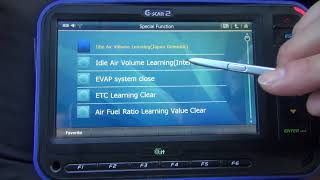
Yes, for this generation of Maxima, adjustment is not optional. The procedure varies by year. Earlier models (1995-1999) often require a multimeter and feeler gauges to set the sensor's position correctly. Later models (2000-2003) may require an "Idle Air Volume Learning" procedure, which is a specific sequence of steps to reset the ECU's memory. 🎬 Watch: Step-by-step guide for the Idle Air Volume Learning procedure Always consult a repair manual for your specific vehicle's procedure.
Can I just clean my old TPS?
Cleaning the outside of the throttle body is good practice, but the TPS is a sealed electronic sensor. The failure happens inside the unit where a wiper arm wears down the resistive material. Cleaning will not fix a worn-out sensor.
Were there any recalls for the Maxima TPS?
No, searches of the National Highway Traffic Safety Administration (NHTSA) database did not show any specific recalls for the throttle position sensor on the 1995-2003 Nissan Maxima.
Helpful Videos

Technical Specifications
OEM Part Numbers: 22620-31U01 22620-31U0A 22620-31U11 22620-7Y000 SERA484-1
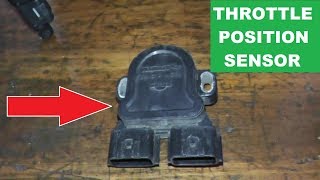
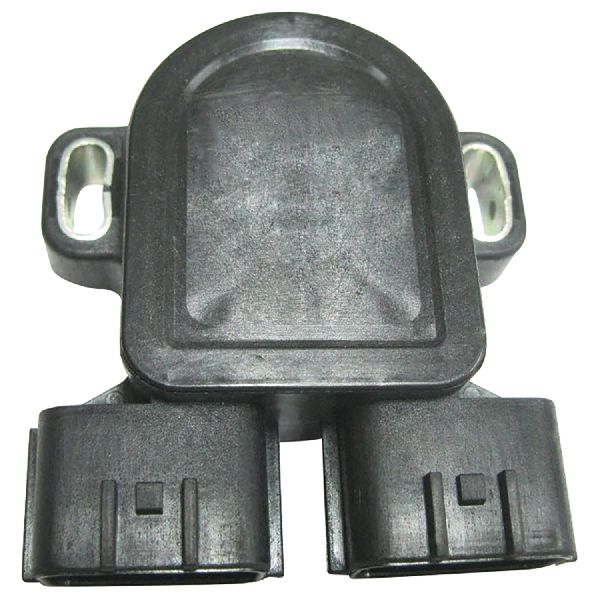
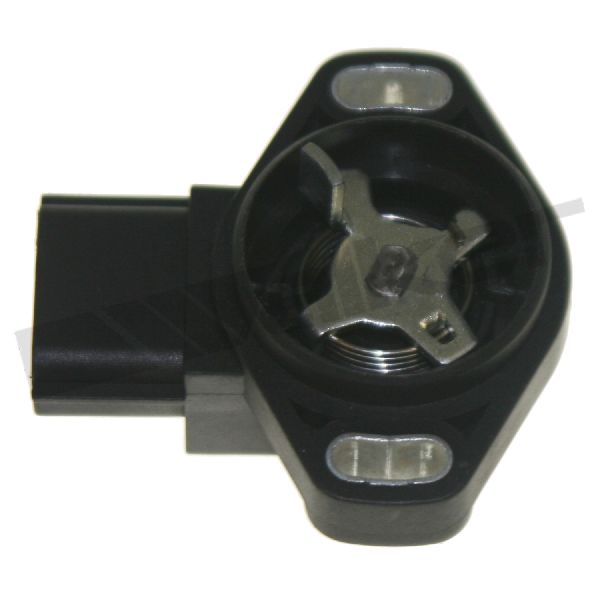
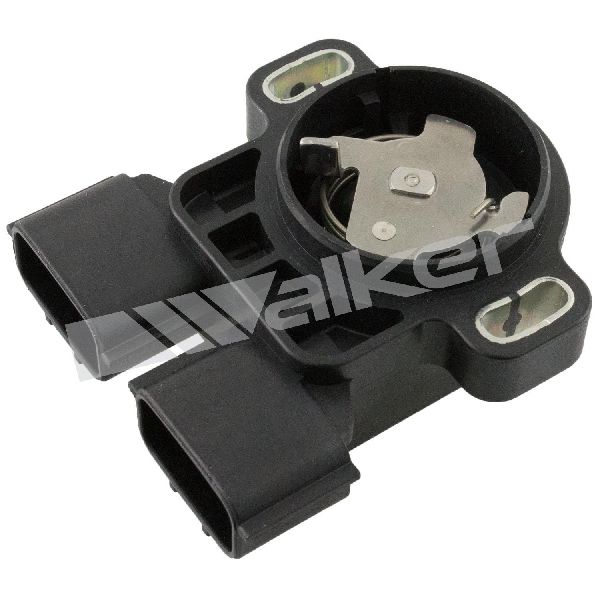
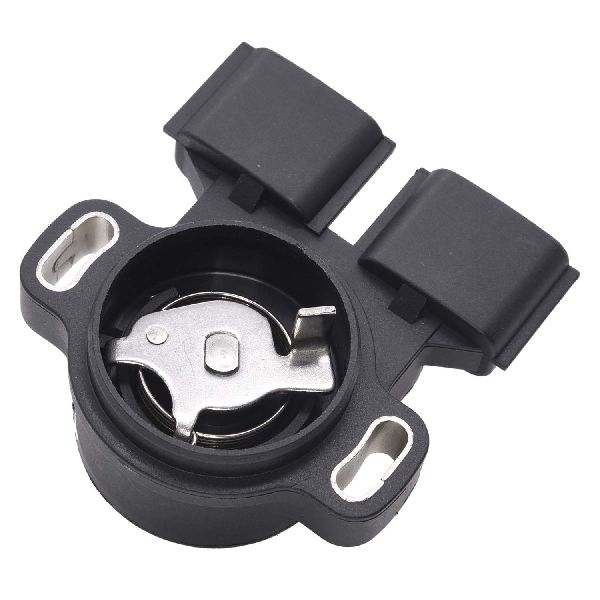
The 1995-2003 Nissan Maxima uses an adjustable potentiometer-style Throttle Position Sensor. It often includes an integrated closed-throttle position switch. The sensor has slotted mounting holes to allow for precise calibration during installation.
We Have This Part in Stock

The information in this article is provided for general reference and educational purposes only. Vehicle specifications, procedures, and part compatibility can vary by production date, trim level, and region. Always consult your vehicle's factory service manual and verify part numbers before purchasing or performing repairs. Safety-critical components such as airbags, seat belts, and braking systems should be installed by a qualified professional.
- Nissan Maxima:
- 🎬 Helpful Videos
- 🛍️ Shop This Part
- Is Your Maxima's TPS Failing?
- Common Symptoms of a Bad TPS:
- A Note on Generation Differences (A32 vs. A33)
- Choosing the Right Aftermarket TPS
- Tier 1: OEM Manufacturer
- Tier 2: High-Quality Aftermarket
- Tier 3: Reputable Value Brands
- Tier 4: Budget-Friendly Options
- Pro Tip: Check Before You Replace
- Cost of Replacing a Maxima TPS
- Frequently Asked Questions
- 🎟️ Get 5% Off