

Your Guide to the 1995-2003 Oldsmobile Aurora Throttle Position Sensor
Fixing erratic idle or poor acceleration on your Aurora often starts with this critical sensor.
- A failing TPS on an Aurora causes clear symptoms like erratic idle, poor acceleration, and Check Engine Light codes like P0121 or P0122.
- Replacement is a simple, DIY-friendly job requiring basic tools and less than an hour of your time.
- While symptoms can overlap, cleaning the throttle body at the same time is a wise step to ensure a complete repair.
- Choosing a premium aftermarket brand like Delphi or Standard Ignition is recommended for reliability and to avoid repeat failures.
Understanding the Throttle Position Sensor on Your Aurora
The Throttle Position Sensor (TPS) on the 1995-2003 Oldsmobile Aurora is a key part of the engine management system. It's a simple sensor that reads the angle of the throttle blade. This information is critical for the Powertrain Control Module (PCM) to deliver the right amount of fuel and adjust ignition timing. When it fails, the computer gets bad information, leading to a host of drivability problems. For Aurora owners, a faulty TPS can cause everything from a rough idle and stalling to poor fuel economy and even problems with the automatic transmission shifting.
Common Symptoms of a Failing Aurora TPS
When a TPS starts to fail, it can send erratic or incorrect voltage signals to the engine computer. This can happen intermittently at first, making it tricky to diagnose. Here are the most common signs that your Aurora's TPS may be failing:
- Check Engine Light: This is often the first sign. The PCM will store trouble codes related to the TPS, such as P0121, P0122, or P0123.
- Erratic or High Idle: The engine may idle much higher than normal, or the idle speed may surge up and down.
- Poor Acceleration: You might notice a hesitation or stumble when you press the gas pedal. The car may feel sluggish and lack power.
- Stalling: The engine may stall unexpectedly, especially when you come to a stop or when the engine is at idle.
- Transmission Shifting Problems: On automatic models, a bad TPS can cause harsh, delayed, or erratic shifting because the transmission computer relies on the TPS signal to time shifts correctly.
Is It the TPS or Something Else?
Some symptoms of a bad TPS can be similar to those of a dirty throttle body. While replacing the sensor, it's a good idea to clean the throttle body bore and plate with a dedicated throttle body cleaner to ensure smooth operation and rule out other issues.
Choosing the Right Aftermarket TPS Brand
Since new OEM parts for the Aurora are becoming scarce, the aftermarket is your most likely source. Quality can vary, so it's important to choose wisely. Brands can generally be grouped into tiers based on reputation and owner feedback.
- Premium Aftermarket (Closer to OEM): Brands like Delphi, NGK, and Standard Motor Products (SMP) are often considered top-tier choices. Delphi was a major GM supplier, so their parts are often seen as being close to original quality. Forum users frequently recommend Delphi for GM applications.
- Mid-Grade / Value Aftermarket: Brands like Dorman and Walker Products offer a balance of affordability and performance. They are a common choice for DIY repairs, though some forum discussions suggest their longevity can sometimes be hit-or-miss compared to premium brands.
- Economy Brands: Brands listed as "Replacement" or other less-known names like URO Parts generally fall into the economy category. They are the most budget-friendly option but may have a higher variance in quality and lifespan.
Pro Tip: For critical sensors like the TPS, spending a little more on a reputable brand like Delphi or Standard Ignition can prevent you from having to do the job again in the near future.
Cost of Replacing an Oldsmobile Aurora TPS
The cost to replace the TPS on a 1995-2003 Aurora is very reasonable, especially if you do it yourself. The job is straightforward and requires basic hand tools.
| Part/Service | Estimated Cost |
|---|---|
| New Aftermarket TPS | $24 - $72 |
| Shop Labor | $65 - $125 |
| DIY Total | $24 - $72 |
| Shop Total | $89 - $197 |
Frequently Asked Questions
Is replacing the Aurora TPS a DIY-friendly job?
Yes, this is a great job for beginners. The TPS is located on the side of the throttle body and is typically held on by just two Torx screws. You'll need to remove the air intake ducting for access, unplug the sensor, remove the screws, and swap the part. The entire process usually takes less than an hour.
Do I need to calibrate the new TPS?
For this generation of GM vehicles, a specific calibration procedure is not always required, but an idle relearn procedure is recommended. After installing the new sensor and reconnecting the battery, start the engine and let it idle for several minutes to allow the computer to adjust to the new sensor's readings. Some sources mention a manual adjustment by slightly rotating the sensor to achieve a specific voltage (around 0.5V at idle), but many aftermarket sensors do not have slotted holes for adjustment.
Were there any recalls for the Aurora's throttle position sensor?
No, there were no specific recalls for the throttle position sensor itself. There was a recall for the 1995-1997 Aurora models related to a fuel rail leak (NHTSA Recall 04V-110), but this did not involve the TPS.
What's the difference between the first and second generation Aurora TPS?
The 1995-1999 (first generation) and 2001-2003 (second generation) Auroras used different engines (4.0L V8, and later a 3.5L V6). However, many GM vehicles from this era shared electronic components. The primary TPS used across many GM platforms, including the Aurora, was a common design. Always use a fitment checker to ensure you are buying the correct part number for your specific year and engine.
Technical Specifications
OEM Part Numbers: 17123852 213-912
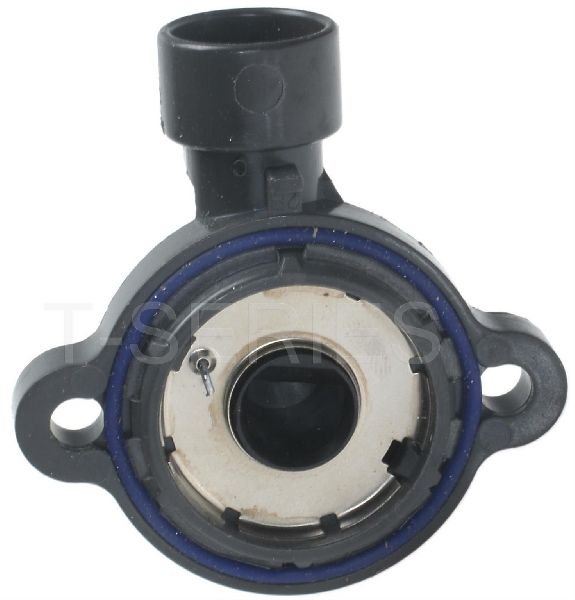
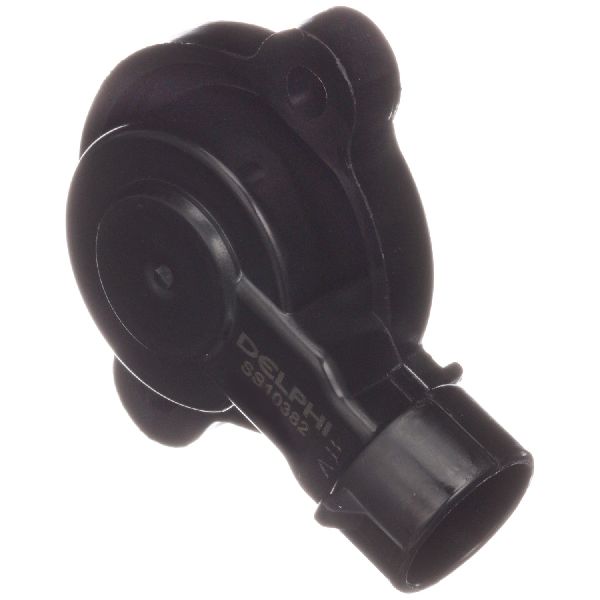
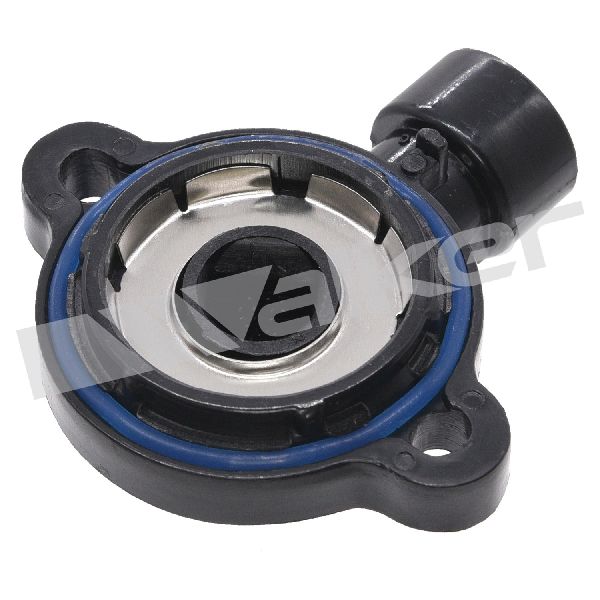
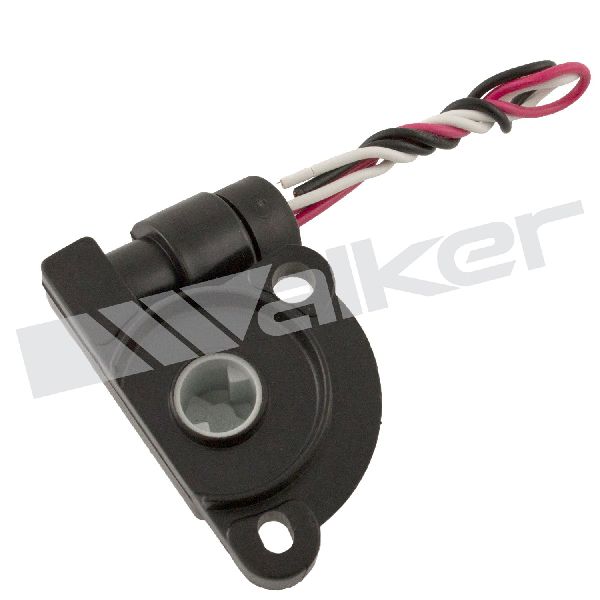
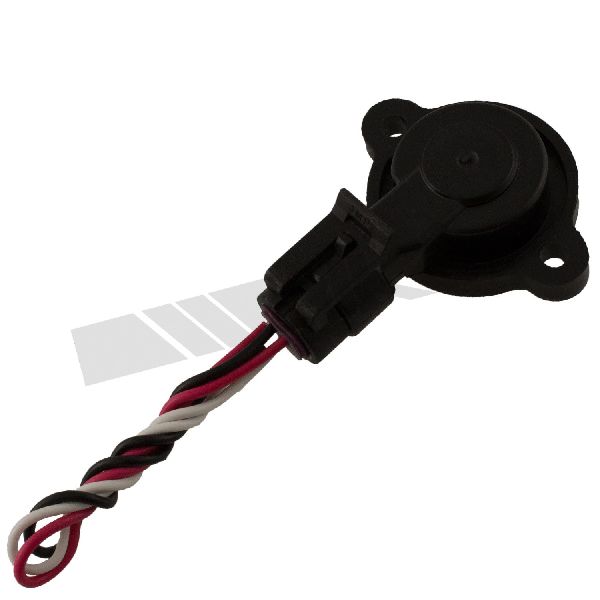
3-pin, blade-type, screw-mounted potentiometer sensor located on the throttle body.
We Have This Part in Stock


The information in this article is provided for general reference and educational purposes only. Vehicle specifications, procedures, and part compatibility can vary by production date, trim level, and region. Always consult your vehicle's factory service manual and verify part numbers before purchasing or performing repairs. Safety-critical components such as airbags, seat belts, and braking systems should be installed by a qualified professional.
- Oldsmobile Aurora: