

Volkswagen Golf Intercooler Hose Guide for 1995-2003 Models
Restore lost power and fix boost leaks in your TDI or 1.8T Golf by understanding how to choose the right intercooler hose.
- A sudden loss of power, hissing noise, and black smoke are classic signs of a failed intercooler hose.
- Check for a P0299 underboost code, which strongly points to a leak in the charge air system.
- An oily film on the outside of a hose is a tell-tale sign of a leak, as escaping air carries oil mist with it.
- Upgrading to silicone hoses can provide better durability against heat and oil compared to standard rubber.
Symptoms of a Failing Intercooler Hose
A failed intercooler hose, also known as a boost leak, is a common problem on the Mk4 Golf platform (1999.5-2003) and can happen on earlier models with turbocharged engines. The stock rubber hoses can become brittle from heat and exposure to oil vapor, leading to cracks, splits, or the connection points wearing out. When a hose fails, the symptoms are usually immediate and obvious.
Key Failure Symptoms
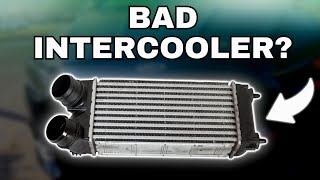
🎬 Watch this video to identify common symptoms of a bad intercooler.- Significant Loss of Power: Your Golf will feel sluggish and unresponsive, especially when you try to accelerate. This is because the pressurized air from the turbo is escaping instead of going into the engine.
- Hissing or Whooshing Sounds: A distinct hissing or whistling noise from the engine bay that gets louder as the turbo spools up is a classic sign of escaping air.
- Black Smoke from Exhaust (Especially on TDI): When air escapes, the engine's fuel-to-air ratio becomes too rich (too much fuel). This unburnt fuel is expelled as black smoke from the exhaust.
- Check Engine Light: A major leak will often trigger the Check Engine Light. The most common trouble code is P0299 (Turbocharger/Supercharger Underboost Condition), which is a clear indicator of a boost leak.
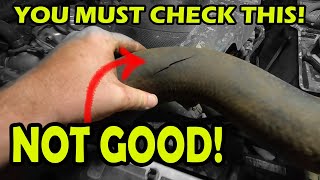
- Oily Residue on Hoses: The engine's crankcase ventilation system can leave a light film of oil inside the intake tract. When a hose leaks, this oil mist is blown onto the outside of the hose and surrounding engine components, leaving a greasy film that is a tell-tale sign of a leak's location. 🎬 Learn more about common turbo diesel issues and simple solutions.
Choosing the Right Aftermarket Intercooler Hose
When replacing a failed hose, you have options beyond the dealer part. Aftermarket parts are widely available and can sometimes offer better performance and durability than the original.
OEM vs. Aftermarket Quality
For the 1995-2003 Golf, the original equipment (OEM) hoses were made of rubber that is prone to degradation over time. Aftermarket manufacturers often use higher-grade materials.
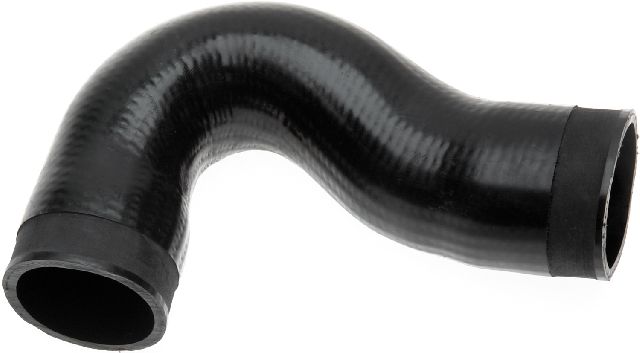
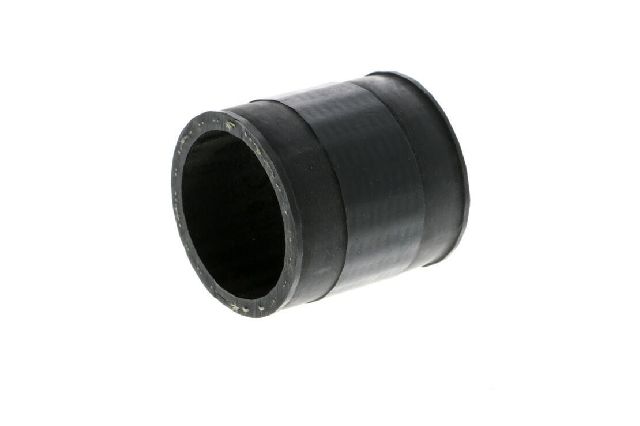
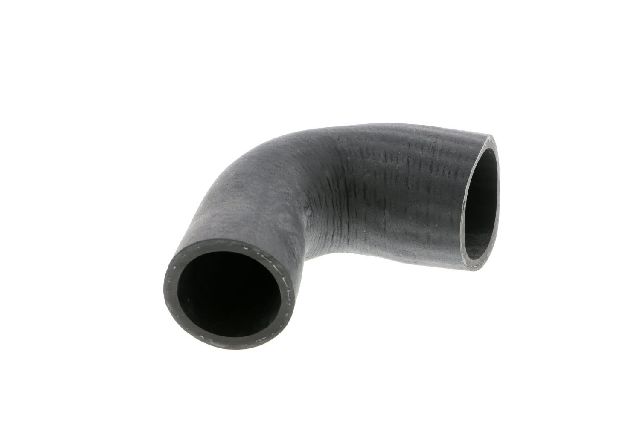
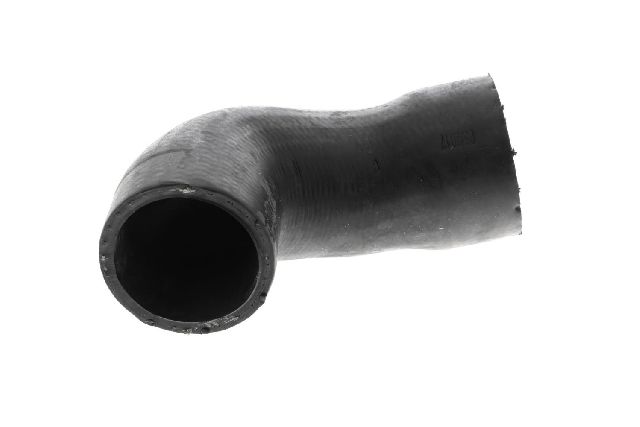
- Standard Aftermarket (Vaico, etc.): Brands like Vaico offer direct-replacement rubber hoses that meet or exceed original specifications. They are a cost-effective solution for a daily driven vehicle and function as a stock replacement.
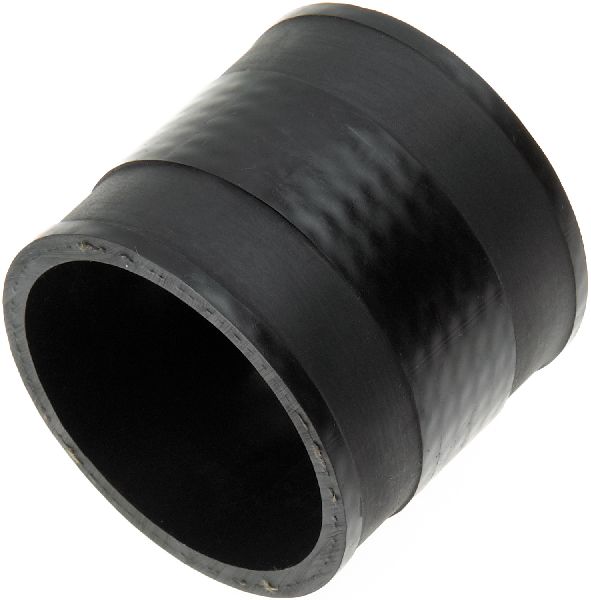
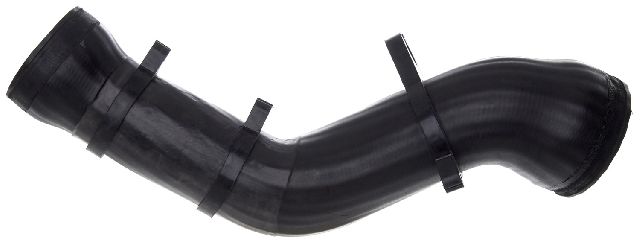
- Upgraded Aftermarket (Gates, Silicone Kits): Gates is a well-respected brand that often supplies parts to vehicle manufacturers and offers high-quality aftermarket replacements. For enthusiasts, multi-ply silicone hose kits are a popular upgrade. Silicone is more resistant to heat, oil, and pressure than rubber, providing greater longevity and reliability, especially on modified or tuned vehicles.
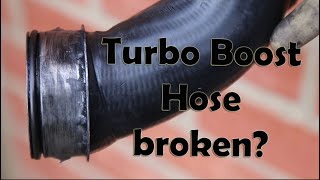
Pro Tip: Many failures on the Mk4 Golf TDI and 1.8T occur at the quick-connect fittings, where the plastic or metal tabs wear down, causing the hose to pop off under pressure. When buying a replacement, ensure it comes with new, robust connectors or that your existing clips are in good condition.
How Much Does an Intercooler Hose Replacement Cost?
The cost can vary depending on which hose needs replacement (there are several in the system), the brand you choose, and labor rates in your area. The job is feasible for a DIY mechanic with basic tools.
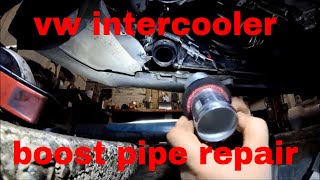
🎬 Follow this step-by-step guide to replace your VW Golf boost hose.| Part/Service | Estimated Cost |
|---|---|
| New Aftermarket Intercooler Hose | $26 - $157 |
| New OEM Intercooler Hose | $65 - $250+ |
| Estimated Shop Labor | $110 - $200 |
Frequently Asked Questions (FAQ)
Can I drive with a leaking intercooler hose?
You can, but it's not recommended for long. Your car will have very low power, poor fuel economy, and will produce excess smoke. Driving for extended periods could put extra strain on the turbocharger and potentially lead to other issues.
Why did my intercooler hose fail?
Hoses fail due to age, heat cycles, and exposure to oil vapor from the crankcase ventilation system. This combination causes the rubber to become hard and brittle, leading to cracks. The constant pressure changes can also cause weak points to split open or connectors to wear out.
Should I replace just the one bad hose or all of them?
If one hose has failed due to age, the others are likely not far behind. While you can replace just the failed hose to get back on the road, it is a good preventative measure to replace them as a set, especially if you are opting for an upgraded silicone kit.
Can I just use tape to fix a cracked hose?
No. The charge pipe system is under significant pressure when the turbo is active. Tape or simple patches will blow off almost immediately and cannot be considered a repair.
Helpful Videos
Technical Specifications
OEM Part Numbers: 1J0145838B 1J0145838AF 1K0145832B
This guide covers various rubber and silicone hoses that connect the turbocharger, intercooler, and intake manifold. Hoses vary by engine code (e.g., ALH, AWP) and model year. Always verify the specific part number for your vehicle's engine.
We Have This Part in Stock

The information in this article is provided for general reference and educational purposes only. Vehicle specifications, procedures, and part compatibility can vary by production date, trim level, and region. Always consult your vehicle's factory service manual and verify part numbers before purchasing or performing repairs. Safety-critical components such as airbags, seat belts, and braking systems should be installed by a qualified professional.
- Volkswagen Golf: