

Engine Coolant Temperature Sensor Guide for 1995-2004 Chrysler Cirrus
Everything a Cirrus owner needs to know about diagnosing and replacing a faulty engine coolant temperature sensor.
- A bad ECT sensor can cause a Check Engine Light, poor fuel economy, overheating, and rough running.
- For Chrysler vehicles, using an OEM (Mopar) or OEM-supplier (NGK/NTK) sensor is highly recommended to avoid compatibility issues.
- Replacement is a simple DIY task that usually takes less than an hour with basic tools.
- There are no known recalls or major TSBs for this specific part on the 1995-2004 Chrysler Cirrus.
Is Your Chrysler Cirrus Showing Signs of a Bad Coolant Temp Sensor?
A failing Engine Coolant Temperature (ECT) sensor can cause a surprising number of problems. Because the engine's computer relies on the sensor's data for so many functions, a bad signal can make your Cirrus run poorly. The computer might think the engine is cold when it's hot, or hot when it's cold, leading to a cascade of issues. Recognizing the symptoms early can save you from poor performance, bad fuel economy, and potentially serious engine damage.
Symptoms of Failure
If your ECT sensor is going bad, you'll likely notice one or more of these common signs:
- Check Engine Light: This is often the first warning. The computer will detect a problem with the sensor's signal and trigger a light on your dashboard. Common trouble codes include P0115, P0117, and P0118.
- Poor Fuel Economy: If the sensor incorrectly tells the computer the engine is cold, the computer will enrich the fuel mixture, causing you to use more gas than necessary.
- Black Smoke from Exhaust: A very rich fuel mixture can result in unburned fuel exiting through the exhaust, creating visible black smoke.
- Engine Overheating: A faulty sensor might fail to signal the computer to turn on the cooling fans when the engine gets hot, leading to overheating.
- Rough Idle or Stalling: The wrong air-fuel mixture can make your engine run rough, especially at idle.
- Hard Starting: When the engine is warm, a bad sensor might tell the computer it's cold, leading to an incorrect fuel mixture that makes the car difficult to start.
No Recalls or TSBs Found
As of early 2026, searches of the National Highway Traffic Safety Administration (NHTSA) database show no specific recalls or Technical Service Bulletins (TSBs) for the engine coolant temperature sensor on the 1995-2004 Chrysler Cirrus.
Choosing the Right Aftermarket Sensor: Quality Matters
When it comes to electronic sensors for Chrysler vehicles, quality can vary significantly between brands. While budget-friendly options are available, forum discussions among Mopar vehicle owners often highlight problems with cheaper aftermarket sensors. These issues can include the vehicle's computer not recognizing the sensor, inaccurate readings, or premature failure, forcing you to do the job twice.
Here’s a breakdown of your options:
- Tier 1 (Best Bet): Mopar (OEM) or NGK/NTK
Mopar is the original equipment manufacturer and guarantees compatibility. However, forum users note that NGK (also known as NTK) is often the company that makes the sensor for Mopar. Choosing an NGK/NTK branded sensor can often get you OEM quality without the dealership price tag. - Tier 2 (Reputable Aftermarket): Delphi, Standard Ignition (SMP)
Brands like Delphi and Standard Motor Products have a long-standing reputation for producing reliable aftermarket parts. They are generally considered a safe choice if Mopar or NGK are not available. - Tier 3 (Budget Options): Other Brands
While brands like Four Seasons, Walker, and others offer the lowest prices, be aware of the potential for compatibility or longevity issues. For a critical sensor like the ECT, spending a little more for a trusted brand is often a wise investment to avoid future headaches.
Pro Tip: Check the Connector
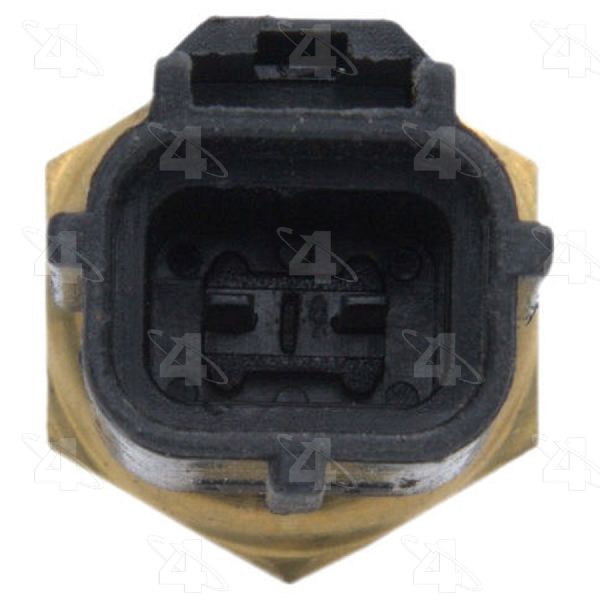
Before installing a new sensor, inspect the wiring harness connector for any corrosion or damage. A bad connection can mimic the symptoms of a failed sensor. If the connector looks green or has broken plastic, it should be replaced.
Cost of Replacing the Engine Coolant Temperature Sensor
| Part Type | Estimated Cost |
|---|---|
| New OEM (Mopar) | $45 - $120 |
| New Aftermarket | $12.96 - $117.51 |
| Shop Labor | $50 - $100 |
Frequently Asked Questions
Where is the coolant temperature sensor located on my Chrysler Cirrus?
The location depends on your engine. For 4-cylinder models, the sensor is typically found on the cylinder head near the intake manifold. For V6 models, it is usually located on the thermostat housing.
Can I replace this sensor myself?
Yes, this is a DIY-friendly job for most home mechanics. It requires basic tools, like a deep socket and ratchet. The engine must be completely cool before you begin. The job usually takes less than an hour.
Do I need to drain all the coolant to replace it?
Not usually. The sensor is often at a high point in the cooling system. If you work quickly and keep the radiator cap on, you will only lose a small amount of coolant. Have a drain pan ready to catch any spillage.
Is the sensor for the dashboard gauge the same as the one for the computer?
On many vehicles, there are two separate sensors: one for the ECU (the ECT sensor) and one for the temperature gauge on the dash (a sender). However, some cars use a single sensor for both functions. If your gauge is acting erratically but the car runs fine (or vice-versa), it's possible your Cirrus has two separate units.
Technical Specifications
OEM Part Numbers: 56027872 56027873
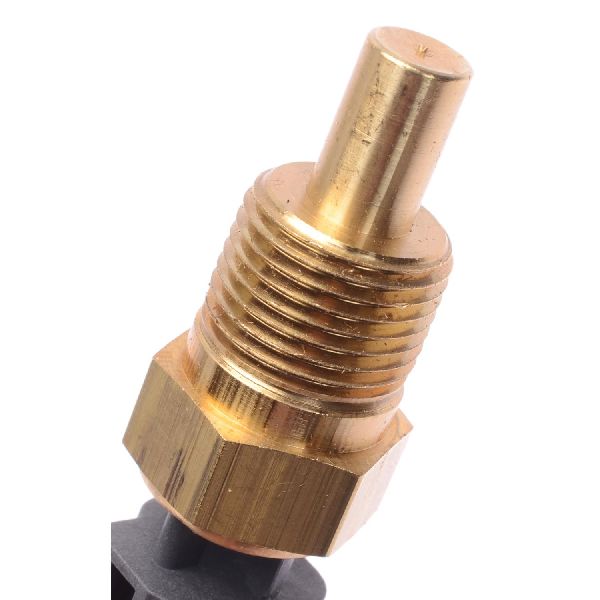
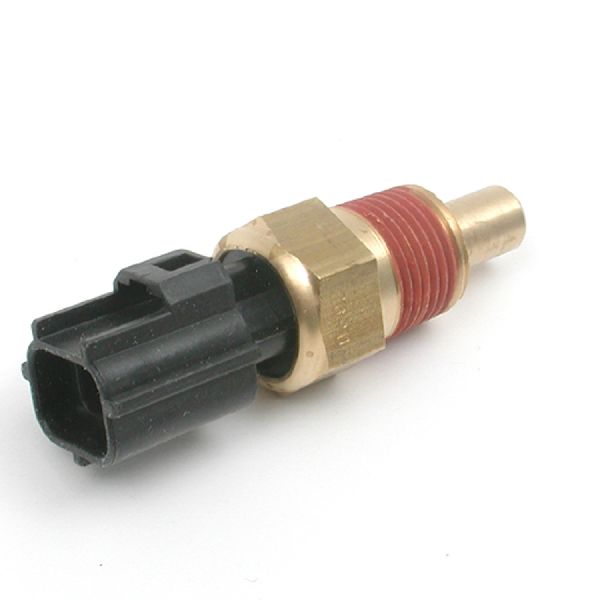
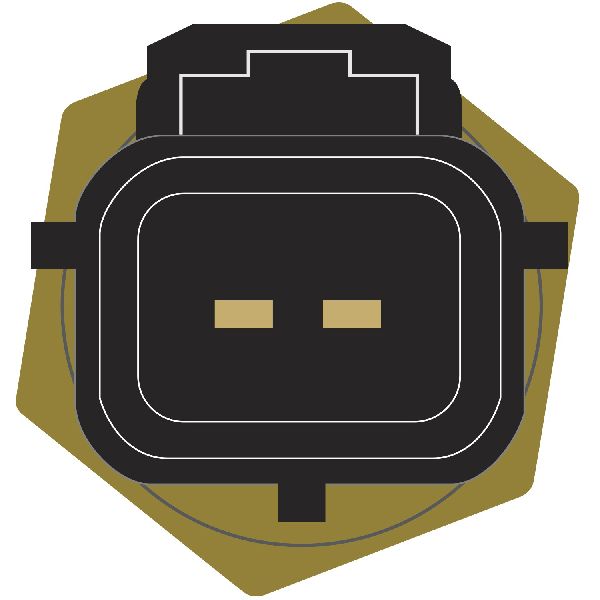
Typically a two-terminal, blade-type sensor that screws into the engine block, cylinder head, or thermostat housing.
We Have This Part in Stock


The information in this article is provided for general reference and educational purposes only. Vehicle specifications, procedures, and part compatibility can vary by production date, trim level, and region. Always consult your vehicle's factory service manual and verify part numbers before purchasing or performing repairs. Safety-critical components such as airbags, seat belts, and braking systems should be installed by a qualified professional.
- Chrysler Cirrus:
- 🛍️ Shop This Part
- Is Your Chrysler Cirrus Showing Signs of a Bad Coolant Temp Sensor?
- Symptoms of Failure
- No Recalls or TSBs Found
- Choosing the Right Aftermarket Sensor: Quality Matters
- Pro Tip: Check the Connector
- Cost of Replacing the Engine Coolant Temperature Sensor
- Frequently Asked Questions
- 🎟️ Get 5% Off