

Ford F-350 Mass Air Flow Sensor Guide for 1995-2004 Models
If your truck is running rough, hesitating, or getting poor gas mileage, a faulty Mass Air Flow sensor could be the culprit.
- A bad MAF sensor commonly causes a check engine light, rough idle, poor fuel economy, and hesitation.
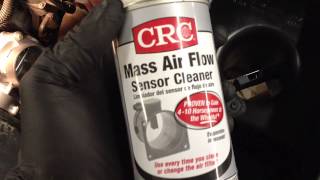
- Before replacing, try cleaning the sensor with a dedicated MAF sensor cleaner as it may be a temporary fix.
- Premium aftermarket brands like Delphi and NGK (NTK) are reliable alternatives to expensive or discontinued OEM parts.
- Replacement is a simple DIY task that takes less than 15 minutes with basic tools.
Is Your F-350's MAF Sensor Failing?
When the Mass Air Flow (MAF) sensor gets dirty or fails, it sends incorrect information to the engine's computer. This can cause a variety of noticeable problems because the engine isn't getting the right air-to-fuel ratio. The most common cause of failure is contamination from dirt, dust, and oil building up on the delicate sensor wire over time. An improperly installed or over-oiled aftermarket air filter is a frequent source of this contamination.
Common Symptoms of a Bad MAF Sensor
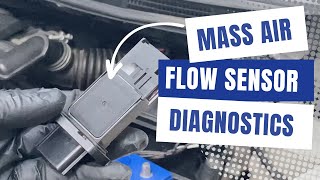
- Check Engine Light: This is often the first sign. The system will log codes like P0100, P0101, P0102, or P0103, which all point to the MAF circuit. 🎬 See how to test and fix these specific fault codes You might also see codes for the system running too lean (P0171, P0174) or too rich.
- Rough Idle and Stalling: The engine may idle erratically, sputter, or stall completely, especially when you come to a stop.
- Hesitation and Surging: You might feel a lag or delay when you press the gas pedal, followed by a sudden jerk or surge in power as the computer tries to compensate.
- Poor Fuel Economy: If the sensor tells the computer there's more air than there really is, the engine will use too much fuel, causing your MPG to drop.
- Black Exhaust Smoke: Black smoke coming from the tailpipe is a clear sign that the engine is running too rich (burning too much fuel), which can be caused by a bad MAF reading. 🎬 Watch: 13 common symptoms of a failing MAF sensor
- Transmission Problems: In some cases, a faulty MAF sensor can even cause shifting problems. The powertrain computer uses engine load data from the MAF to help control shift points, and bad data can lead to hard or delayed shifts.
Choosing the Right Aftermarket MAF Sensor
For many electronic parts, sticking with the original equipment manufacturer (OEM) is a safe bet. However, for the 1995-2004 F-350, original Motorcraft MAF sensors can be expensive or even discontinued. Fortunately, several aftermarket brands provide reliable alternatives.
OEM vs. Aftermarket Quality
While some budget aftermarket sensors can be unreliable, premium brands often serve as direct OEM suppliers and offer equivalent quality and performance. For a critical sensor like the MAF, it's often worth choosing a reputable aftermarket brand over the cheapest option available to avoid performance issues.
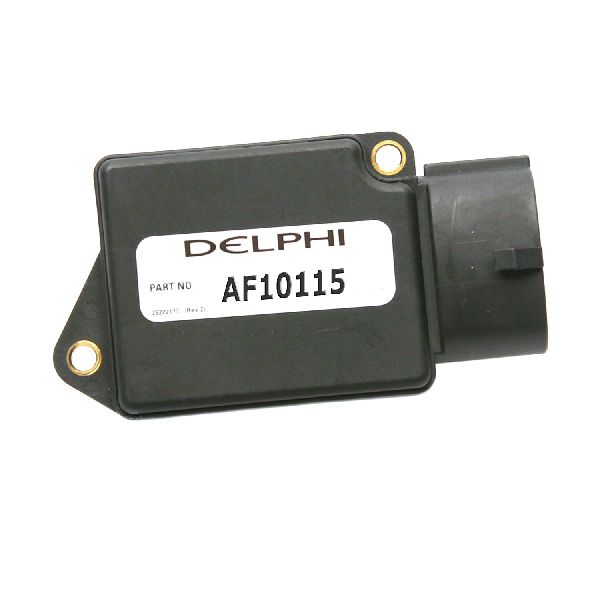
- Premium Aftermarket (Recommended): Brands like Delphi and NGK (NTK) have a strong reputation for quality and are often OEM suppliers themselves. These sensors are built to original specifications and provide accurate, long-lasting performance, making them a trusted choice for professional mechanics.
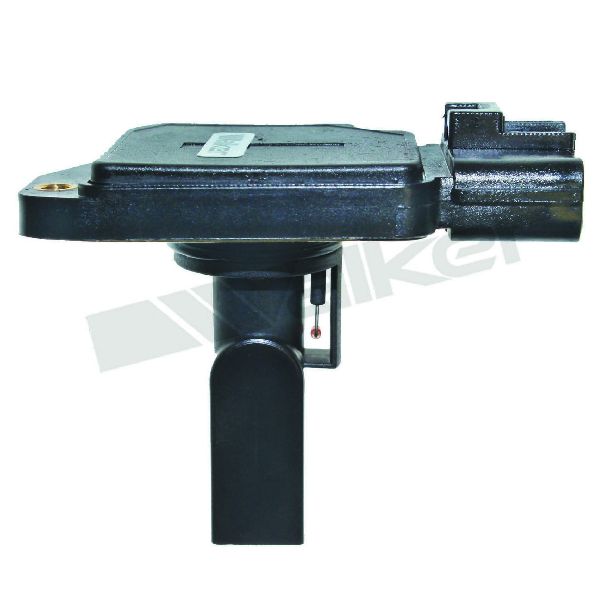
- Standard Aftermarket: Brands such as Spectra, Walker Products, and Standard Ignition (SMP) offer a balance of quality and value. They are generally considered reliable for stock replacement, though some forum users suggest avoiding SMP's budget "T-series" line.
- Budget & Remanufactured: Cardone is a common remanufactured option that offers significant cost savings. However, owner experiences are mixed, with some reporting that these units can be inconsistent or fail prematurely. Brands like DriveWire and Global Parts fall into this value-focused category.
Typical Replacement Costs
| Part Type | Estimated Cost |
|---|---|
| New OEM (Motorcraft) | $170 - $260 |
| New Aftermarket | $72 - $188 |
| Remanufactured | $80 - $120 |
| Shop Labor | $75 - $125 |
Installation: A Quick DIY Job
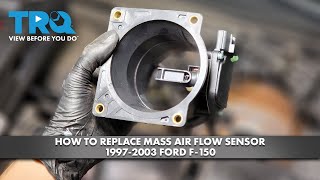
Replacing the MAF sensor on a 1995-2004 F-350 is a straightforward task that most owners can do in under 15 minutes 🎬 Watch this step-by-step walkthrough of the replacement process with basic tools.
- Disconnect the Battery: It's a good practice to disconnect the negative battery terminal to reset the engine computer's learned fuel trims.
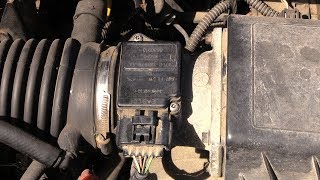
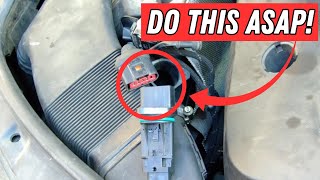
- Locate the Sensor: Find the MAF sensor in the air intake tube, right after the air filter box.
- Disconnect the Wiring: Unplug the electrical connector from the sensor.
- Remove the Sensor: Use a screwdriver or small socket to remove the two screws holding the sensor in place.
- Install the New Sensor: Gently place the new sensor, making sure any O-rings are seated correctly, and reinstall the screws. Do not overtighten.
- Reconnect: Plug the electrical connector back in, reconnect the battery, and start the engine.
Frequently Asked Questions
Can I just clean my MAF sensor instead of replacing it?
Yes, and it's often worth trying first. You must use a dedicated MAF sensor cleaner spray. Do not touch the internal wires. Cleaning can sometimes resolve issues caused by contamination, but if the sensor's electronics have failed, replacement is the only solution.
What's the difference between a MAF sensor and a MAP sensor?
A MAF (Mass Air Flow) sensor measures the volume and density of air entering the engine. A MAP (Manifold Absolute Pressure) sensor measures the pressure (or vacuum) inside the intake manifold. Both help the computer calculate engine load, but they measure different things.
Are there any recalls for the F-350 MAF sensor?
Searches of the NHTSA database and for technical service bulletins (TSBs) did not show any widespread recalls or specific service campaigns for MAF sensor failure on the 1995-2004 Ford F-350. Failures are typically due to age and contamination.
Will the check engine light turn off by itself after replacement?
Sometimes the light will turn off after a number of driving cycles. However, the fastest way to clear the code and reset the system is to use an OBD-II scanner or to disconnect the battery for about 15 minutes during the replacement.
Helpful Videos

Technical Specifications
OEM Part Numbers: F6ZZ-12B579-AARM F6ZZ-12B579-AA 3L3Z-12B579-ARM F6DZ-12B579-ARM
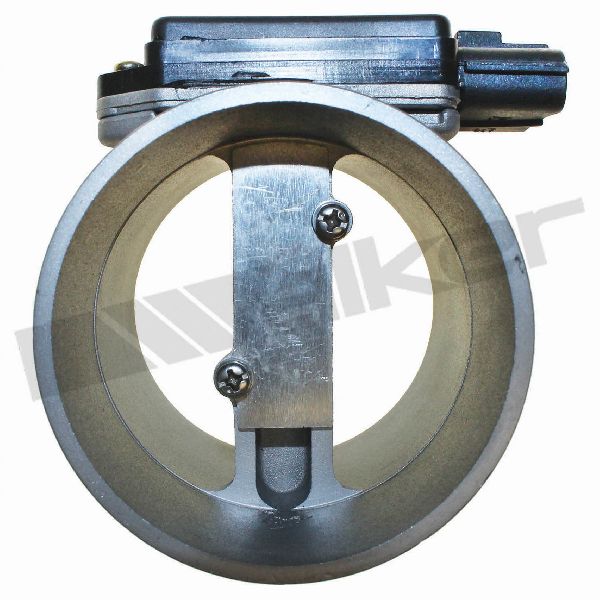
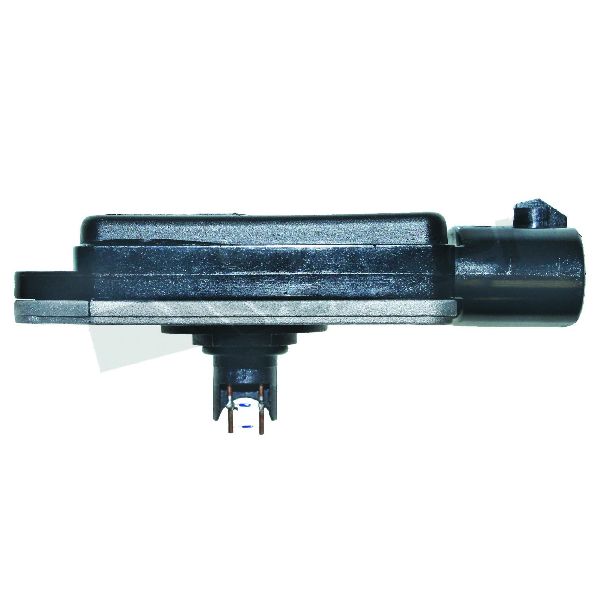
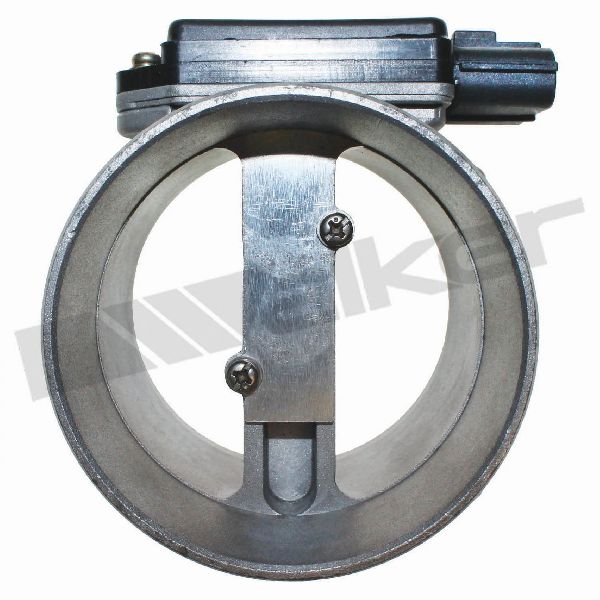
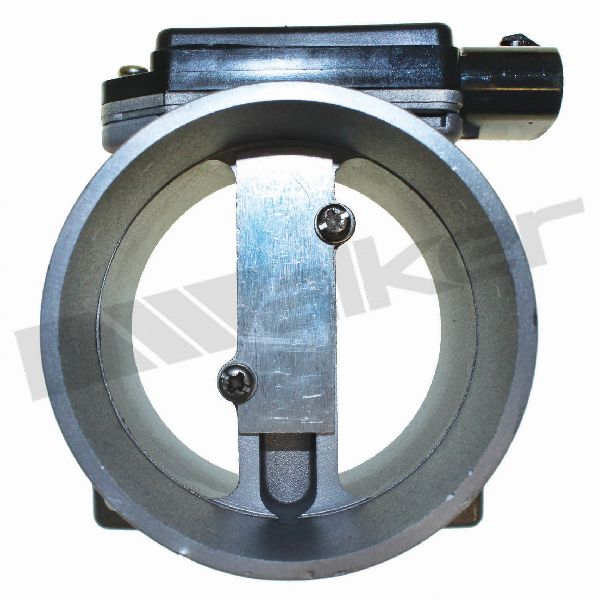
The sensor is located in the air intake duct between the air filter housing and the engine throttle body. It is typically a cartridge-style sensor held in place by two screws with a single multi-pin electrical connector.
We Have This Part in Stock

The information in this article is provided for general reference and educational purposes only. Vehicle specifications, procedures, and part compatibility can vary by production date, trim level, and region. Always consult your vehicle's factory service manual and verify part numbers before purchasing or performing repairs. Safety-critical components such as airbags, seat belts, and braking systems should be installed by a qualified professional.
- Ford F-350: