

Throttle Position Sensor Guide for the 1995-2004 Nissan Pathfinder
Fix stalling, hesitation, and poor shifting by understanding the right TPS for your Pathfinder.
- First, confirm if you have the 3.3L VG33E (1996-00) or 3.5L VQ35DE (2001-04) engine, as they use different parts.
- For the 3.3L engine, the new TPS must be adjusted with a multimeter to prevent high idle and performance issues.
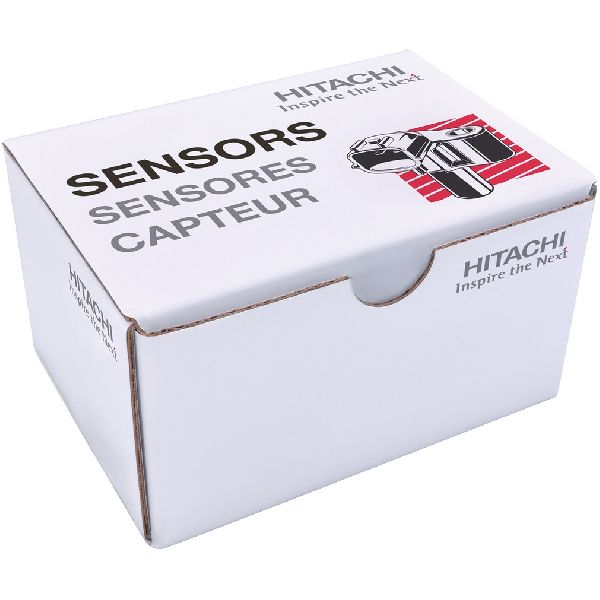
- Choosing an OE-quality brand like Hitachi is highly recommended to ensure reliability and avoid repeat failures.
- Symptoms like poor shifting and hesitation are classic signs of a failing TPS on this vehicle.
Is Your Pathfinder's Throttle Position Sensor Failing?

A failing Throttle Position Sensor (TPS) on the 1995-2004 Nissan Pathfinder can cause a range of frustrating engine problems. Because the sensor provides critical information about driver demand to the engine's computer, a bad signal can lead to poor performance, unpredictable behavior, and a lit Check Engine Light. Symptoms often start small but can become serious, affecting both drivability and safety.
Critical Engine Differences
It is extremely important to identify your engine before buying a part. The 1995-2004 Pathfinder used two different V6 engines, and they use different throttle position sensors.
- 1996-2000 Pathfinders have the 3.3L VG33E V6. This engine uses an adjustable TPS.
- 2001-2004 Pathfinders have the 3.5L VQ35DE V6. This engine uses a non-adjustable TPS.
Ordering the wrong part is a common mistake. Verify your engine type before purchasing.
Common Symptoms of a Bad TPS

When a TPS starts to fail, it sends incorrect voltage signals to the engine computer. This can make your Pathfinder behave erratically. Look for these common signs:
- Hesitation or Stumbling on Acceleration: The engine may lag or sputter when you press the gas pedal.
- Poor or Unstable Idle: The engine might idle too high, too low, or surge up and down on its own.
- Sudden Stalling: The engine may die unexpectedly at low speeds or when coming to a stop.
- Problems with Automatic Transmission: You might experience harsh shifting, delayed shifting, or the transmission may not downshift when you accelerate.
- Check Engine Light: The computer will often detect a faulty TPS signal and trigger a Check Engine Light. Common codes include P0120, P0121, P0122, and P0123.
- Sudden Surges in Speed: The vehicle might unexpectedly accelerate without you pressing the pedal further, which can be dangerous.
Choosing the Right Aftermarket TPS

For a critical sensor like the TPS, quality matters. While budget parts are available, they can be unreliable and cause the same problems to reappear quickly. For the Pathfinder, it's best to stick with brands known for their quality electronics.
OEM vs. Aftermarket Quality
Hitachi is a known original equipment (OE) supplier for Nissan. This means a Hitachi-branded sensor from the aftermarket is often the exact same quality and construction as the part you'd get from a Nissan dealer, but at a lower price. Many Pathfinder owners and mechanics strongly recommend using Hitachi to avoid future issues. Cheaper, no-name brands have a reputation for failing quickly or being defective out of the box.
Brand Quality Tiers
- Tier 1 (OE-Equivalent): Hitachi. This is the recommended choice for reliability and proper function. It is considered an OE supplier for this part.
- Tier 2 (Reputable Aftermarket): NGK, Delphi, Standard Ignition (SMP). These are established brands that produce quality sensors. While generally reliable, they may not have the same exact specifications as the original part. Delphi is a major OE supplier for many car manufacturers, and NGK is well-respected for its sensors.
- Tier 3 (Value Brands): Walker Products, Global Parts, Replacement. These brands focus on affordability. While they may work, their lifespan and performance can be inconsistent. They are a budget-friendly option but may lead to recurring problems.
Cost of Replacing a Pathfinder TPS
| Part Type | Estimated Cost |
|---|---|
| New Aftermarket Part | $40 - $142 |
| New OEM Part | $150 - $250+ |
| Shop Labor | $60 - $120 |
| Total Professional Replacement | $100 - $370+ |
Costs are estimates and can vary based on location, vehicle, and part brand. The aftermarket price range reflects the variety of brands available.
Frequently Asked Questions

Do I need to adjust the new TPS on my Pathfinder?
If you have the 1996-2000 Pathfinder with the 3.3L VG33E engine, YES, adjustment is critical. The sensor must be rotated to the correct position to send the right voltage at idle. An improperly adjusted TPS can cause high idle and other performance issues. Nissan issued a Technical Service Bulletin (NTB99-053b) for this procedure. If you have the 2001-2004 Pathfinder with the 3.5L VQ35DE engine, NO adjustment is needed. It is a direct bolt-on part.
Can I just clean my throttle position sensor?
No. The TPS is a sealed electronic component. The part that fails is internal, where a wiper moves across a resistive strip. Cleaning the outside of the sensor will not fix a failing component. You may be thinking of cleaning the throttle body itself, which is a separate maintenance item.
Is Hitachi the same as a genuine Nissan part?
Hitachi is an Original Equipment Manufacturer (OEM), meaning they supply parts directly to Nissan for vehicle assembly. A Hitachi-branded aftermarket part is often identical to the genuine Nissan part, just sold in a different box and usually for less money. For electronics, choosing an OEM like Hitachi is a safe bet for quality and fit.
A new TPS didn't fix my high idle. What now?
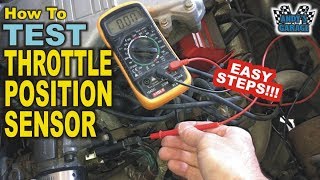
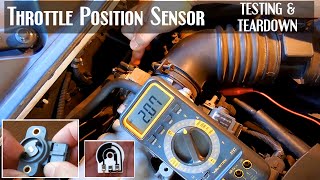
For 3.3L VG33E engines, this is almost always due to incorrect adjustment. The idle voltage must be set precisely using a multimeter. After adjusting, you may also need to perform an "Idle Air Volume Learning" or "TPS Idle Position Memory Reset" procedure. If the idle is still high, check for vacuum leaks or issues with the Idle Air Control (IAC) valve.
Helpful Videos


Technical Specifications
OEM Part Numbers: 22620-4P202 22620-4P210 SERA486-08
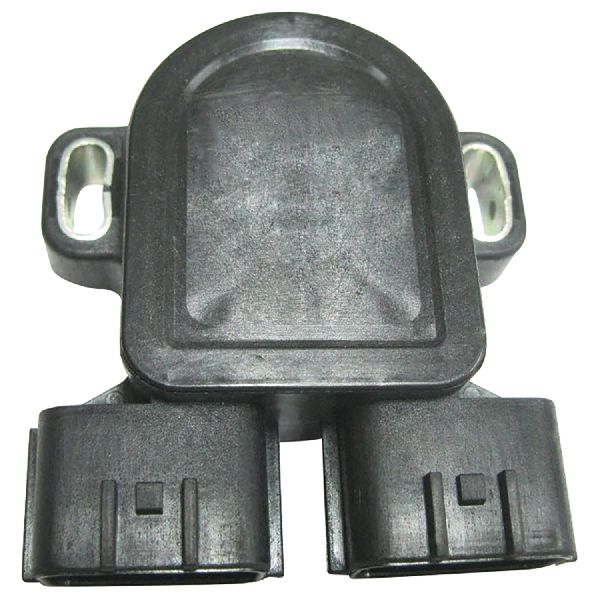
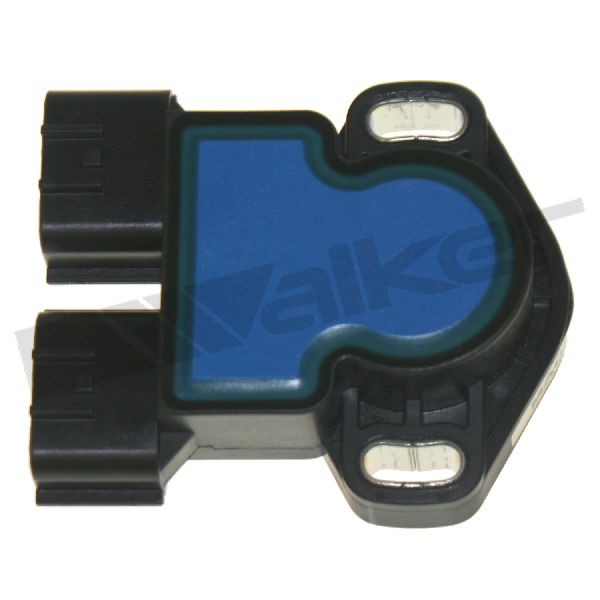
The TPS is a potentiometer with two connectors on some models. It sends a variable voltage signal to the ECU, typically ranging from ~0.5V at closed throttle to ~4.5V at wide-open throttle. The sensor for the 1996-2000 VG33E engine is adjustable.
We Have This Part in Stock


The information in this article is provided for general reference and educational purposes only. Vehicle specifications, procedures, and part compatibility can vary by production date, trim level, and region. Always consult your vehicle's factory service manual and verify part numbers before purchasing or performing repairs. Safety-critical components such as airbags, seat belts, and braking systems should be installed by a qualified professional.
- Nissan Pathfinder:
- 🎬 Helpful Videos
- 🛍️ Shop This Part
- Is Your Pathfinder's Throttle Position Sensor Failing?
- Critical Engine Differences
- Common Symptoms of a Bad TPS
- Choosing the Right Aftermarket TPS
- OEM vs. Aftermarket Quality
- Brand Quality Tiers
- Cost of Replacing a Pathfinder TPS
- Frequently Asked Questions
- 🎟️ Get 5% Off