

Toyota Tacoma Camshaft Position Sensor Guide (1995-2004)
Solve common engine problems like stalling, rough idling, and no-starts in your first-generation Tacoma by understanding and replacing your camshaft position sensor.
- A failing camshaft position sensor will almost always trigger a P0340 code and a Check Engine Light.
- Symptoms include no-start, stalling, rough idle, and poor acceleration.
- For best results, choose an OEM-quality brand like Denso or NGK, as Toyota engines can be sensitive to aftermarket electronics.
- Replacement is an easy DIY job for most owners, requiring basic tools and about 30 minutes.
Symptoms of a Failing Camshaft Position Sensor

When the camshaft position sensor on a 1995-2004 Tacoma starts to fail, the signs are usually obvious. Because the sensor's data is essential for engine timing, a bad sensor can make your truck run poorly or not at all. You will almost always see a Check Engine Light on your dashboard.
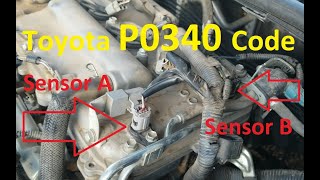
- Check Engine Light: This is the most common sign. A scan tool will usually show the code P0340, which points directly to a problem in the camshaft position sensor circuit.
- Engine Won't Start: The engine may crank but not start. Without a signal from the sensor, the engine's computer may not send fuel or spark.
- Hard Starting: Your truck might take longer than usual to start. The engine has to crank more to figure out the camshaft's position.
- Stalling: The engine may suddenly shut off while you're driving or idling at a stoplight. This can be dangerous.
- Rough Idle and Misfires: The engine may shake or vibrate at idle because the timing is off, causing misfires.
- Loss of Power: You might notice your truck feels sluggish and doesn't accelerate as it should. This happens because the engine timing isn't optimized for power.
Known Issues & Recalls
There are no specific recalls or widespread Technical Service Bulletins (TSBs) for the camshaft position sensor on the 1995-2004 Toyota Tacoma. Searches of the NHTSA database did not show any recalls for this specific part and year range. However, forum discussions show that a P0340 code can sometimes be caused by incorrect timing after a timing belt change, or by issues with the wiring harness, not just a failed sensor. Always check the sensor's connector and wiring for damage before replacing the part.
Choosing the Right Aftermarket Sensor

When it comes to engine sensors for a Toyota, quality matters. Tacoma owners on forums consistently recommend using high-quality parts to avoid replacing them again soon. Cheaper, no-name sensors are known to fail quickly.
| Brand Tier | Brands | Why? |
|---|---|---|
| OEM / Top Tier | Denso, NGK (NTK) | Denso is a well-known original equipment (OE) supplier for Toyota. Choosing Denso is the closest you can get to buying the part from the dealer. NGK (which sells sensors under the NTK brand) is also a highly respected manufacturer known for quality that meets or exceeds OE standards. |
| Reputable Aftermarket | Delphi, Standard Ignition (SMP), Beck Arnley, Walker Products | These brands have a long history of making reliable aftermarket parts. They are a good balance between cost and quality and are generally trusted by professional mechanics. |
| Budget / Economy | Dorman, URO Parts, and other store brands | These parts are more affordable but can have mixed reviews. While Dorman sometimes improves on factory designs, some users report issues with their electronic components. These can be an option if budget is the primary concern, but for a critical sensor like this, a higher-quality part is recommended for long-term reliability. |
Pro Tip: Check the Crankshaft Sensor Too
The camshaft position sensor works with the crankshaft position sensor. Sometimes, a P0340 code can be triggered by a problem with the crankshaft sensor or a timing mismatch between the two. If a new camshaft sensor doesn't fix the issue, the problem might be with the wiring, the timing belt/chain alignment, or the crankshaft sensor.
Frequently Asked Questions (FAQ)

Where is the camshaft position sensor located on a 1995-2004 Tacoma?
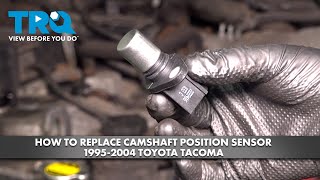
The location depends on your engine. On the 3.4L V6, it is on the driver's side of the engine, toward the front, mounted on the cylinder head. On the 2.4L and 2.7L 4-cylinder engines, it is located under the intake manifold, on the side of the cylinder head. It is typically held in by a single 10mm bolt.
Can I replace this sensor myself?
Yes, this is a very DIY-friendly repair for most owners. The sensor is usually held by one bolt and has a single electrical connector. For the 4-cylinder engines, access is a bit tighter under the intake, but it can be done with basic hand tools like a ratchet, extensions, and a 10mm socket. The job typically takes less than 30 minutes.
What happens if I ignore a bad camshaft position sensor?
Ignoring it is not recommended. The problems will likely get worse. You will experience poor fuel economy, rough running, and a lack of power. Eventually, the sensor can fail completely, leaving you stranded because the engine will not start.
Is Denso the same as the original Toyota part?
Very likely, yes. Denso is an Original Equipment Manufacturer (OEM) for Toyota, meaning they make many of the original parts Toyota installs at the factory. Buying a Denso-branded sensor is often the same quality as the dealer part, but usually at a lower cost.
Helpful Videos
Technical Specifications
OEM Part Numbers: 1930062010 90919-05009
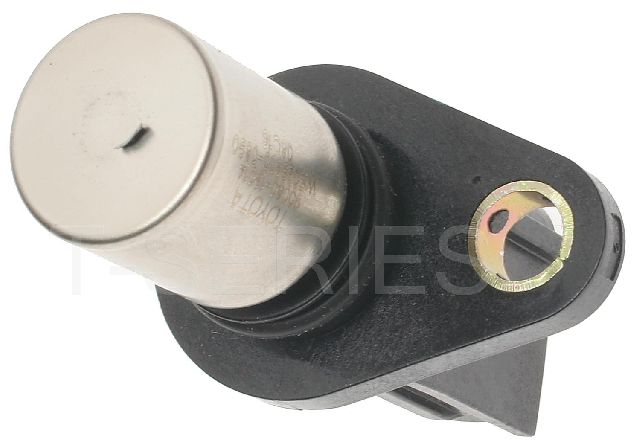
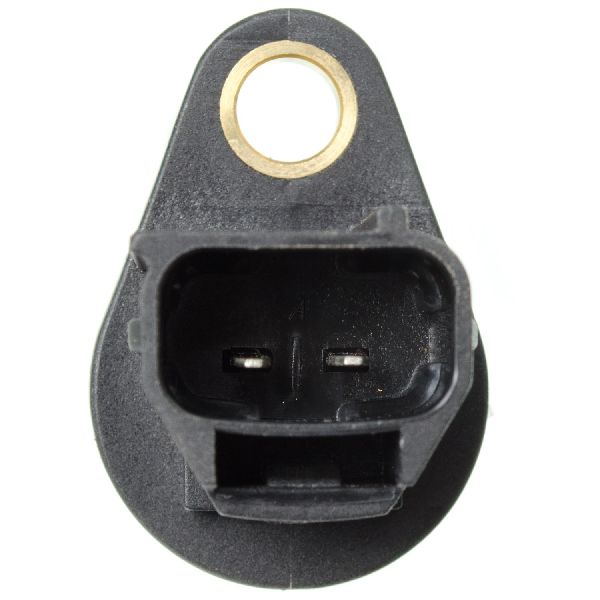
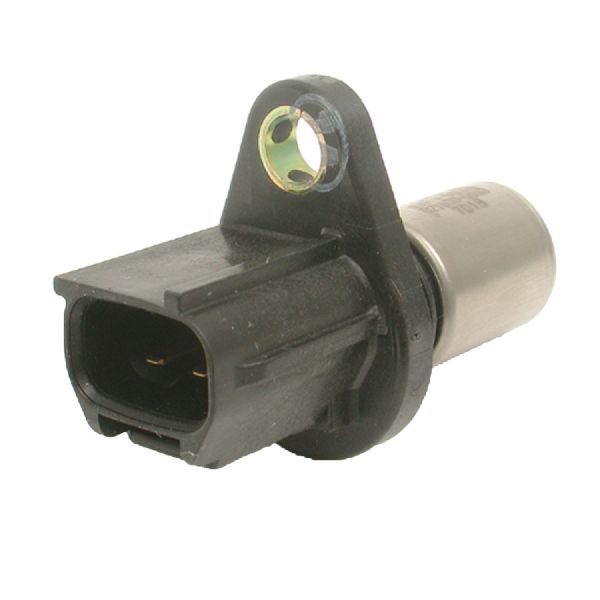
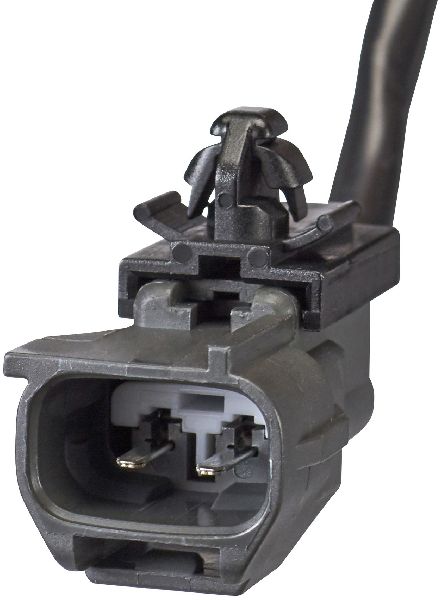
Typically a 2-pin magnetic sensor held by a single 10mm bolt. Includes an O-ring to seal against the engine.
We Have This Part in Stock


The information in this article is provided for general reference and educational purposes only. Vehicle specifications, procedures, and part compatibility can vary by production date, trim level, and region. Always consult your vehicle's factory service manual and verify part numbers before purchasing or performing repairs. Safety-critical components such as airbags, seat belts, and braking systems should be installed by a qualified professional.
- Toyota Tacoma: