

1995-2004 Toyota Tacoma Throttle Position Sensor (TPS) Guide
Fix your Tacoma's hesitation, rough idle, or stalling by understanding this critical engine sensor.
- Symptoms like hesitation, high idle, and stalling are classic signs of a failing TPS on a 1st Gen Tacoma.
- Always verify your engine and year, as Toyota used different 3-wire and 4-wire sensors that are not interchangeable.
- While budget-friendly, be aware that some aftermarket sensors may not last as long as the OEM Denso part.
- Cleaning the throttle body and Idle Air Control (IAC) valve during replacement is highly recommended and may solve related issues.
Symptoms of a Bad Throttle Position Sensor

A failing TPS on a 1995-2004 Tacoma can cause a range of frustrating issues. You might not get a Check Engine Light at first, but you'll likely notice something is wrong with how your truck drives.
- Hesitation or Stumbling: The truck might hesitate or stumble when you press the gas, especially from a stop.
- Jerky Acceleration: Acceleration may feel jerky or inconsistent, particularly in lower gears.
- Rough or High Idle: Your engine might idle much higher than normal, or the idle could be rough and unstable. 🎬 See how replacing the TPS fixed this truck's high idle.
- Stalling: In more severe cases, the engine may stall when you come to a stop or let off the gas.
- Poor Fuel Economy: If the computer gets the wrong throttle information, it can't manage fuel efficiently.
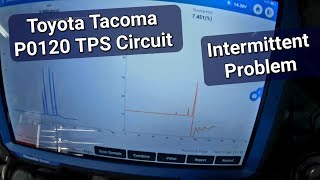
- Check Engine Light: Eventually, a bad TPS will trigger a Check Engine Light. The most common code is P0120. 🎬 Watch how a bad TPS causes stalling and P0120 codes.
Watch for Part Number Changes
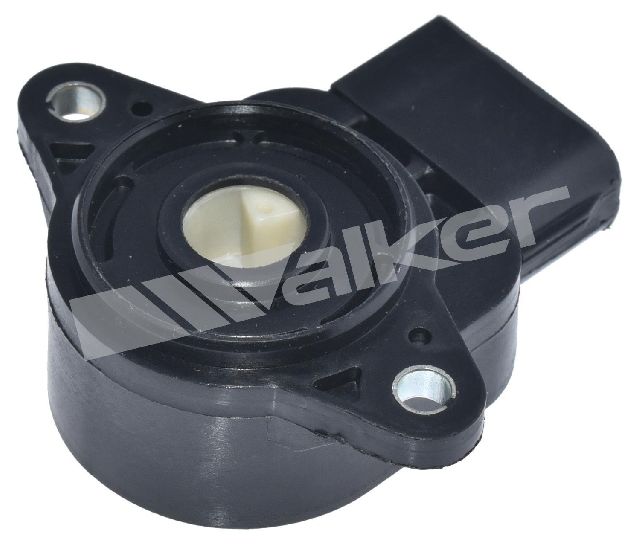
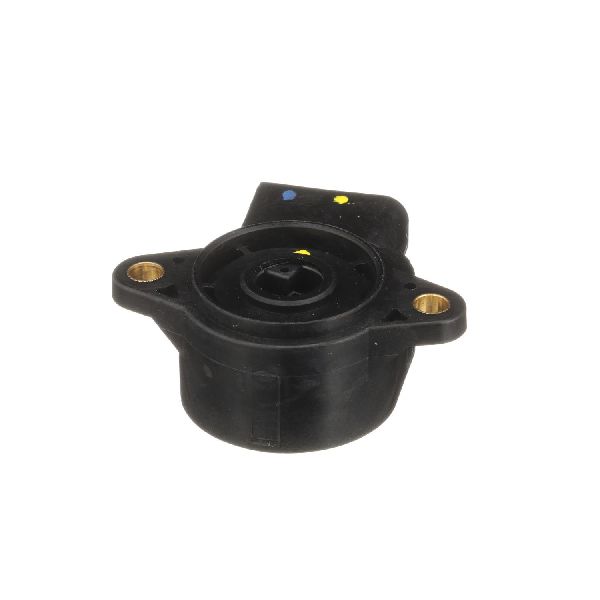
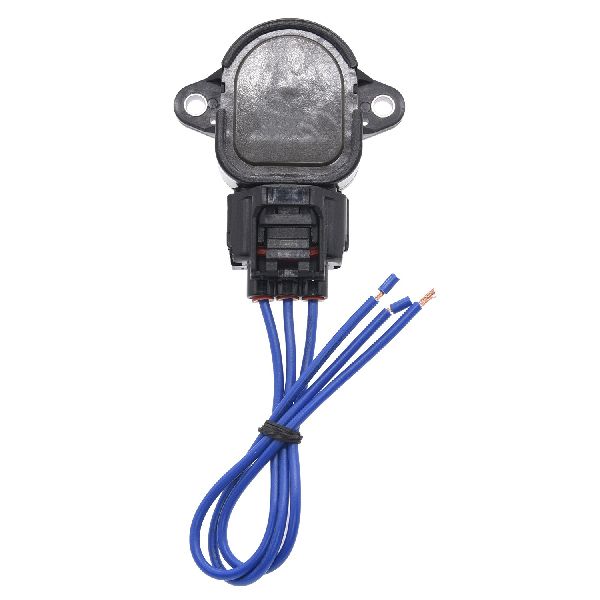
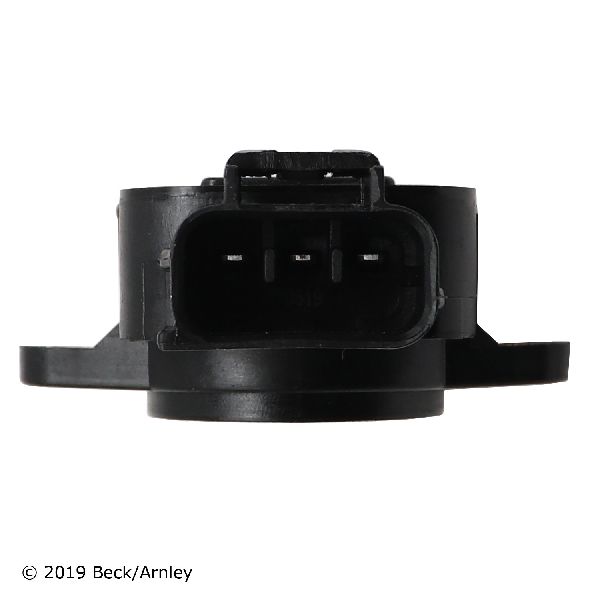
Toyota used different TPS designs during this period, including 3-wire and 4-wire versions. Later V6 models (2003-2004) with electronic throttle control (drive-by-wire) use a different sensor that is not interchangeable. Always verify the correct part number for your specific year, engine, and drivetrain before ordering.
Choosing an Aftermarket TPS: OEM vs. Aftermarket

For 1st Generation Tacomas, there is a strong preference among owners for using the OEM (Original Equipment Manufacturer) sensor, which is made by Denso. These trucks are known for their reliability, and owners find that OEM sensors offer the best longevity and performance. However, a new OEM sensor can be costly.
Aftermarket sensors are a more budget-friendly option, but quality can be a mixed bag. Some may work well, while cheaper options have been known to fail quickly, sometimes within months. If you choose an aftermarket part, consider it a trade-off between initial cost and potential future replacement.
- Top-Tier Aftermarket (Better Quality): Brands like NGK (also known as NTK), Standard Motor Products (SMP), and Aisan are generally considered more reliable choices. They often meet or exceed original specifications and may come with better warranties.
- Economy Aftermarket (Budget-Focused): Brands like Dorman, Walker, and other store brands offer the lowest price. While they can solve the problem in the short term, some owners report a shorter lifespan compared to OEM or top-tier brands.
Clean Your Throttle Body First
Sometimes, symptoms of a bad TPS can be caused by a dirty throttle body or a failing Idle Air Control (IAC) valve. While you're replacing the TPS, it's a great time to thoroughly clean the throttle body and IAC valve. In some cases, this cleaning alone can solve your idling and hesitation problems.
Installation and Cost

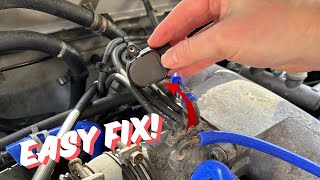
Replacing the TPS is a straightforward job for a DIY mechanic. The sensor is on the back of the throttle body, held by two screws with an electrical connector. However, access can be tight, and some find it easier to remove the entire throttle body for cleaning and easier access to the sensor screws. 🎬 Follow this step-by-step guide to install your new sensor. No special calibration is typically needed for these models; disconnecting the battery during the install is usually sufficient.
| Item | Estimated Cost |
|---|---|
| New OEM Part | $60 - $115 |
| New Aftermarket Part | $25 - $86 |
| Shop Labor | $73 - $107 |
| Total Professional Replacement | $174 - $212 |
Frequently Asked Questions

Can I still drive with a bad throttle position sensor?
You can, but it's not recommended. The truck will likely run poorly with hesitation and potential stalling, which can be unsafe in traffic. It's best to get it replaced as soon as possible.
Was there a recall for the TPS on the 1995-2004 Tacoma?
No, there have been no specific recalls issued by the NHTSA for the throttle position sensor on 1995-2004 Toyota Tacomas. Any replacement will be at the owner's expense.
Do I need to adjust the new TPS?
For most 1995-2004 Tacomas, the TPS is not adjustable. Installation involves simply bolting on the new part. The engine computer will relearn the new sensor's parameters after you disconnect and reconnect the battery.
Why did my aftermarket TPS fail so quickly?
This is a common complaint with some lower-cost aftermarket electronic parts. The internal components may not be as durable as the OEM parts, leading to a shorter service life. This is why many experienced Tacoma owners recommend sticking with OEM/Denso or a high-quality aftermarket brand like NGK.
Helpful Videos
Technical Specifications
OEM Part Numbers: 89452-35020 89452-22080
Varies between 3-wire and 4-wire configurations depending on the specific year, engine (2.4L, 2.7L, 3.4L), and drivetrain combination. Some later 2003-2004 V6 models use a non-interchangeable sensor for an electronic throttle body.
We Have This Part in Stock


The information in this article is provided for general reference and educational purposes only. Vehicle specifications, procedures, and part compatibility can vary by production date, trim level, and region. Always consult your vehicle's factory service manual and verify part numbers before purchasing or performing repairs. Safety-critical components such as airbags, seat belts, and braking systems should be installed by a qualified professional.
- Toyota Tacoma: