

Audi A6 (1995-2005) ABS Wheel Speed Sensor Guide
Understanding why your ABS and traction control lights are on and how to fix it.
- A bad ABS sensor will disable your ABS, traction control, and stability control systems.
- You must use a diagnostic scanner to identify which specific sensor has failed before buying a part.
- Sensors often get stuck due to rust; be prepared for a difficult removal.
- For this Audi, investing in a quality aftermarket brand like Hella or Delphi is recommended over budget options for better reliability.
Is a Bad ABS Sensor Dangerous?
When an ABS sensor fails on your Audi A6, your dashboard will likely light up with ABS, and often ESP/ASR, warning lights. While this can be alarming, your regular brakes will still work. However, the anti-lock function will be disabled, meaning your wheels can lock up during a panic stop, increasing the risk of skidding. Additionally, the traction and stability control systems will not function, which can make the car less stable in slippery conditions or during emergency maneuvers. It is safe to drive the car to get it repaired, but you should do so with extra caution, especially in wet or icy weather.
Symptoms of a Failing ABS Sensor on a 1995-2005 Audi A6
Diagnosing a bad wheel speed sensor is usually straightforward. You will need a diagnostic scanner that can read Audi-specific codes to know which sensor has failed. Without a scanner, you are just guessing. Common symptoms include:
- ABS Light On: This is the most common sign. A fault in the system will trigger the ABS warning light on your instrument cluster.
- Traction/Stability Control (ESP/ASR) Light On: Because these systems use the same sensors, a single sensor failure will disable them and turn on their warning light.
- Brake Pedal Pulsation (Rare): In some cases, a faulty sensor might send incorrect signals, causing the ABS to activate unnecessarily at low speeds, which you would feel as a pulsing in the brake pedal.
- Issues with ABS Module: Sometimes, the problem isn't the sensor but the ABS control module itself or the wiring in between. This is a more complex and expensive issue, so it's important to properly diagnose the sensor first. Water intrusion and corrosion are common culprits for module failure.
Don't Mistake a Dirty Sensor for a Bad One
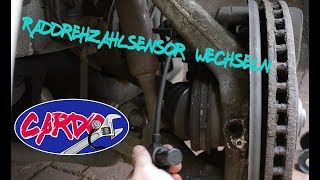
Sometimes, brake dust and road grime can build up on the sensor tip, interfering with its reading. Before replacing the sensor, it's worth trying to remove and clean it. 🎬 Watch a demonstration of removing an A6 C5 wheel sensor. However, these sensors are often seized in the wheel hub due to rust and can be destroyed during removal.
Choosing the Right Aftermarket ABS Sensor
For a 1995-2005 Audi A6, the quality of electronic parts matters. While OEM is the benchmark, several aftermarket brands offer a good balance of quality and price. It's generally wise to avoid the cheapest options, as they can fail prematurely or provide inaccurate readings.
| Brand Tier | Brands | Quality & Cost Assessment |
|---|---|---|
| Premium Aftermarket | Hella, Delphi | Hella is a well-respected German brand and often an OEM supplier to Audi. Their quality is considered very close to the original part. Delphi is another strong Tier 1 supplier known for reliable electronics. Expect to pay more, but the fit and longevity are generally worth it. |
| Mid-Grade Aftermarket | Standard Ignition, Holstein, Vemo | These brands offer a good middle ground. Standard Ignition (SMP) is a reputable US-based company. Holstein focuses on ABS sensors and offers a quality product. Vemo is a German aftermarket brand specializing in electronics for European cars, offering a dependable replacement. |
| Economy Aftermarket | URO Parts, Facet | These brands provide a budget-friendly solution. While they can get the job done, owner feedback is mixed regarding long-term reliability. URO Parts is known for being a cost-effective option, but quality can be inconsistent. They may be a suitable choice if the budget is the primary concern. |
Pro-Tip: Check the Connector Style
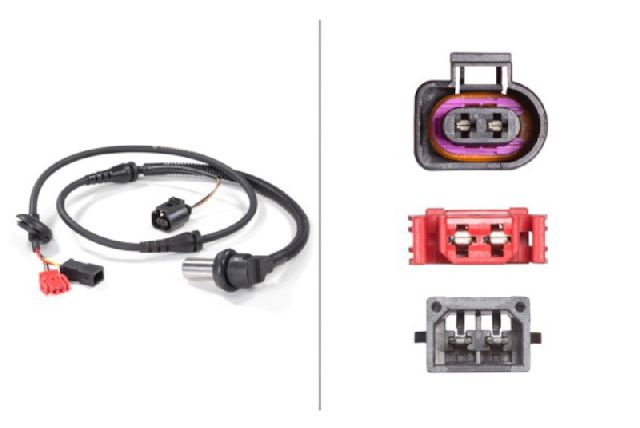
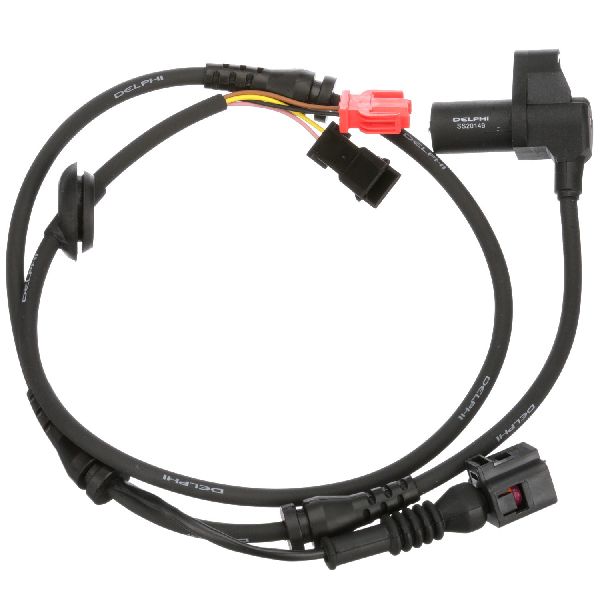
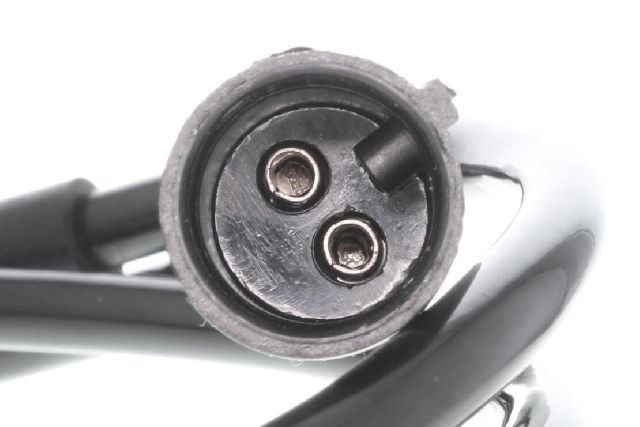
During the C5 generation (1997-2005), Audi sometimes used different connector styles for the sensors. Before ordering, it's a good idea to visually inspect the connector on your car to ensure you get an exact match. Some models have a single connector, while others use a two-connector (red and black) setup.
Frequently Asked Questions (FAQ)
Can I replace just one ABS sensor?
Yes. You only need to replace the sensor that has failed. A proper diagnostic scan will tell you exactly which wheel's sensor is causing the problem (e.g., "Front Left Wheel Speed Sensor Signal Fault"). There is no need to replace them in pairs or all at once.
Is replacing an A6 ABS sensor a DIY job?
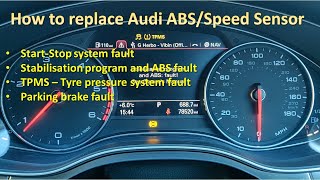
For a mechanically inclined owner, yes. 🎬 See how to replace an ABS sensor on newer A6 models. The job involves removing the wheel, locating the sensor on the wheel hub, and unplugging its electrical connector. However, the sensor can become seized in the hub due to rust, making removal very difficult without breaking it. Applying penetrating oil beforehand is highly recommended.
What are common mistakes when ordering?
The most common mistakes are ordering for the wrong wheel (front vs. rear sensors are different) and not verifying the connector type. The C5 A6 had some mid-generation changes, so always confirm the part fits your specific year and model, and check if your car has 16-inch wheels, as this can sometimes affect the part number.
Could a bad wheel bearing cause my ABS light?
Yes. A worn-out wheel bearing can cause excessive movement or 'wobble' in the hub. This changes the distance between the sensor and the spinning reluctor ring it reads, which can cause a signal fault and trigger the ABS light. If you hear grinding or humming noises from a wheel, you may have a bad bearing that needs to be addressed.
Helpful Videos

Technical Specifications
OEM Part Numbers: 4B0927803 4B0927803B 4B0927803C 4B0927807 4B0927807Q
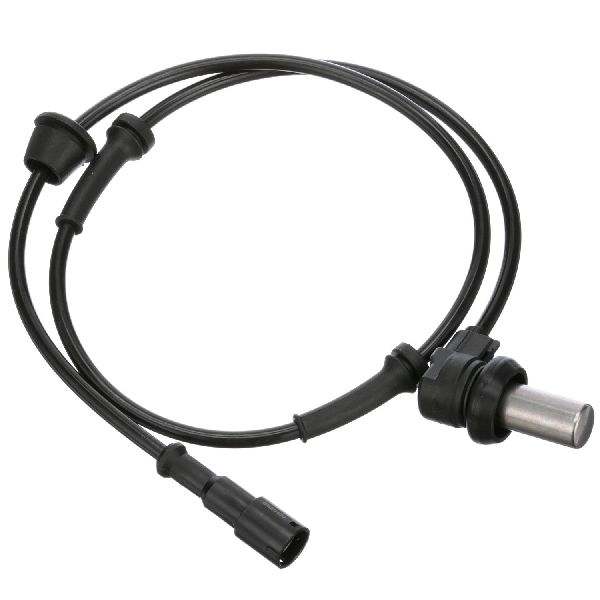
Sensors are specific to front or rear axles. Some models use different sensors based on VIN or wheel size. Connectors can be single or dual plug designs. Always verify fitment with your vehicle's specific details.
We Have This Part in Stock


The information in this article is provided for general reference and educational purposes only. Vehicle specifications, procedures, and part compatibility can vary by production date, trim level, and region. Always consult your vehicle's factory service manual and verify part numbers before purchasing or performing repairs. Safety-critical components such as airbags, seat belts, and braking systems should be installed by a qualified professional.
- Audi A6: