

A Guide to Replacing Steering Tie Rod Ends on the 1995-2005 Audi A6
Restore your Audi's sharp steering response and prevent expensive tire damage by replacing worn tie rod ends.
- A professional wheel alignment is mandatory after replacing tie rod ends to prevent rapid tire wear.
- Symptoms include loose steering, clunking noises, steering wheel vibration, and uneven tire wear.
- For best results and longevity, choose a premium aftermarket brand like TRW, Delphi, or Moog.
- It is strongly recommended to replace outer tie rod ends in pairs (left and right) for balanced handling.
Is Your Audi A6 Steering Feeling Loose?
If your 1995-2005 Audi A6 has developed a mind of its own on the road, worn steering tie rod ends could be the culprit. These parts are essential for precise steering control. When they wear out, the connection between your steering wheel and the front wheels becomes sloppy. This is a common wear item, especially on cars over 100,000 miles or those frequently driven on rough roads. Replacing them is a straightforward job that restores safety and handling.
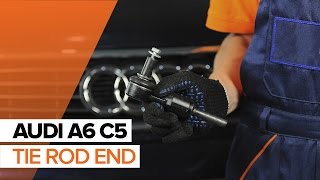
🎬 Watch this professional walkthrough of the tie rod replacement process.Symptoms of a Failing Tie Rod End
Bad tie rod ends on an A6 will give you several warning signs. Ignoring them can lead to a complete failure, which can cause a loss of steering control. Look out for:
- Loose or "Dead" Spot in Steering: A feeling of play or a dead spot in the center of the steering wheel, where small movements don't immediately turn the car.
- Clunking or Knocking Noises: A clunking or rattling sound from the front end, especially when turning at low speeds or going over bumps.
- Uneven Tire Wear: Worn tie rods allow the wheels to wobble, causing the inside or outside edges of your front tires to wear down much faster than the rest of the tread.
- Steering Wheel Vibration: A shimmy or vibration that you can feel in the steering wheel, which often gets worse as you accelerate.
- Vehicle Pulling or Wandering: The car may pull to one side or feel like it's wandering on the highway, requiring constant steering corrections.
Safety First: Alignment is Not Optional
After replacing your tie rod ends, you must get a professional front-end alignment. Without it, your steering will be off, and you will quickly ruin a new set of tires. You can count the threads on the old part to get the new one close enough to drive safely to an alignment shop.
Choosing the Right Aftermarket Tie Rod End
For a vehicle like the C5-platform A6, the aftermarket offers a wide range of quality and price. You don't need to buy the most expensive part, but you should avoid the cheapest options if you want them to last. Here’s a breakdown of the brands available:
Tier 1: OEM Quality & Premium Aftermarket
These brands are often original equipment (OE) suppliers to German automakers or are known for producing parts that meet or exceed OE standards. They are the best choice for longevity and a perfect fit.
- TRW Parts: TRW is a major OE supplier for European cars. Choosing TRW is often the closest you can get to buying a genuine Audi part without the dealership price tag. They are a top choice for this application.
- Delphi: Another well-respected OE supplier with a reputation for quality parts that fit and function correctly.
- Moog: Historically a top-tier aftermarket brand known for durable, all-metal construction and often featuring greaseable fittings for longer life. While some forum users note a recent dip in quality, their premium lines are still considered a very strong choice.
Tier 2: Solid Mid-Range Options
These brands offer a good balance of quality and price. They are a reliable choice for a daily driver.
- Mevotech: Often compared to Moog, Mevotech offers different lines, with their "Supreme" and "TTX" lines being higher quality. They can be a great value, but some users report inconsistent quality, so it's best to stick to their premium offerings.
- Beck Arnley: This brand sources parts from various manufacturers, often including OE suppliers. Quality is generally good, but can vary depending on who made the specific part in the box.
- CRP (Rein): Known for making quality replacement parts for European vehicles and is generally considered a reliable option.
- Vaico: Specializes in parts for German cars. They are a popular choice, though sometimes seen as a small step below the top-tier brands in consistency.
Tier 3: Budget-Friendly
These brands are the most affordable but may not offer the same durability as higher-priced options. They can be suitable for a tight budget, but be aware that they may wear out sooner.
- Dorman: A huge aftermarket supplier known for providing a wide range of parts. Quality can be hit-or-miss.
- URO Parts: A budget-focused brand for European cars. They provide a low-cost alternative, but forum discussions often suggest they have a shorter lifespan.
- QuickSteer & Suspensia: These are typically positioned as standard-grade, economy options.
Pro Tip: Replace in Pairs
It is highly recommended to replace both the left and right outer tie rod ends at the same time. If one has failed from age and mileage, the other is likely not far behind. This also ensures even steering response and makes the post-replacement alignment more effective.
Common Ordering Mistakes
For the 1999 model year specifically, Audi used two different sizes of tie rod boots (the rubber bellows covering the inner tie rod). While you are replacing the outer tie rod end, it's a good time to inspect the boot. If it's cracked or torn, you'll need to replace it. Be sure to measure your existing boot (uncompressed) to ensure you order the correct 7.5" or 10" replacement.
Frequently Asked Questions (FAQ)
Do I need to replace the inner tie rod too?
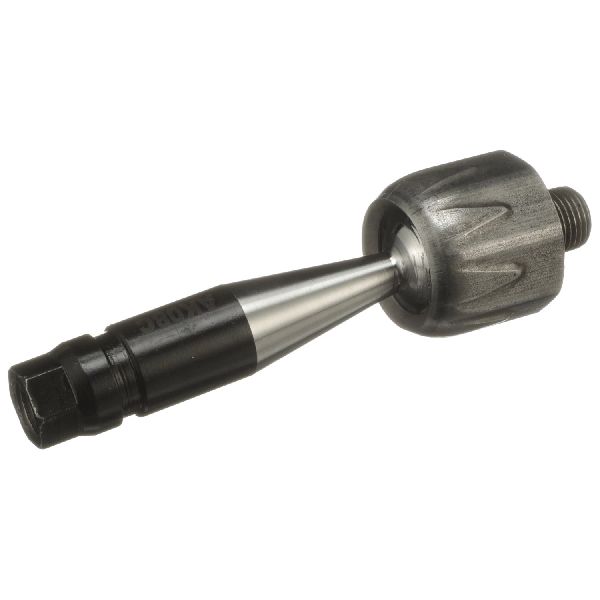
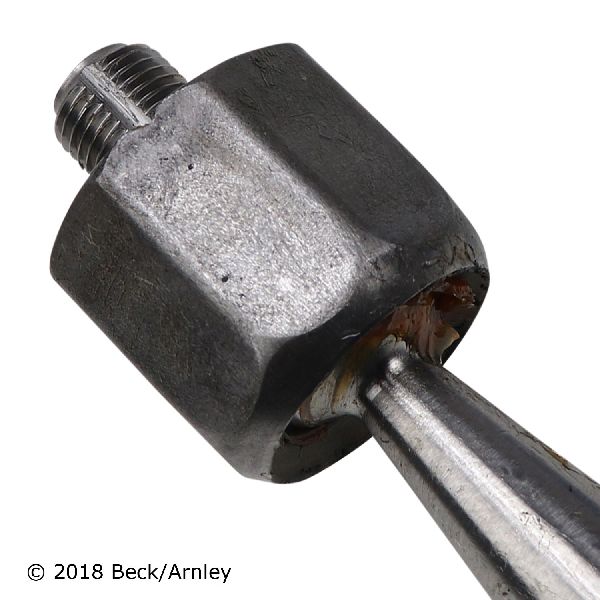
Not always. The outer tie rod end fails most frequently. A mechanic can check the inner tie rod for play while the car is on a lift. If the inner joint is tight, you only need to replace the outer end. However, if the inner is also loose, it's best to replace the entire assembly.
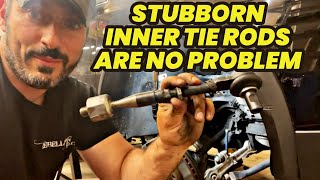
🎬 Learn how to easily remove the inner tie rods if needed.Is this a difficult job to do myself?
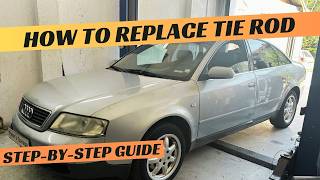
For a DIY mechanic with the right tools, this is a manageable job. The main challenges can be breaking loose rusted nuts and separating the ball joint from the steering knuckle. You may need a special tool called a tie rod puller or a large hammer. 🎬 See a step-by-step tutorial on removing and installing the ends. Remember to soak all nuts and bolts in penetrating oil beforehand.
What's the difference between a sealed and greaseable tie rod end?
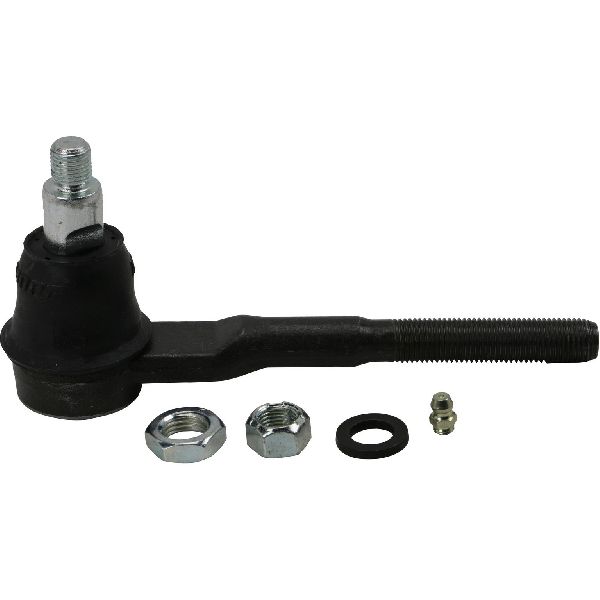
Original Audi parts are typically sealed and require no maintenance. Some aftermarket brands like Moog offer greaseable joints with a zerk fitting. These can last longer if you periodically add new grease, but they require that extra maintenance step. Sealed joints are fit-and-forget.
Were there any recalls for the Audi A6 steering?
Searches of NHTSA data did not show any specific recalls for tie rod ends on the 1995-2005 Audi A6. There were recalls and TSBs for other steering components like the steering column or headlight switch wiring, but not the tie rods themselves.
Helpful Videos

Technical Specifications
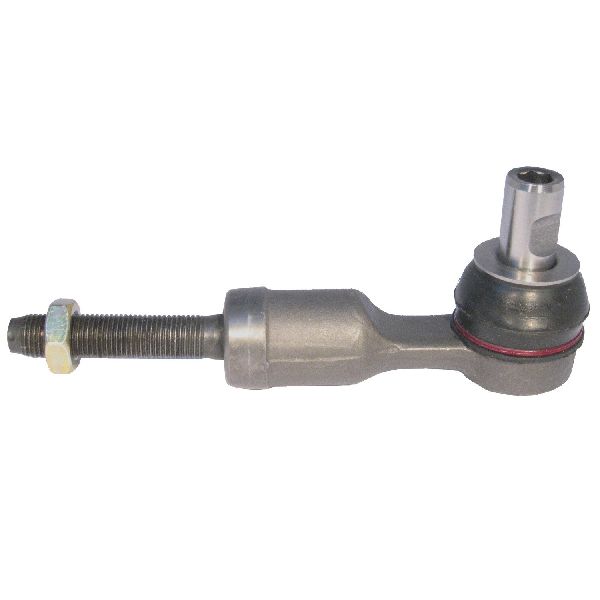
OEM Part Numbers: 4B0419801M
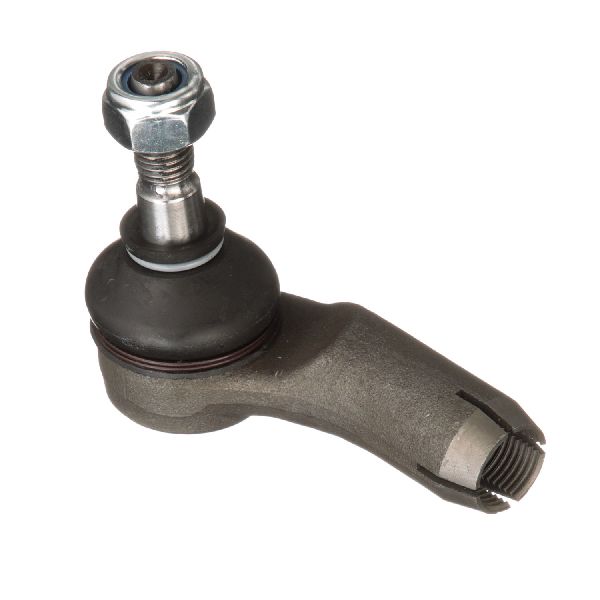
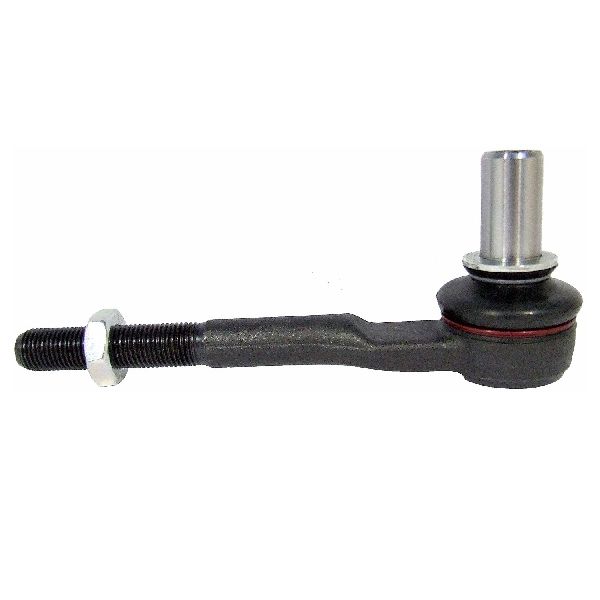
This guide covers the outer steering tie rod end for the Audi A6 (C5 platform). The replacement procedure is identical for the left and right sides.
We Have This Part in Stock

The information in this article is provided for general reference and educational purposes only. Vehicle specifications, procedures, and part compatibility can vary by production date, trim level, and region. Always consult your vehicle's factory service manual and verify part numbers before purchasing or performing repairs. Safety-critical components such as airbags, seat belts, and braking systems should be installed by a qualified professional.
- Audi A6:
- 🎬 Helpful Videos
- 🛍️ Shop This Part
- Is Your Audi A6 Steering Feeling Loose?
- Symptoms of a Failing Tie Rod End
- Safety First: Alignment is Not Optional
- Choosing the Right Aftermarket Tie Rod End
- Tier 1: OEM Quality & Premium Aftermarket
- Tier 2: Solid Mid-Range Options
- Tier 3: Budget-Friendly
- Pro Tip: Replace in Pairs
- Common Ordering Mistakes
- Frequently Asked Questions (FAQ)
- 🎟️ Get 5% Off