

A Guide to the A/C Compressor Clutch for the 1995-2005 Buick Century
Get your Buick's air conditioning blowing cold again by understanding this common failure point.
- Confirm the clutch is the problem; low refrigerant or electrical faults can present similar symptoms.
- Replacing only the clutch is a cost-effective repair that avoids opening the sealed A/C system.
- A noisy clutch bearing should be addressed immediately to prevent it from seizing and breaking the serpentine belt.
- Special tools like snap ring pliers and possibly a puller are required for this job.
Is Your Buick Century's A/C Clutch Failing?
A faulty A/C compressor clutch is a common reason for air conditioning problems in the 1995-2005 Buick Century. Recognizing the signs of failure can help you decide on the right repair. The most common symptoms include a lack of cold air from the vents, intermittent cooling that switches between cold and warm, or strange noises coming from the engine bay when the A/C is on.
Listen for These Noises
A grinding or squealing sound when the A/C is turned on often points to a worn-out bearing inside the clutch pulley. If you hear a loud rattling or if the noise is present even when the A/C is off, the bearing may be close to seizing. A seized pulley can damage the serpentine belt, which powers other critical engine components.
Choosing the Right Aftermarket Part
When the A/C clutch fails on your Century, you have two main repair options: replace the entire A/C compressor assembly, or replace only the clutch component. For many owners, replacing just the clutch is a smart, cost-effective choice. The biggest advantage is that this repair can often be done without opening the sealed refrigerant system, saving you the cost of evacuating and recharging the A/C.
Four Seasons is a widely available aftermarket brand for these clutches. As a standard replacement part, it offers an affordable solution to get your A/C working again. However, owner reviews for aftermarket A/C components are often mixed. While many have success and long-lasting repairs, some have reported receiving parts that were noisy or failed prematurely. It is a trade-off between the lower cost of the aftermarket part and the higher price and potential scarcity of an original OEM compressor. Given the age of the vehicle, a new aftermarket clutch is a practical repair.
Clutch or Compressor?
If your A/C system was cooling properly before the clutch failed (and the compressor itself isn't leaking or making noise internally), replacing only the clutch assembly is a reasonable repair. If the compressor has failed internally, it can send metal debris throughout the A/C system, requiring a much more extensive repair including a full compressor replacement.
Frequently Asked Questions
Can I replace just the A/C clutch?
Yes. If the compressor itself is still in good condition, replacing only the clutch assembly is a viable and cost-effective repair. This avoids the need to open the refrigerant system.
Do I need special tools for this job?
Yes, you will likely need a set of snap ring pliers to remove the clips holding the pulley and clutch in place. Depending on how stuck the old pulley is, a gear puller may also be necessary to remove it without damaging the compressor.
Will I have to recharge the A/C system after replacing the clutch?
Typically, no. The A/C compressor clutch is mounted on the outside of the compressor body. It can usually be replaced without disconnecting the refrigerant lines, meaning you will not need to evacuate and recharge the system.
Why isn't my A/C cold after replacing the clutch?
If the new clutch engages but the air isn't cold, the problem lies elsewhere in the A/C system. The most common causes are low refrigerant due to a leak, a bad pressure switch, or an issue with the blend doors that direct airflow inside the cabin. It's important to confirm the system is properly charged with refrigerant.
Technical Specifications
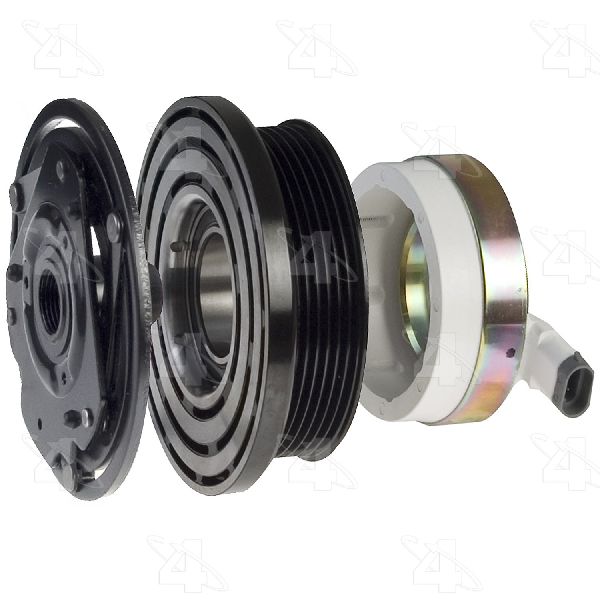
Assembly includes clutch plate, pulley with pre-installed bearing, and electromagnetic coil. Check for correct pulley diameter and belt groove count before installation.
We Have This Part in Stock

The information in this article is provided for general reference and educational purposes only. Vehicle specifications, procedures, and part compatibility can vary by production date, trim level, and region. Always consult your vehicle's factory service manual and verify part numbers before purchasing or performing repairs. Safety-critical components such as airbags, seat belts, and braking systems should be installed by a qualified professional.
- Buick Century: