

Brake Master Cylinder Guide for the 1995-2005 Cadillac DeVille
If your DeVille's brake pedal feels spongy or sinks to the floor, your master cylinder has likely failed.
- A spongy or sinking brake pedal is the number one sign of a failed master cylinder on your DeVille.
- Driving with a bad master cylinder is not safe; the vehicle should be repaired immediately.
- You MUST bench bleed the new master cylinder before installation to ensure proper brake function.
- For this repair, choosing a quality aftermarket brand like Raybestos or Centric is a reliable and cost-effective option.
Is Your Brake Pedal Trying to Tell You Something?
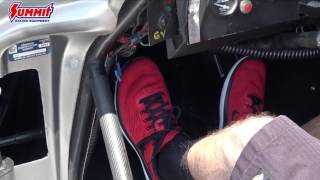
For the 1995-2005 Cadillac DeVille, the most common reason for replacing the brake master cylinder is a change in brake pedal feel. Over many years and miles, the rubber seals inside the cylinder's bore wear out. When this happens, brake fluid leaks internally past the seals instead of building pressure. This leads to the classic, unmistakable symptom: a brake pedal that feels soft, spongy, or slowly sinks to the floor when you hold it down. 🎬 Watch this video to help diagnose your spongy brake pedal. You might also notice that the brake fluid in the reservoir has turned dark and contaminated from the deteriorating rubber seals.
Safety First: Do Not Drive with a Bad Master Cylinder
A sinking or spongy brake pedal means your brakes are unreliable and can fail without warning. The vehicle is not safe to drive and should be towed for repair.
Choosing the Right Aftermarket Master Cylinder
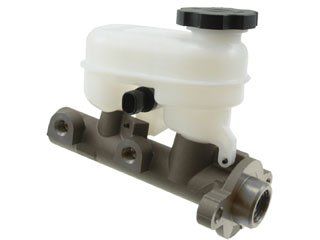
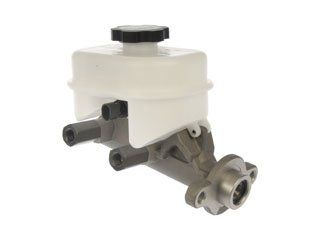
For a vehicle like the '95-'05 DeVille, a new aftermarket master cylinder is a practical and reliable choice. OEM parts can be expensive and hard to find, and quality aftermarket brands provide the same performance for less money. Here’s a breakdown of common brands:
- Professional Grade (Raybestos, Centric): These brands are well-regarded by professional technicians and experienced DIYers. Raybestos, in particular, has a long-standing reputation for quality hydraulic components that meet or exceed original specifications. Centric is also a solid choice, known for good quality parts across their catalog. For a critical safety part, spending a little more for a brand in this tier is a wise investment.
- Standard Replacement (Dorman): Dorman is known for making a huge variety of aftermarket parts and sometimes even improving on the original factory design. However, their quality can be inconsistent, often described as "hit or miss" in forums. While often the most readily available and affordable option, some have reported premature failures on hydraulic parts.
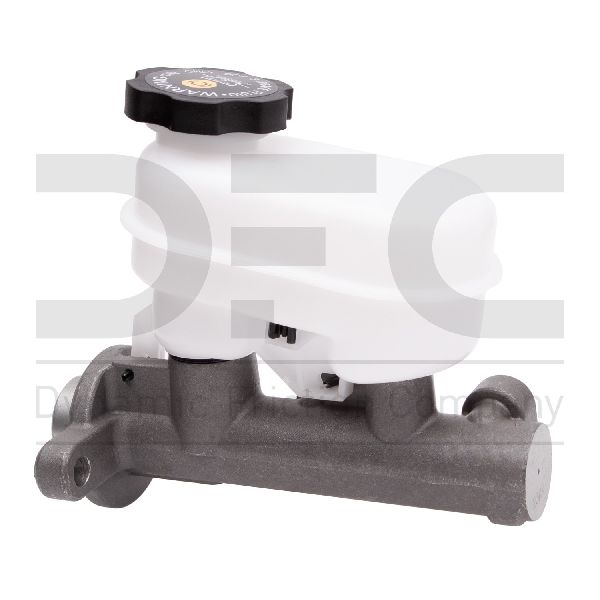
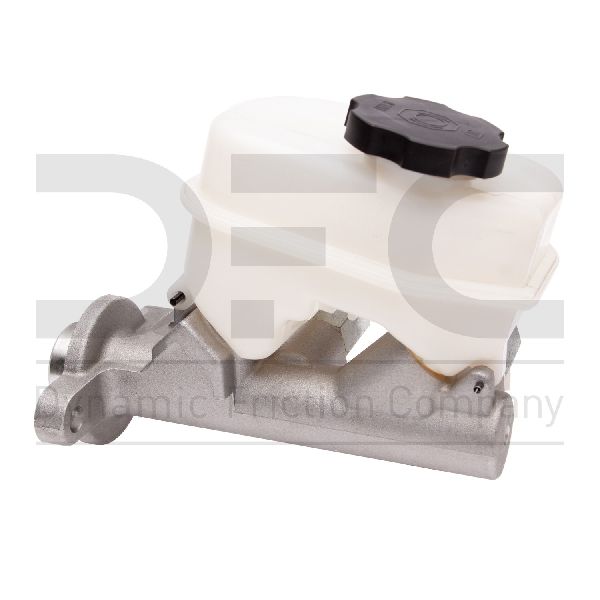
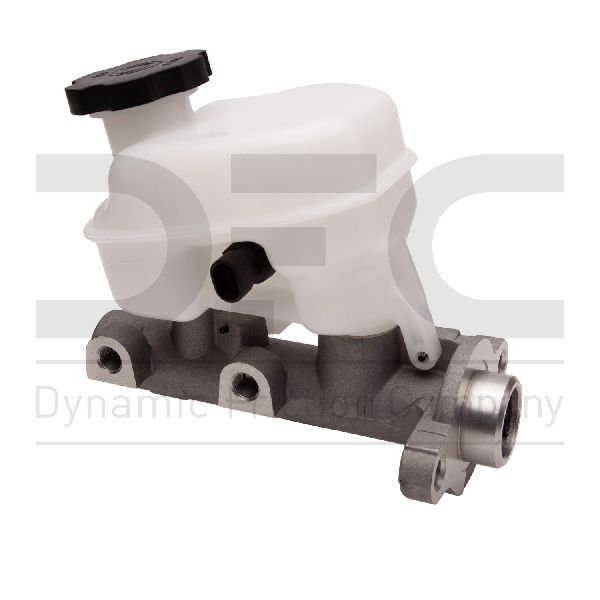
- Other Brands (Dynamic Friction): While this brand may offer a suitable part, there is less public feedback and fewer professional reviews available compared to more established names like Raybestos or Centric.
The Most Important Step: Bench Bleeding
You absolutely must "bench bleed" your new master cylinder before installing it in the car. This process removes trapped air from inside the cylinder. Trying to bleed it once it's installed on the angled firewall of the DeVille is nearly impossible and will result in a spongy pedal no matter how much you bleed the wheel calipers. Most new master cylinders come with a simple plastic kit of fittings and hoses for this purpose. You will mount the new cylinder in a vise, fill it with fresh DOT 3 brake fluid, and use a screwdriver to slowly pump the internal piston until no more air bubbles come out of the hoses.
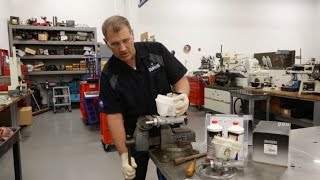
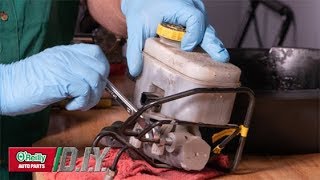
🎬 See a step-by-step demonstration on how to bench bleed correctly.Known Issues for This Vehicle
Searches for official recalls and Technical Service Bulletins (TSBs) from the National Highway Traffic Safety Administration (NHTSA) did not reveal any specific, widespread defects or recall campaigns for the brake master cylinder on the 1995-2005 Cadillac DeVille. Failure is typically due to normal age and wear of the internal seals.
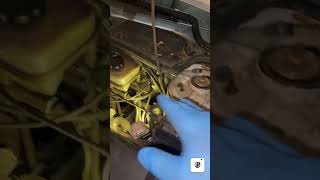
🎬 Watch a complete master cylinder replacement on a Cadillac DeVille.Frequently Asked Questions
Is a sinking brake pedal always the master cylinder?
Almost always. If the pedal sinks but you don't see any visible fluid leaks under the car, it points to an internal leak inside the master cylinder. If you do have a sinking pedal AND a visible leak on the ground, you could have a ruptured brake line or failed caliper, which is also extremely dangerous.
My brake pedal is hard, not soft. Is it the master cylinder?
No, a hard pedal that requires a lot of effort to stop the car is typically a symptom of a failing brake booster, the large, round component the master cylinder is bolted to. The master cylinder itself is not the cause of a hard pedal.
What kind of brake fluid should I use for my DeVille?
The 1995-2005 Cadillac DeVille requires DOT 3 brake fluid. This is usually printed on the reservoir cap. Always use new fluid from a sealed container, as brake fluid absorbs moisture over time, which can cause corrosion and reduce performance.
Can I reuse my old reservoir on the new master cylinder?
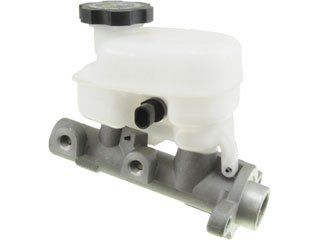
Most new aftermarket master cylinders for the DeVille come complete with a new reservoir and fluid level sensor. It is highly recommended to use the new reservoir provided. If you must transfer an old one, it needs to be cleaned meticulously to avoid contaminating the new cylinder.
Helpful Videos
Technical Specifications
Brake Fluid Type: DOT 3
We Have This Part in Stock

The information in this article is provided for general reference and educational purposes only. Vehicle specifications, procedures, and part compatibility can vary by production date, trim level, and region. Always consult your vehicle's factory service manual and verify part numbers before purchasing or performing repairs. Safety-critical components such as airbags, seat belts, and braking systems should be installed by a qualified professional.
- Cadillac DeVille: