

Chevrolet Astro Engine Coolant Temperature Sensor Guide (1995-2005)
Solve poor fuel economy, rough idling, and overheating in your Astro van by understanding this critical engine sensor.
- A faulty ECT sensor can cause poor fuel economy, black smoke, and overheating.
- Replacement is a simple, low-cost DIY job for most owners, located near the thermostat housing.
- For best results, choose an OEM-quality brand like ACDelco or Delphi to ensure accurate readings.
- No recalls have been issued for this part on the 1995-2005 Astro.
Symptoms of a Failing Coolant Temperature Sensor
A bad coolant temperature sensor on your Astro can cause a variety of problems that might seem unrelated. The van's computer relies on accurate temperature readings, and when the signal is wrong, it makes bad decisions that affect engine performance. You might notice one or more of the following issues:
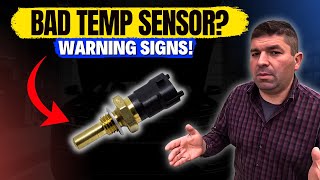
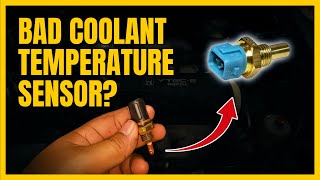
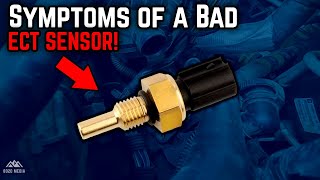
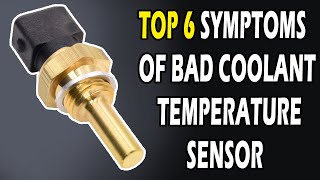
🎬 Watch: 8 common symptoms of a failing coolant sensor- Poor Fuel Economy: If the sensor incorrectly tells the computer the engine is always cold, the computer will continuously send extra fuel. This rich fuel mixture wastes gas and you'll find yourself at the pump more often.
- Check Engine Light: The computer will trigger the Check Engine Light if it detects a problem with the sensor's signal, often storing codes like P0115, P0117, or P0118.
- Black Smoke from Exhaust: An overly rich fuel mixture may not burn completely in the engine. This unburnt fuel then burns in the hot exhaust pipe, creating black smoke.
- Engine Overheating: A faulty sensor might fail to signal the computer to turn on the cooling fans when the engine gets hot, leading to overheating.
- Rough Idle or Stalling: Incorrect fuel mixture adjustments can make the engine run rough, shake, or even stall when you're stopped.
- Hard Starting: The computer needs the correct temperature to set the right fuel mixture for starting a cold or hot engine. A bad sensor can make the engine difficult to start. 🎬 Watch how a bad sensor causes hot start problems
- Erratic Temperature Gauge: The gauge on your dashboard might swing wildly, stay on cold, or jump to hot unexpectedly, even if the engine temperature is normal.
Is it the Sensor or the Thermostat?
Sometimes a failing thermostat can mimic the symptoms of a bad ECT sensor. If the temperature gauge never reaches the normal operating range (around 195°F), it could be a thermostat that is stuck open, not a faulty sensor. It's wise to check the cooling system for proper coolant levels and any air pockets before replacing parts.
Choosing the Right Aftermarket Sensor
For a critical component like the ECT sensor, quality matters. While many aftermarket options are available, they are not all created equal. For GM vehicles like the Astro, some brands are known for being Original Equipment (OE) suppliers, offering the best fit and reliability.
- Top Tier (OEM Quality): Brands like ACDelco (the genuine GM parts brand) and Delphi are often the original equipment manufacturers for General Motors. Choosing one of these is the safest bet for performance and longevity that matches the factory part. They are engineered specifically for your Astro's 4.3L engine.
- Reliable Aftermarket: Brands like Standard Motor Products (SMP), NGK, and Beck Arnley have a strong reputation in the aftermarket. They often produce high-quality sensors that meet or exceed OE specifications and are a dependable choice if an OEM-branded part isn't available.
- Budget Options: Brands like Four Seasons, Walker Products, and other store-brands can be a cost-effective solution. However, some forum users have reported issues with inaccurate readings from budget sensors, leading to confusion and further diagnosis. While they may work fine, the risk of getting a part with poor accuracy is higher.
Pro Tip: Given the low cost of even top-tier sensors and the important role they play, spending a few extra dollars on a brand like Delphi or ACDelco is a smart investment to avoid future headaches.
Typical Replacement Costs
Replacing the ECT sensor on a 1995-2005 Astro is an affordable repair. The part itself is inexpensive, and if you do it yourself, the cost is minimal. A professional shop will add labor charges.
| Item | Estimated Cost |
|---|---|
| New Aftermarket Part | $12.58 - $37.74 |
| New OEM Part (ACDelco) | $25 - $50 |
| Shop Labor | $80 - $150 |
| Total Professional Replacement | $95 - $200 |
Note: Prices are estimates and can vary based on location, specific brand, and vehicle condition. The labor cost estimate from some sources may be higher.
Frequently Asked Questions (FAQ)
Where is the Engine Coolant Temperature Sensor located on a 1995-2005 Astro?
On the 4.3L V6 engine, the primary ECT sensor (for the computer) is typically located on the front of the intake manifold, near the thermostat housing. Some earlier models may have a second sensor or switch on the driver's side cylinder head, which is just for the dashboard temperature gauge. Accessing it requires removing the interior engine cover, often called the "doghouse."
🎬 See this step-by-step sensor replacement for the Astro V6Can I replace this sensor myself?
Yes, this is a very feasible DIY job for most home mechanics. It involves removing the engine doghouse, unplugging the electrical connector, and using a wrench or deep socket to unscrew the old sensor. Be prepared for a small amount of coolant to leak out when you remove the sensor; have the new sensor ready to install quickly to minimize loss.
What happens if I ignore a bad ECT sensor?
Ignoring a bad sensor can lead to several problems. Persistently poor fuel economy will cost you money. A rich fuel mixture can, over time, damage the catalytic converter with unburnt fuel. Most critically, if the sensor fails to detect an overheating condition, it could lead to severe engine damage.
Are there any recalls for the Astro's coolant sensor?
No, searches of the National Highway Traffic Safety Administration (NHTSA) database did not find any recalls specifically for the engine coolant temperature sensor on the 1995-2005 Chevrolet Astro. A Technical Service Bulletin (TSB) for other GM vehicles mentions a code P111E related to the ECT sensor, but this applies to much newer models and is not relevant to this generation of Astro.
Do I need a special tool to replace the sensor?
Usually, no special tool is required. A standard deep socket or wrench will work. However, access can be tight, so having a variety of extensions and swivels for your ratchet can make the job easier. A video guide shows the replacement being done with basic hand tools.
Helpful Videos
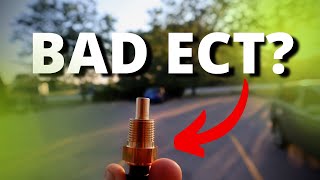

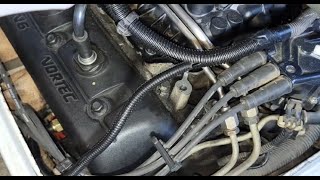
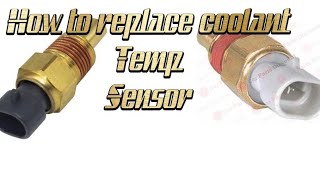
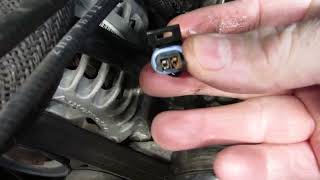
Technical Specifications
OEM Part Numbers: 12146312 15326386 213-4333 213-77 213-928
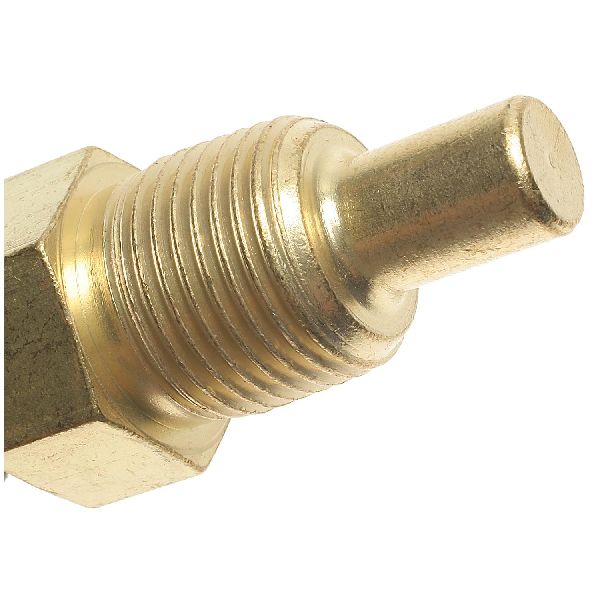
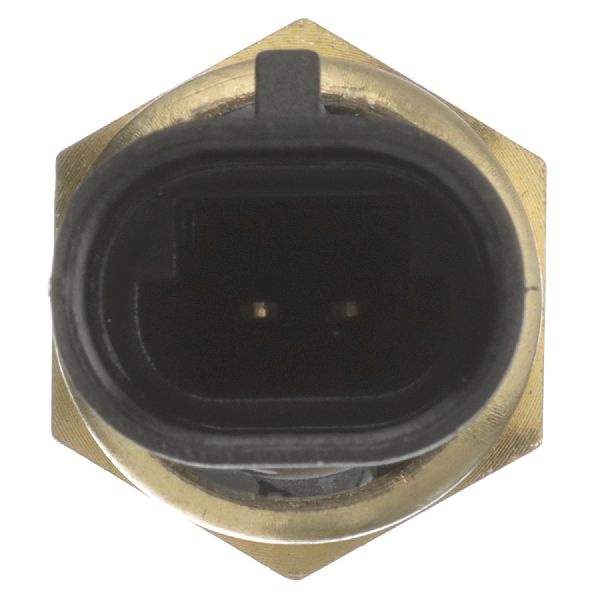
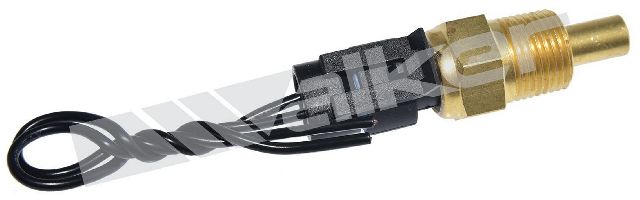
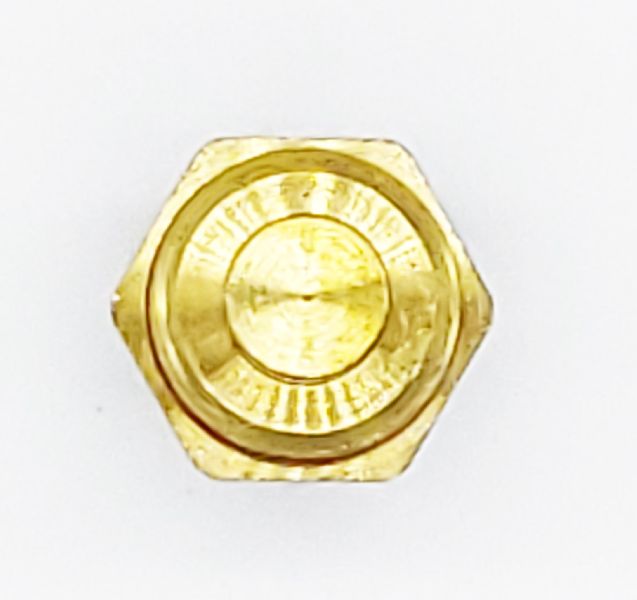
The sensor for the ECM is a two-wire thermistor that changes resistance based on temperature. It typically has a 3/8" - 18 NPTF thread size and a 2-pin female connector. Some earlier models may use a separate single-wire sender for the dash gauge.
We Have This Part in Stock



The information in this article is provided for general reference and educational purposes only. Vehicle specifications, procedures, and part compatibility can vary by production date, trim level, and region. Always consult your vehicle's factory service manual and verify part numbers before purchasing or performing repairs. Safety-critical components such as airbags, seat belts, and braking systems should be installed by a qualified professional.
- Chevrolet Astro: