

Choosing the Best Replacement Brake Pads for Your 1995-2005 Dodge Neon
Stop the squeaks and improve your stopping power by selecting the right aftermarket brake pads for your Neon.
- For most daily driven Neons, a quality aftermarket ceramic pad from a brand like Akebono or Wagner is a better choice than the original OEM pads.
- Always replace brake hardware (clips and shims) and lubricate caliper slide pins when installing new pads to prevent noise.
- Before ordering, confirm if your Neon has rear disc brakes (common on R/T, ACR models) or rear drum brakes to ensure you buy the correct parts.
- If you hear a grinding noise, stop driving. This indicates a critical failure where metal is grinding on metal, which is unsafe and damages other brake parts.
Signs of Failing Brake Pads on Your Neon
Original Dodge Neon brake pads were known for wearing out quickly and making a lot of noise. If you're hearing squealing or grinding, it's time for a change. Don't ignore these sounds, as they are key indicators that your brake pads are worn down.
- Squealing or Screeching: This high-pitched noise is often the first sign. It's caused by a small metal tab called a wear indicator touching the rotor, telling you the pads are thin.
- Grinding Noise: If you hear a deep, metallic grinding, stop driving immediately. This means the pads are completely worn away, and the metal backing plate is grinding against the rotor, causing severe damage.
- Longer Stopping Distance: If your Neon takes longer to stop than it used to, your pads are likely worn and can't create enough friction.
- Vibration or Pulsing: While often a sign of warped rotors, this can also happen when brake pad material transfers unevenly to the rotor surface.
Choosing the Right Aftermarket Brake Pads
For a vehicle like the 1995-2005 Neon, the aftermarket offers a wide variety of brake pads that are often a significant upgrade over the original factory parts in terms of noise, dust, and performance. The key is to match the pad to your driving style.
Tier 1: Daily Driver - Quiet, Clean, and Reliable
For most Neon owners who use their car for commuting and daily errands, a quality ceramic or premium semi-metallic pad is the best choice. These pads offer great stopping power for normal use, are designed to be quiet, and produce minimal brake dust to keep your wheels clean.
- Akebono: Often considered a top choice for quiet operation and very low dust.
- Wagner ThermoQuiet / OEX: Known for durability and quiet performance, making them a solid, long-lasting option.
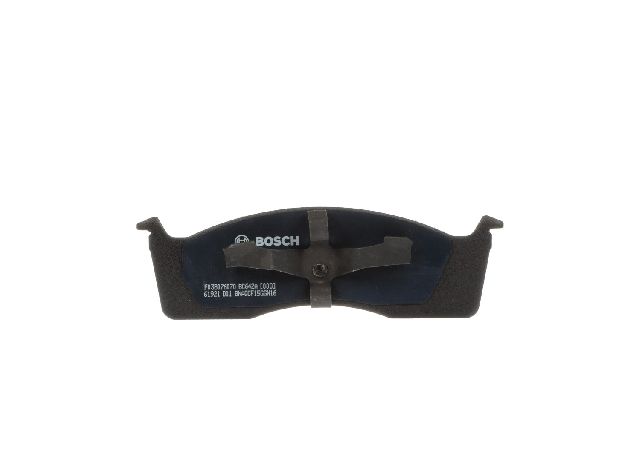
- Bosch QuietCast: A popular and reliable choice that balances performance, low noise, and affordability.
- Raybestos Element3 / EHT: Another trusted brand offering excellent, OEM-quality performance for daily driving.
Tier 2: Performance Street - For the Spirited Driver
If you enjoy more spirited driving or have a performance-oriented Neon like an R/T or ACR, a street-performance pad will provide a stronger initial bite and better resistance to brake fade during hard stops. The trade-off can be slightly more dust and potential for noise.
- Hawk HPS (High Performance Street): A very popular upgrade for Neon enthusiasts, offering a noticeable improvement in stopping power without being too aggressive for the street.
- EBC Greenstuff / Redstuff: EBC offers a range of pads. Greenstuff is a good first step up from stock, while Redstuff is for faster street use, with both focusing on reduced dust.
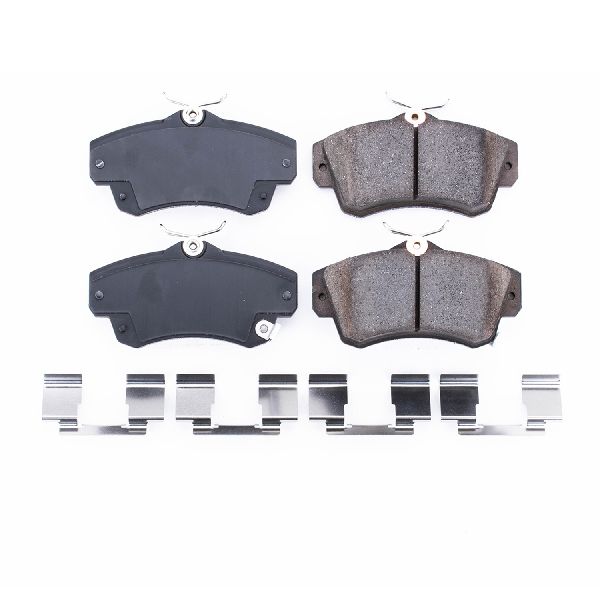
- Powerstop Z17 / Z23 Kits: These kits, which include pads and rotors, are a popular all-in-one solution. Reviews are mixed, with some users loving the value and performance, while others report noise or fitment issues.
Tier 3: Autocross & Track - Maximum Stopping Power
For Neons that see time on the autocross course or race track, a dedicated performance pad is necessary. These pads can handle extreme heat but are not ideal for daily driving. They are often noisy, create a lot of dust, and may have poor performance when cold.
- Hawk HP+: A step above HPS, designed for street driving and light track use. Expect more noise and dust.
- EBC Yellowstuff: A well-regarded pad for aggressive street use and track days, offering excellent heat tolerance.
Pro Tip: The PT Cruiser Big Brake Upgrade
A popular and well-documented modification for Neon enthusiasts is to install the front brake calipers, rotors, and pads from a non-turbo PT Cruiser. This is a bolt-on upgrade that provides a larger caliper piston, a bigger brake pad, and a larger diameter rotor, which significantly improves heat dissipation and stopping power. If you are looking for a serious, budget-friendly brake upgrade, this is a proven path.
Cost to Replace Dodge Neon Brake Pads
| Part Type | Price Range (Parts Only) |
|---|---|
| New Aftermarket Brake Pads | $15.87 - $201.59 |
| Shop Labor Estimate | $98 - $143 |
Frequently Asked Questions (FAQ)
Ceramic vs. Semi-Metallic pads for my Neon?
Ceramic pads are generally the best choice for a daily driven Neon. They are quiet, produce very little dust, and are gentle on your brake rotors. Semi-metallic pads can offer slightly better performance in extreme cold or high-heat situations but are typically noisier and create more black dust.
Why are my new brakes squeaking?
New brakes can squeak for a few reasons. First, they need to be "bedded-in" to mate properly with the rotors. Second, the noise could come from not replacing the hardware (clips and shims) or not applying brake lubricant to the correct contact points on the caliper and pads. Always use new hardware and proper lubrication when installing new pads.
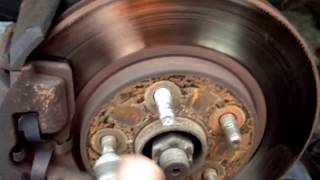
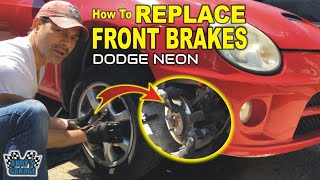
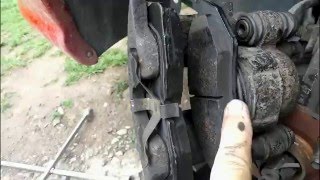
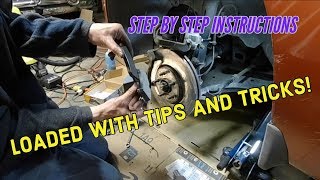
🎬 Watch this step-by-step walkthrough for replacing your front brake pads.Do I need to replace my rotors with my pads?
It is highly recommended. If your rotors are worn thin, have a significant "lip" on the edge, or show signs of heavy scoring or discoloration, they must be replaced. Installing new pads on old, worn rotors will cause noise, reduce performance, and wear out your new pads much faster.
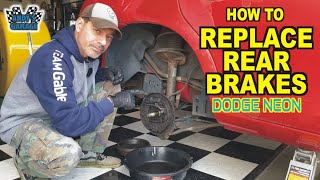
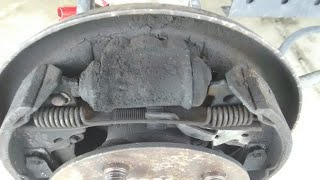
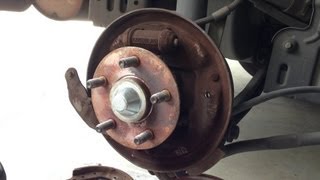
🎬 See how to change the rear shoes and drums properly.What are the signs of a sticking caliper?
On first-generation Neons, in particular, sticking front calipers can be an issue, sometimes caused by an internally collapsed rubber brake hose. Signs include the car pulling to one side, a burning smell after driving, or one wheel being significantly hotter than the others. If a caliper is sticking, it must be replaced or rebuilt along with the pads.
🎬 Watch: How a collapsed flex line mimics a sticking caliper.Helpful Videos
Technical Specifications
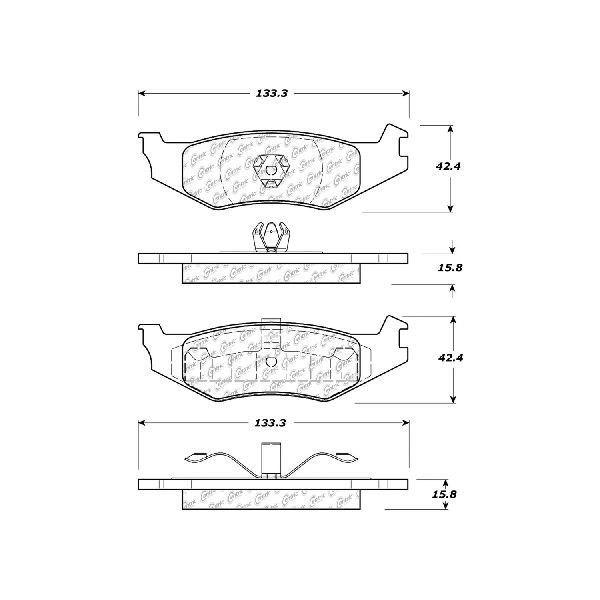
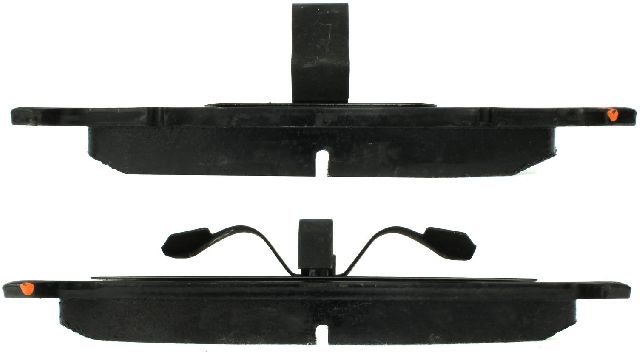
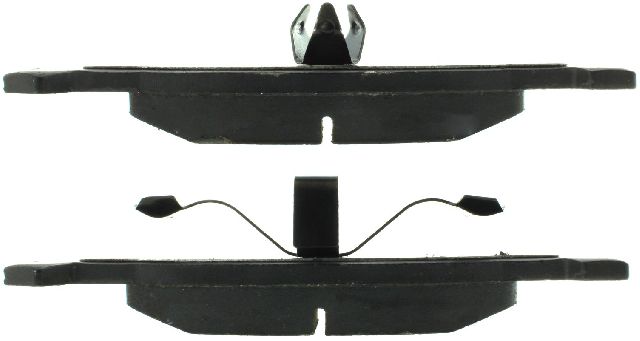
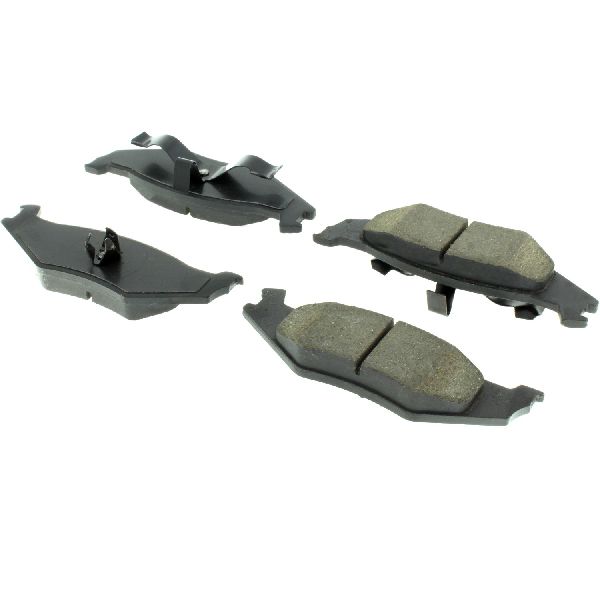
Brake pad sets differ between the first generation (1995-1999) and second generation (2000-2005) Neon. Additionally, models with rear disc brakes (like the R/T and ACR) use a different rear pad than the front. Always verify the specific part number for your vehicle's year, trim, and brake configuration (front or rear) before purchasing.
We Have This Part in Stock

The information in this article is provided for general reference and educational purposes only. Vehicle specifications, procedures, and part compatibility can vary by production date, trim level, and region. Always consult your vehicle's factory service manual and verify part numbers before purchasing or performing repairs. Safety-critical components such as airbags, seat belts, and braking systems should be installed by a qualified professional.
- Dodge Neon:
- 🎬 Helpful Videos
- 🛍️ Shop This Part
- Signs of Failing Brake Pads on Your Neon
- Choosing the Right Aftermarket Brake Pads
- Tier 1: Daily Driver - Quiet, Clean, and Reliable
- Tier 2: Performance Street - For the Spirited Driver
- Tier 3: Autocross & Track - Maximum Stopping Power
- Pro Tip: The PT Cruiser Big Brake Upgrade
- Cost to Replace Dodge Neon Brake Pads
- Frequently Asked Questions (FAQ)
- 🎟️ Get 5% Off