

Engine Camshaft Position Sensor: A Guide for 1995-2005 Dodge Neon Owners
Solve common stalling, rough idle, and no-start problems by understanding your Neon's camshaft position sensor.
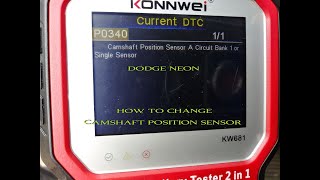
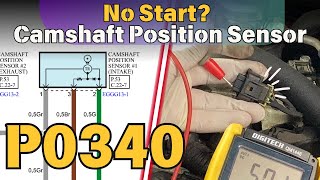
- A failing sensor is a very common cause of a no-start or stalling condition, often with a P0340 trouble code.
- For reliability, choose an OEM (Mopar) or a top-tier aftermarket brand like Delphi or NGK.
- Replacement is simple for DIYers and requires removing the battery for access.
- It is highly recommended to replace the camshaft magnet at the same time as the sensor.
Is Your Neon Stalling or Hard to Start? It Could Be the Camshaft Sensor.

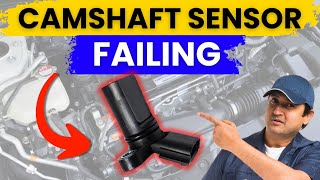
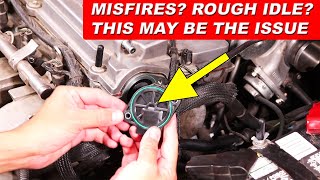
A failing camshaft position sensor in a 1995-2005 Dodge Neon can cause some frustrating problems. Often, the first sign is the Check Engine Light coming on. The most common trouble code associated with this part is P0340, which points directly to a malfunction in the sensor's circuit. You might find your car is hard to start, or it might crank but not start at all. Other common symptoms include the engine stalling unexpectedly, a rough or unstable idle, a noticeable loss of power, and reduced fuel economy. In some cases, a bad sensor can even cause shifting problems with the automatic transmission.
Don't Ignore the Signs
While you might be able to drive for a short time with a failing sensor, it's not recommended. A complete failure can leave you stranded without warning when the engine stalls and refuses to restart. Addressing the issue promptly prevents further damage and ensures your car is reliable.
Choosing the Right Aftermarket Sensor for Your Neon

When it comes to electronic sensors, quality matters. While budget-friendly options are available, owner experiences suggest that very cheap, no-name sensors can fail prematurely, causing you to do the job all over again. For a critical part like this, it's often best to choose a reputable brand.
- Top-Tier Aftermarket (Recommended): Brands like Delphi, NGK (NTK), and Hitachi are known for making sensors that meet or exceed original equipment (OE) specifications. They offer a good balance of quality and price, providing reliability that is often comparable to the original Mopar part.
- Mid-Grade Aftermarket: Brands such as Standard Ignition (SMP), Dorman, and Walker Products are popular choices that generally offer decent quality. They are widely available and can be a reliable solution for many owners.
- Economy Brands: While the low price is tempting, be cautious with the cheapest options. Forum discussions and mechanic feedback often point to a higher failure rate for budget sensors. If your budget is tight, they can get you back on the road, but be aware that you may be replacing it again sooner than you'd like.
Consider Replacing the Magnet and Connector
The camshaft position sensor on many Neons works with a separate magnet that is bolted to the camshaft itself. Mechanics often recommend replacing this magnet at the same time as the sensor, as they can crack or weaken over time. Also, inspect the wiring connector for any signs of corrosion, brittleness, or damage, as a bad connection can mimic the symptoms of a failed sensor.
Typical Replacement Costs
The cost to replace the camshaft position sensor on a Dodge Neon is reasonable, especially if you do the work yourself. The part itself has a wide price range depending on the brand you choose.
| Item | Estimated Cost |
|---|---|
| New Aftermarket Part | $19 - $127 |
| New OEM (Mopar) Part | $90 - $130 |
| Shop Labor | $60 - $120 |
| Total Professional Replacement | $110 - $250 |
Frequently Asked Questions

Where is the camshaft position sensor located on a 1995-2005 Dodge Neon?
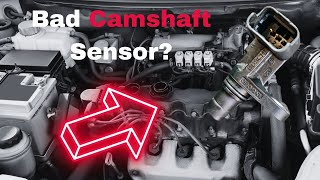
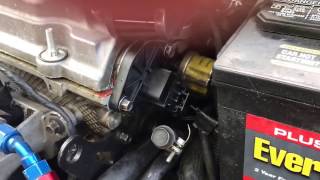
The sensor is located on the driver's side of the engine, on the cylinder head. To access it, you will typically need to remove the battery. It is mounted to the head with a few small bolts.
Can I replace this sensor myself?
Yes, this is a very DIY-friendly job for most home mechanics. The process involves disconnecting the battery, removing it to gain access, unplugging the sensor's electrical connector, and unbolting the old sensor. The most common tools needed are an 8mm or 5/16" socket, a 10mm socket, and a 13mm socket for the battery hold-down. The entire job usually takes less than an hour.
Do I need to replace the magnet too?
It is highly recommended. The sensor reads a magnet attached to the end of the camshaft. These magnets can become cracked or lose strength over time. Since you already have everything apart, replacing the magnet is a cheap and easy way to ensure the repair is done right the first time.
What is the difference between the SOHC and DOHC sensor location?
The general location is the same for both the Single Overhead Cam (SOHC) and Double Overhead Cam (DOHC) 2.0L engines—on the driver's side of the cylinder head. However, the specific sensor and magnet part numbers may differ. The sensor on the DOHC engine is located on the end of the intake camshaft. Always confirm the part fits your specific engine type before ordering.
Are there any recalls for the Dodge Neon camshaft position sensor?
No, searches of the National Highway Traffic Safety Administration (NHTSA) database did not show any specific recalls for the camshaft position sensor on the 1995-2005 Dodge Neon. There was a recall for some newer 2016 Dodge and Jeep models for a wiring harness issue that affected the cam and crank sensors, but this does not apply to the Neon.
Helpful Videos
Technical Specifications
OEM Part Numbers: 4882851 4882851AA 4882851AB 5093508AA 5269705 5096057AA 4882850AC
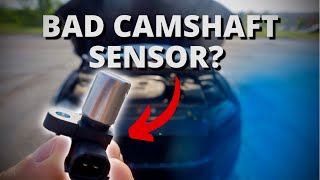
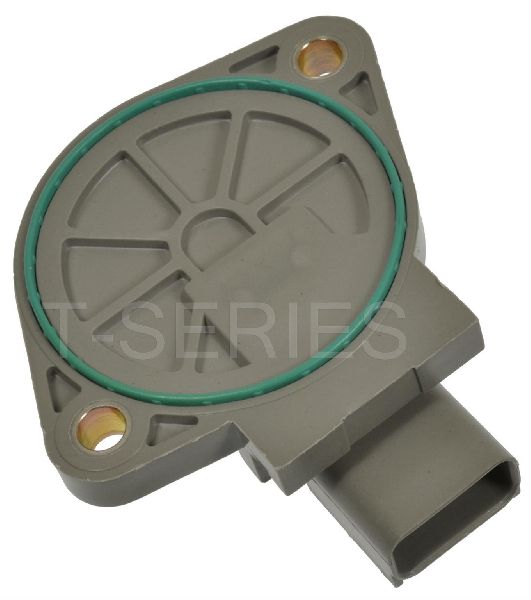
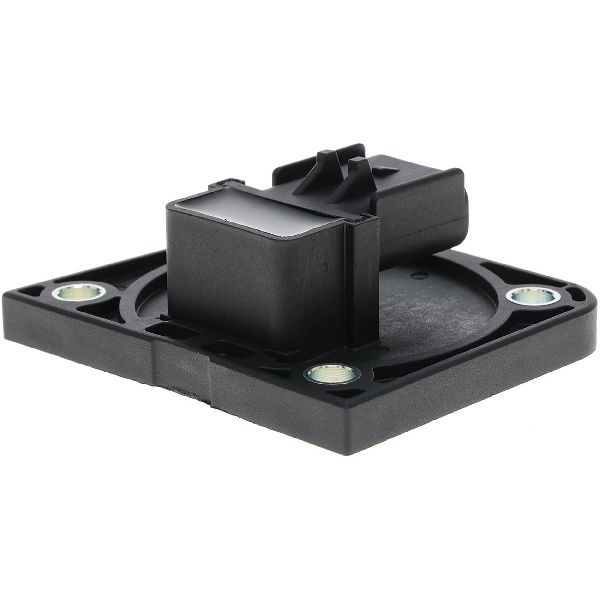
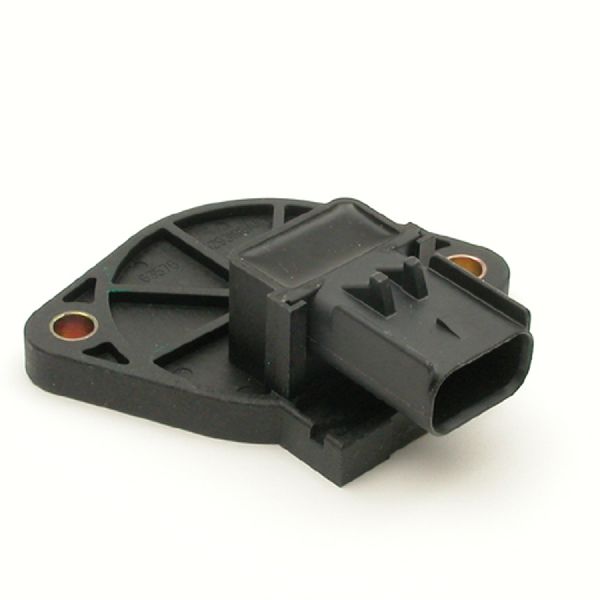
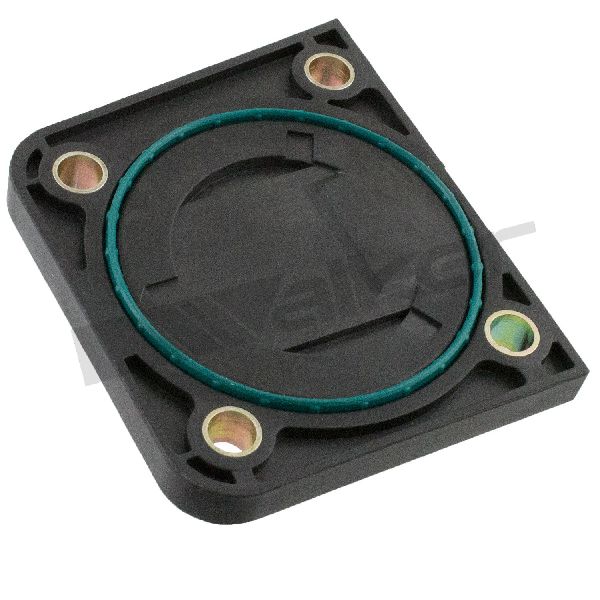
This is a Hall Effect-type sensor that reads a magnet on the end of the camshaft to determine its rotational position. It typically uses a 3-pin electrical connector. The sensor is located on the driver's side of the cylinder head and requires battery removal for access.
We Have This Part in Stock


The information in this article is provided for general reference and educational purposes only. Vehicle specifications, procedures, and part compatibility can vary by production date, trim level, and region. Always consult your vehicle's factory service manual and verify part numbers before purchasing or performing repairs. Safety-critical components such as airbags, seat belts, and braking systems should be installed by a qualified professional.
- Dodge Neon: