

Dodge Neon Engine Coolant Temperature Sensor Guide (1995-2005)
Is your Neon running rough, getting bad gas mileage, or overheating? Your coolant sensor might be the problem.
- A bad ECT sensor commonly causes poor fuel economy, overheating, and a Check Engine Light on a Neon.
- This is a beginner-friendly DIY repair that can be done in under an hour with a deep socket.
- Before replacing the sensor, always check the wiring and connector for damage, as oil leaks can cause similar issues.
- Premium aftermarket brands like Delphi or NGK offer a reliable alternative to the more expensive Mopar part.
Is Your Neon's Coolant Temp Sensor Failing?
A bad coolant temperature sensor can cause a surprising number of problems with your 1995-2005 Dodge Neon. Because the engine's computer relies on this sensor for critical information, a false signal can make the engine behave poorly. It might tell the computer the engine is always cold, causing it to run rich (too much fuel), or it might fail to warn the computer when the engine is actually overheating.
Common Symptoms of a Bad ECT Sensor:
- Poor Fuel Economy: If the sensor wrongly tells the computer the engine is cold, the computer will inject extra fuel, hurting your gas mileage.
- Check Engine Light: A faulty sensor will often trigger a Check Engine Light. Common trouble codes include P0118, 🎬 Watch: Diagnosing a P0118 code and testing the ECT sensor which points to a problem with the sensor's circuit.
- Engine Overheating: The sensor is responsible for telling the cooling fans to turn on. If it fails, the fans may not activate, causing the engine to overheat, especially in traffic.
- Black Smoke from Exhaust: This is a sign of a very rich fuel mixture, which can happen when the sensor is stuck on a "cold" reading.
- Hard Starting or Rough Idle: The engine may be difficult to start, especially when cold, or it may idle high and erratically.
- Inaccurate Temp Gauge: The temperature gauge on your dashboard might read incorrectly, stay on cold, or jump around wildly.
Check the Connector First!
Before you replace the sensor, inspect its electrical connector and wiring. On the Neon, the sensor is located on the driver's side of the cylinder head. Oil leaks from nearby components can damage the wiring insulation over time, causing a bad connection that mimics a failed sensor. A visual check for bare or damaged wires could save you from buying a part you don't need.
Choosing the Right Aftermarket Sensor
For a part like the ECT sensor, you don't always need to buy the expensive OEM part from the dealer. Many aftermarket brands offer reliable quality at a lower price. Here’s how they generally stack up for your Neon.
Tier 1: OEM or Premium Aftermarket
These brands are known for high-quality manufacturing and are often original equipment suppliers to many carmakers. They are your best bet for fit, finish, and long-term reliability.
- Mopar: This is the official OEM parts brand for Dodge. It's the benchmark for quality but also the most expensive option.
- NGK/NTK: A top-tier Japanese brand highly respected for its sensors and ignition components.
- Delphi: A major OEM supplier with a strong reputation for quality electronics.
Tier 2: Trusted Aftermarket Brands
These brands offer a great balance of quality and value. They are reliable choices for most daily-driven vehicles.
- Standard Ignition (SMP): A long-standing, reputable American company that produces reliable replacement parts.
- Walker Products: Known for fuel and engine management parts, offering a solid replacement option.
- Holstein: A brand focused on sensors that provides good quality for the price.
Tier 3: Economy Brands
These brands focus on being the most affordable option. They can be a good choice if budget is your primary concern, but may not have the same longevity as premium brands.
- Four Seasons
- Global Parts
- True Tech / Febi
| Part Type | Estimated Cost |
|---|---|
| New OEM (Mopar) | $40 - $125 |
| New Aftermarket | $13 - $118 |
| Shop Labor Cost | $61 - $90 |
Pro Tip: A Quick and Easy DIY Job
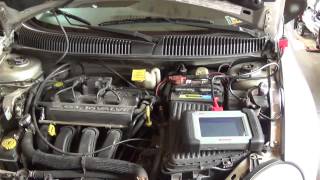
Replacing the ECT sensor on a Neon is a simple job most people can do at home in under an hour with basic tools. The sensor is located on the driver's side of the cylinder head, near the heater hoses. You may need to remove the battery and air intake tube for easier access. Using a 19mm or 3/4" deep socket, you can quickly swap the old sensor for the new one. Be prepared for a small amount of coolant to spill out.
Frequently Asked Questions
Where is the coolant temperature sensor on a 1995-2005 Dodge Neon?
The sensor is threaded into the rear of the cylinder head on the driver's side of the engine. It's usually located just below the heater hoses that go into the firewall.
Can I drive my Neon with a bad coolant temp sensor?
It is not recommended. If the sensor is failing to trigger the cooling fans, your engine could severely overheat, leading to major damage. If it's causing the engine to run very rich, you could damage your catalytic converter over time.
Are there any recalls for the Dodge Neon coolant sensor?
No, there are no specific recalls or Technical Service Bulletins (TSBs) from the NHTSA for the engine coolant temperature sensor on the 1995-2005 Dodge Neon.
Do I need to drain the coolant to replace the sensor?
You do not need to drain the entire cooling system. Only a small amount of coolant will leak out when you remove the sensor. If you are quick about swapping the old sensor for the new one, coolant loss will be minimal. Always work on a cold engine.
Helpful Videos
Technical Specifications
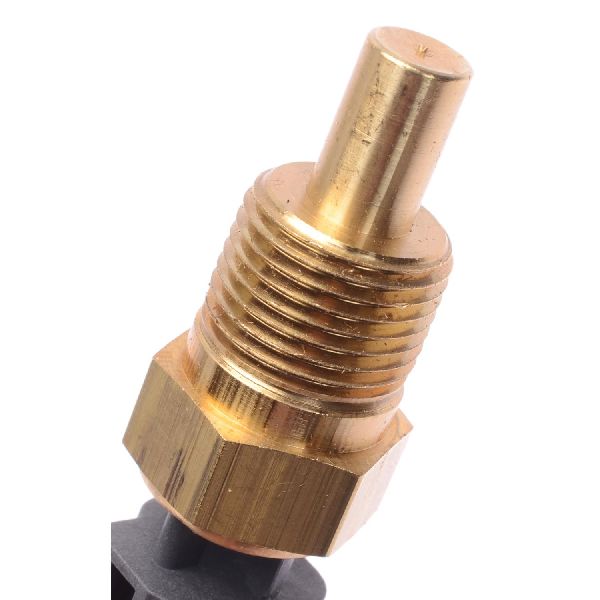
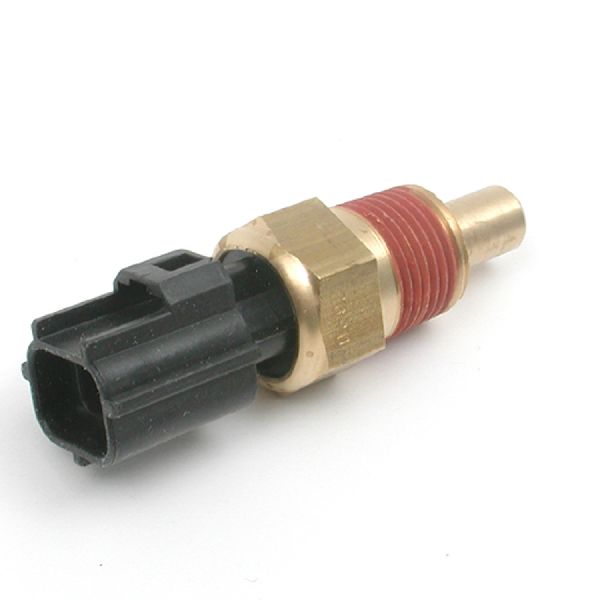
OEM Part Numbers: 56027873 5269870AB 04661341
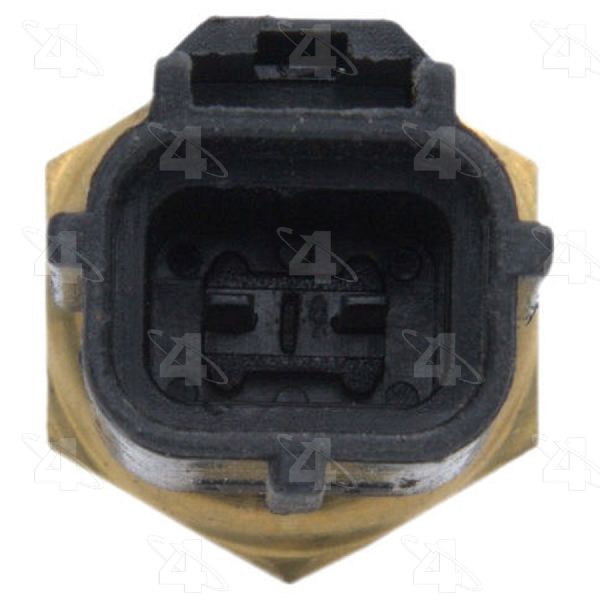
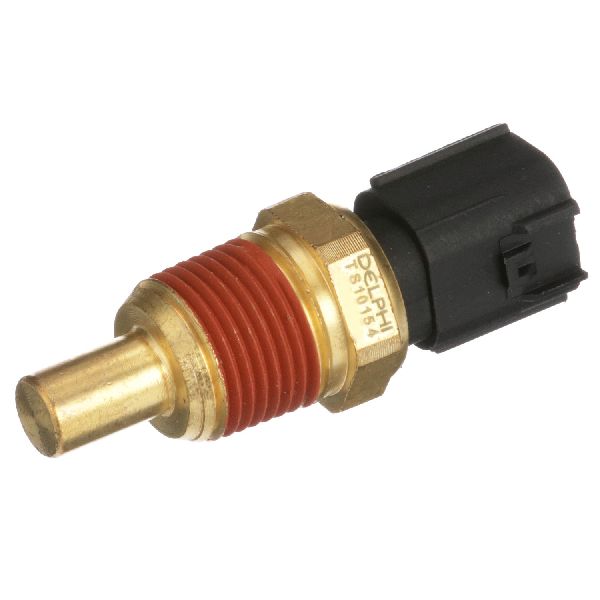
The sensor is a two-terminal thermistor that threads into the cylinder head. It requires a 19mm or 3/4" deep well socket for removal and installation. The recommended installation torque is 18 Nm (165 in-lbs).
We Have This Part in Stock


The information in this article is provided for general reference and educational purposes only. Vehicle specifications, procedures, and part compatibility can vary by production date, trim level, and region. Always consult your vehicle's factory service manual and verify part numbers before purchasing or performing repairs. Safety-critical components such as airbags, seat belts, and braking systems should be installed by a qualified professional.
- Dodge Neon:
- 🎬 Helpful Videos
- 🛍️ Shop This Part
- Is Your Neon's Coolant Temp Sensor Failing?
- Common Symptoms of a Bad ECT Sensor:
- Check the Connector First!
- Choosing the Right Aftermarket Sensor
- Tier 1: OEM or Premium Aftermarket
- Tier 2: Trusted Aftermarket Brands
- Tier 3: Economy Brands
- Pro Tip: A Quick and Easy DIY Job
- Frequently Asked Questions
- 🎟️ Get 5% Off