

Dodge Neon Engine Intake Manifold Temperature Sensor Guide (1995-2005)
Is your Neon running rough or throwing a P0113 code? Your intake temp sensor might be the culprit.
- A bad IAT sensor on a Neon almost always causes a P0113 Check Engine Light code.
- For 1996-2005 models, this is an extremely easy DIY replacement located on the air intake tube.
- Always check the sensor's wiring and connector for damage, as this is a common cause of failure.
- A quality aftermarket sensor from a brand like Standard Ignition is a cost-effective and reliable solution.
What is an Intake Air Temperature Sensor and Why Does it Fail?
Think of the Intake Air Temperature (IAT) sensor as a thermometer for your engine's airway. It's a simple thermistor, which is a resistor that changes its resistance value based on temperature. The engine computer sends it a 5-volt reference signal and reads the returning voltage to determine the air temperature. This data is vital for engine performance, fuel economy, and emissions control.
On a 1995-2005 Dodge Neon, these sensors can fail due to age, heat cycles, or damage to the wiring. The plastic housing can become brittle, and the internal resistor can fail. More commonly, the wiring and connector leading to the sensor can become frayed or damaged, causing an open or short circuit.
Important: Two Different Sensor Locations
There is a key difference between early and later first-generation Neons. On 1995 models, the IAT sensor is a screw-in type located directly on the intake manifold. For 1996-2005 models, the sensor is a push-in style located in the air filter housing or the black plastic intake tube leading to the throttle body. Always verify the location on your specific vehicle before ordering a part.
Common Symptoms of a Bad IAT Sensor
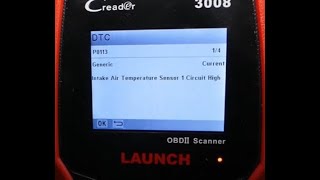
A failing IAT sensor will almost always trigger a Check Engine Light. The most common code associated with this failure on a Neon is P0113 (Intake Air Temperature Circuit High Input). This code usually means the computer is seeing a maximum voltage reading, which it interprets as an extremely cold temperature (like -40°F). 🎬 See how to diagnose and fix a P0113 error code. This typically happens because the sensor is unplugged or the wire is broken, creating an open circuit.
Other symptoms include:
- Poor fuel economy
- Rough or surging idle
- Hesitation or poor acceleration
- Hard starting, especially in cold weather
- Black smoke from the exhaust (less common)
OEM vs. Aftermarket Quality
For a simple sensor like the IAT, there is no significant advantage to buying a new OEM part from the dealer, which will be more expensive. Reputable aftermarket brands like Standard Ignition produce quality replacement sensors that meet or exceed original specifications. These parts are reliable and offer excellent value. Since the wiring connector is a common failure point, some aftermarket kits include a new connector pigtail, which can be a great all-in-one solution if your wiring is damaged.
Pro Tip: Check the Wires First!
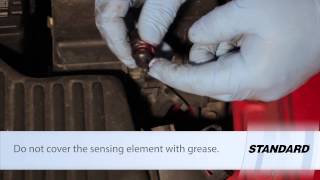
Before you replace the sensor, carefully inspect the wiring and the connector. Wires can become brittle and break inside the insulation right at the connector. A gentle tug on each wire can sometimes reveal a hidden break. 🎬 Watch this guide on inspecting sensor wiring for common faults. If the wiring is damaged, replacing just the sensor won't fix the P0113 code.
Known Issues, Recalls, or TSBs
Our search of the National Highway Traffic Safety Administration (NHTSA) database and technical service bulletins (TSBs) found no specific recalls or TSBs for the Intake Air Temperature sensor on the 1995-2005 Dodge Neon. While many recalls exist for the Neon, none address a systemic failure of this particular component.
Cost of Replacing a Dodge Neon IAT Sensor
| Part Type | Estimated Cost |
|---|---|
| New Aftermarket Sensor | $23 - $57 |
| Shop Labor | $50 - $100 |
| Total Estimated Cost (DIY) | $23 - $57 |
| Total Estimated Cost (Installed) | $73 - $157 |
Note: Costs are estimates and can vary based on location, supplier, and vehicle condition. This is a very simple DIY job that can save you significant labor costs.
Frequently Asked Questions (FAQ)
Can I drive my Neon with a bad IAT sensor?
Yes, but it's not recommended for long. The computer will default to a pre-set value for the air temperature, which will cause poor performance and bad fuel mileage. It won't leave you stranded, but you should get it fixed to avoid poor running conditions and potentially failing an emissions test.
How hard is it to replace the IAT sensor on a Neon?
For 1996-2005 models, it is one of the easiest repairs you can do. It requires no special tools and takes less than 15 minutes. The sensor is located right on the air intake tube and is held in by pressure. Simply disconnect the electrical plug, pull the old sensor out, and push the new one in.
🎬 Watch this quick walkthrough of the IAT sensor replacement process.Will a new IAT sensor fix my P0113 code?
Most of the time, yes. However, the P0113 code specifically points to a "circuit high" issue, which often means an open circuit. This can be a failed sensor, but it can also be a broken wire or a bad connector. Always inspect the wiring harness before or during your replacement.
Do I need to disconnect the battery to change the sensor?
It is always a good safety practice to disconnect the negative battery terminal before working on any electrical components. After replacing the sensor and reconnecting the battery, the Check Engine Light may turn off on its own after a few drive cycles, or you can clear it with an OBD-II scanner.
Helpful Videos

![How to Fix P0113 Engine Code in 3 Minutes [2 DIY Methods / Only $7.76]](https://img.youtube.com/vi/G2TGoI6ozA8/mqdefault.jpg)
Technical Specifications
OEM Part Numbers: 56027872
For 2000-2005 models, the sensor is a 2-terminal, push-in style with a blade connector. For 1995 models, it is a screw-in type. The sensor is a Negative Temperature Coefficient (NTC) thermistor.
We Have This Part in Stock


The information in this article is provided for general reference and educational purposes only. Vehicle specifications, procedures, and part compatibility can vary by production date, trim level, and region. Always consult your vehicle's factory service manual and verify part numbers before purchasing or performing repairs. Safety-critical components such as airbags, seat belts, and braking systems should be installed by a qualified professional.
- Dodge Neon:
- 🎬 Helpful Videos
- 🛍️ Shop This Part
- What is an Intake Air Temperature Sensor and Why Does it Fail?
- Important: Two Different Sensor Locations
- Common Symptoms of a Bad IAT Sensor
- OEM vs. Aftermarket Quality
- Pro Tip: Check the Wires First!
- Known Issues, Recalls, or TSBs
- Cost of Replacing a Dodge Neon IAT Sensor
- Frequently Asked Questions (FAQ)
- 🎟️ Get 5% Off