

A Guide to Replacing Engine Mounts on the 1995-2005 Dodge Neon
Stop the shaking and clunking by choosing the right new engine mount for your Neon.
- Decide between standard rubber mounts (Anchor, DEA) for comfort or stiffer polyurethane (Energy Suspension, Prothane) for performance and durability, which will increase vibration.
- Symptoms like heavy vibration at idle and clunking noises when shifting are classic signs of a failed Neon engine mount.
- The upper and lower torque struts are easy DIY replacements, while the main side mounts require safely supporting the engine.
- While you can replace just one, it's wise to inspect all mounts as they tend to wear out together.
Is Your Dodge Neon Shaking or Making Clunking Noises?
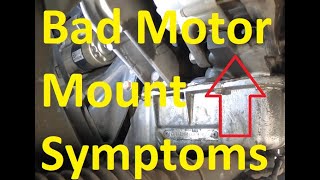
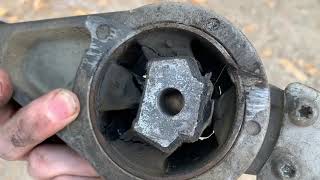
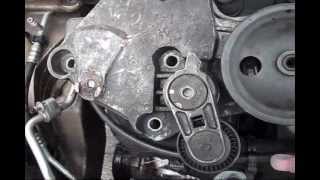
If your Neon is vibrating excessively at idle, or if you hear a loud "clunk" or "thud" when you accelerate or shift from drive to reverse, you likely have a bad engine mount. These parts are known to wear out on Neons, but they are a straightforward fix. A visual inspection can often confirm the problem; 🎬 Watch: How to identify symptoms of failed motor mounts look for cracked, torn, or separated rubber on the mounts. You can also have a helper put the car in gear with the brakes on and lightly press the gas while you watch the engine. If the engine lifts or moves more than an inch or two, the mounts are bad.
Choosing the Right Aftermarket Mount: Comfort vs. Performance
When shopping for new engine mounts for your Neon, you have two main choices: standard rubber replacements or performance polyurethane upgrades. Your choice depends on your driving style and tolerance for vibration.
Tier 1: Standard Replacement Mounts (Rubber)
Brands: Anchor, DEA, Westar, Pioneer Cable
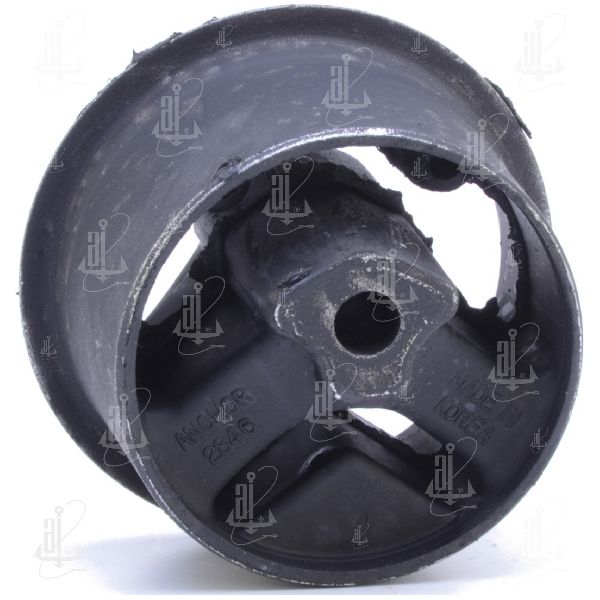
These brands offer direct, OEM-style replacements made from rubber. They are designed to restore the original ride quality and are the best choice for a daily driven vehicle where comfort is a priority. They absorb vibrations well, keeping the cabin quiet. However, some owners in forums report that budget-friendly aftermarket rubber mounts may not last as long as the original factory parts. Despite this, they are an affordable and effective solution for fixing a completely failed mount.
Tier 2: Performance Mounts (Polyurethane)
Brands: Energy Suspension, Prothane
These brands offer polyurethane inserts or complete mounts that are much stiffer than the factory rubber. The main benefit is a significant reduction in engine movement, which improves throttle response and reduces wheel hop, especially on modified or aggressively driven cars. The major downside is a noticeable increase in engine vibration felt inside the car, particularly at idle. If you want a sportier feel and don't mind a rougher ride, polyurethane is a great upgrade. Many owners use these to get a firmer feel and longer life than standard replacements.
A Note on "Solid" Mounts
You may also see "solid" engine mounts for sale, often made from billet aluminum. These are intended for dedicated race cars and will transmit extreme vibration and noise into the car. They are not recommended for a street-driven vehicle.
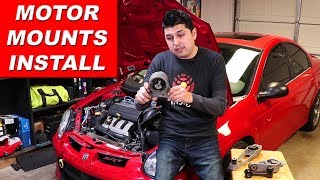
🎬 See how to install solid motor mounts on an SRT4Common Ordering Mistakes & Pro Tips
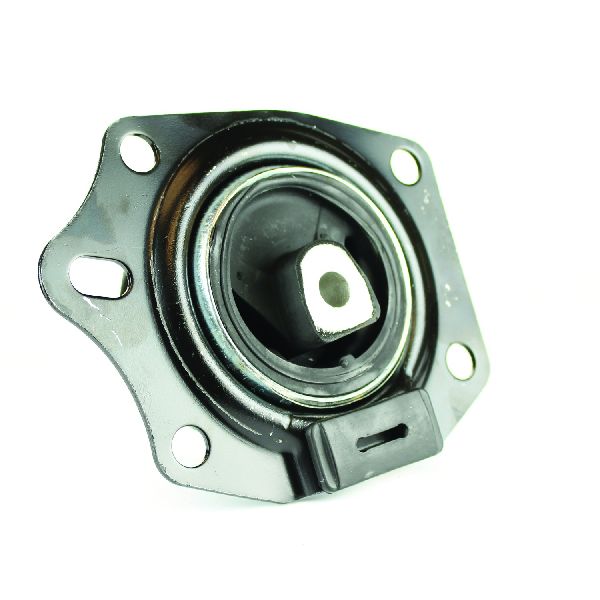
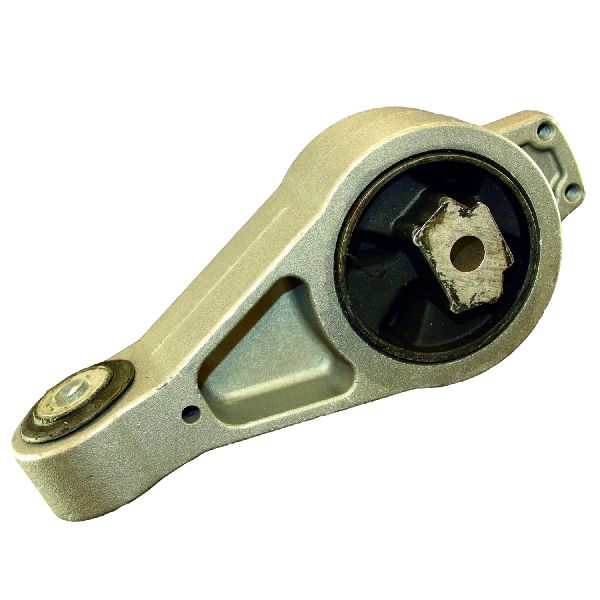
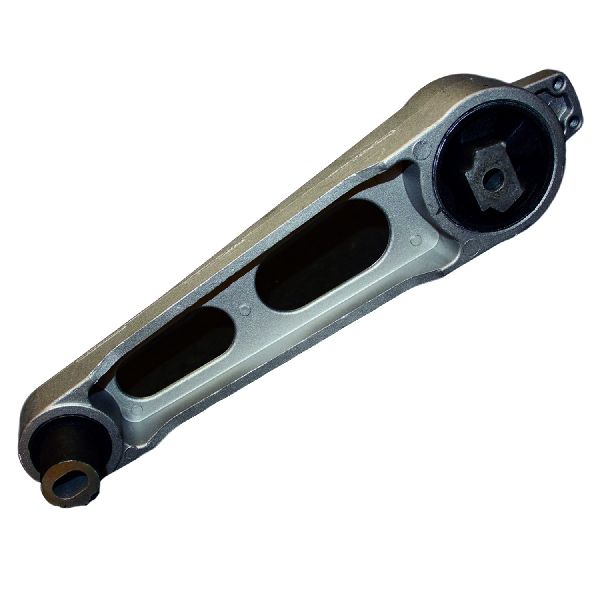
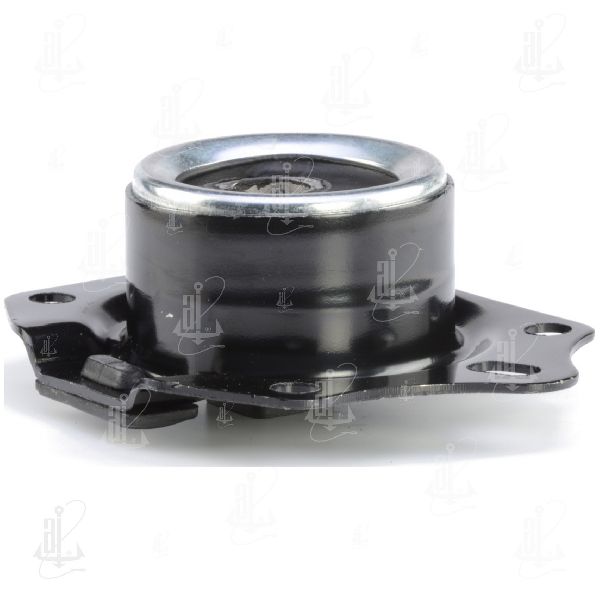
- How many mounts are there? The Dodge Neon has three or four main mounting points, depending on the exact year and model: a passenger side mount, a transmission mount (driver's side), and one or two lower torque struts (often called "dog bones").
- Check all mounts: When one mount fails, it puts extra stress on the others. It's common for them to fail around the same time. It's a good idea to inspect all of them and replace them as a set if they show signs of wear.
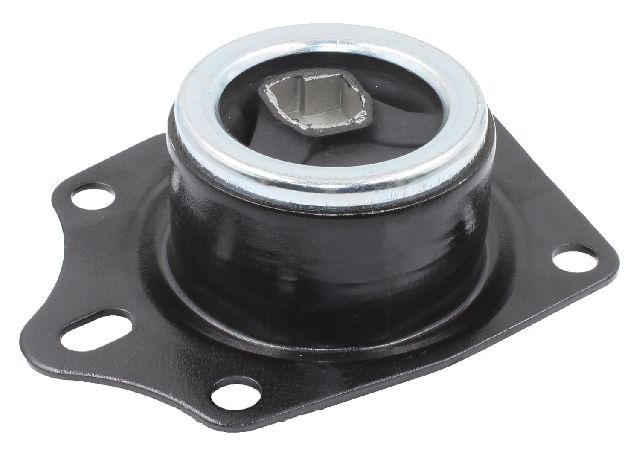
- Passenger Side Mount: The upper passenger side mount (near the timing belt cover) is a very common failure point. Replacing this mount alone can often solve major vibration issues.
| Part Type | Estimated Cost |
|---|---|
| New Aftermarket Mounts | $15 - $48 per mount |
| New OEM Mopar Mounts | $80 - $200+ per mount |
| Shop Labor | $329 - $483 |
Frequently Asked Questions
Can I replace just one bad engine mount?
Yes, you can replace only the failed mount. However, since the mounts are all the same age, the failure of one often means the others are weak and may fail soon. It's best practice to inspect all mounts and replace any that look worn.
Is it hard to replace Dodge Neon engine mounts myself?
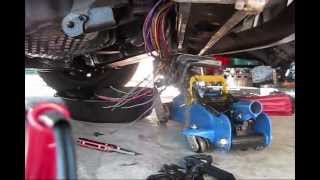
For a DIY mechanic, the upper and lower torque struts are relatively easy to replace, often taking less than an hour with basic hand tools. 🎬 Watch this walkthrough for replacing upper and lower torque struts The main passenger-side engine mount and the transmission mount are more difficult, as they require supporting the engine with a jack and may involve removing other components like the battery tray or air cleaner assembly.
What's the difference between a regular mount and a polyurethane insert?
A regular mount is a complete assembly of rubber and metal. A polyurethane insert is a stiffer bushing that you press into your existing (or a new) metal mount bracket. Inserts firm up the connection, reduce engine movement, but increase vibration.
Were there any recalls for Dodge Neon engine mounts?
No, there have been no specific recalls issued by the NHTSA for engine mount failure on the 1995-2005 Dodge Neon. However, engine problems are a common complaint category for this vehicle.
Helpful Videos
Technical Specifications
OEM Part Numbers: 4668182 4668626AC
Vehicle typically uses a combination of three to four mounts: one passenger side engine mount, one driver side transmission mount, and one or two lower torque struts.
We Have This Part in Stock

The information in this article is provided for general reference and educational purposes only. Vehicle specifications, procedures, and part compatibility can vary by production date, trim level, and region. Always consult your vehicle's factory service manual and verify part numbers before purchasing or performing repairs. Safety-critical components such as airbags, seat belts, and braking systems should be installed by a qualified professional.
- Dodge Neon:
- 🎬 Helpful Videos
- 🛍️ Shop This Part
- Is Your Dodge Neon Shaking or Making Clunking Noises?
- Choosing the Right Aftermarket Mount: Comfort vs. Performance
- Tier 1: Standard Replacement Mounts (Rubber)
- Tier 2: Performance Mounts (Polyurethane)
- A Note on "Solid" Mounts
- Common Ordering Mistakes & Pro Tips
- Frequently Asked Questions
- 🎟️ Get 5% Off