

A Dodge Neon Owner's Guide to Fuel Injector Replacement (1995-2005)
Is your Neon running rough, misfiring, or guzzling gas? Your fuel injectors might be the problem.
- A rough idle and a cylinder-specific misfire code (P0301-P0304) are the most common signs of a bad injector on a Neon.
- Replacement is DIY-friendly and can be done in about an hour with basic tools.
- Avoid remanufactured brands like GBR, as reports of out-of-the-box failures are common; new injectors from Standard or Walker are safer bets.
- Ensure you buy standard injectors, not high-performance SRT-4 parts, which require ECU tuning.
Signs of a Failing Fuel Injector in a Dodge Neon
When a fuel injector starts to fail on your 1995-2005 Neon, the signs are usually noticeable. The injector can get clogged with tiny particles from fuel, or it can fail electronically. It might get stuck open, dumping too much fuel, or stuck closed, starving a cylinder of fuel. Here are the most common symptoms you'll experience:
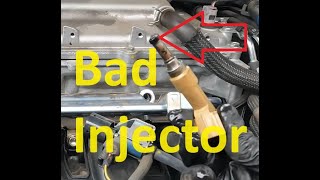
- Engine Misfires and Rough Idle: This is the most common sign. Your engine might feel shaky or sputter, especially when you're stopped at a light. A specific cylinder misfire code, like P0301 or P0304, often points to an injector issue. 🎬 Watch: How to test if your fuel injector has failed
- Check Engine Light: A failing injector will almost always trigger the check engine light.
- Poor Fuel Economy: If an injector is stuck open or leaking, you'll be using more gas than usual.
- Hesitation or Stumbling on Acceleration: When you press the gas, the car might hesitate or feel like it's losing power because a cylinder isn't firing correctly.
- Hard Starting: If injectors are leaking fuel into the engine when the car is off, it can make it difficult to start. You might also smell raw fuel.
No Recalls, But Known Issues
There are no official recalls from the National Highway Traffic Safety Administration (NHTSA) for fuel injectors on the 1995-2005 Dodge Neon. However, owner forums frequently discuss injector failures as a common problem that causes misfires, even after replacing spark plugs and ignition coils.
Choosing the Right Aftermarket Fuel Injector
You don't need to buy an expensive OEM (Original Equipment Manufacturer) part from the dealer. Aftermarket fuel injectors can offer the same performance for less money, but quality varies between brands.
Brand Quality Tiers for Your Neon
Tier 1: OE-Matching Quality
- Standard Ignition (SMP): Standard is a well-regarded brand that designs its injectors to match the original part's performance, including fuel flow and spray pattern. They are a reliable choice for a direct replacement that will restore original performance.
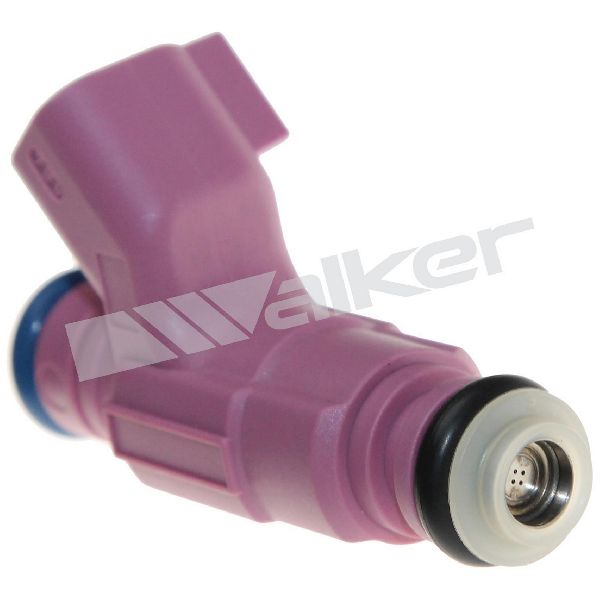
- Walker Products: Walker has been making fuel system parts for a long time and focuses on meeting or exceeding OE specifications. They are a solid option for a quality replacement part.
Pro Tip: When one injector fails, the others may not be far behind. If your budget allows, consider replacing all four injectors at the same time to save yourself future labor and ensure balanced engine performance.
Tier 2: Budget-Friendly Options
- Replacement: This is a value-oriented brand. It can get the job done on a tight budget, but may not have the same long-term durability or strict quality control as higher-tier brands.
Tier 3: Use with Caution
- GBR Fuel Injection (GB Remanufacturing): This brand sells remanufactured injectors. While the price is low, owner reviews and experiences are often negative. Many users report receiving injectors that are defective right out of the box, often stuck open, which can cause serious issues like fuel washing the cylinder walls. It is often worth spending a little more on a new part from a more reputable brand to avoid the risk of repeated repairs.
How Much Does It Cost to Replace a Dodge Neon Fuel Injector?
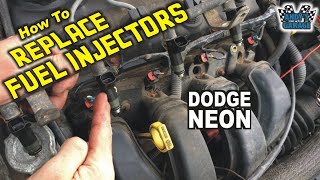
Replacing a fuel injector on a Neon is a straightforward job. A DIY-er can often do it in about an hour. 🎬 See this step-by-step Dodge Neon injector replacement walkthrough A professional mechanic will likely charge for 1 to 1.5 hours of labor.
| Part Type | Estimated Cost (Per Injector) |
|---|---|
| New Aftermarket | $32 - $220 |
| Shop Labor | $100 - $225 |
Frequently Asked Questions
Is it hard to replace the fuel injectors on a 1995-2005 Neon?
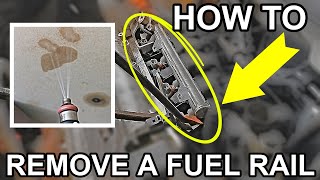
No, it's considered a relatively easy job for someone with basic mechanical skills. The process involves relieving fuel pressure, disconnecting the fuel rail (which is held on by two bolts 🎬 Pro Tip: How to easily remove stuck injectors and rails), and swapping the injectors. You will need basic hand tools. Remember to disconnect the battery first.
Should I replace one or all four injectors?
If one injector has failed due to age and mileage, the others are likely in similar condition. To ensure all cylinders are getting the same amount of fuel and to avoid another repair down the road, it is recommended to replace all four at once.
What are common mistakes when ordering?
The biggest mistake is ordering high-performance injectors meant for the Neon SRT-4. These injectors flow more fuel and will cause major problems on a standard Neon engine without a special computer tune. Stick to injectors listed as a direct replacement for your non-turbo engine.
Do I need new O-rings?
Yes. New injectors should come with new O-rings. Never reuse old O-rings, as they can crack and cause fuel leaks. Lightly lubricate the new O-rings with clean engine oil before installation to ensure they seal properly and don't tear.
My 2005 Neon doesn't have a valve on the fuel rail. How do I relieve the pressure?
Some later models (around 2004-2005) lack the Schrader valve for easy pressure relief. You can relieve pressure by pulling the fuel pump relay from the fuse box and then cranking the engine for a few seconds. It will run for a moment and then stall, using up the pressure in the line.
Helpful Videos
Technical Specifications
OEM Part Numbers: 4669668 5277895
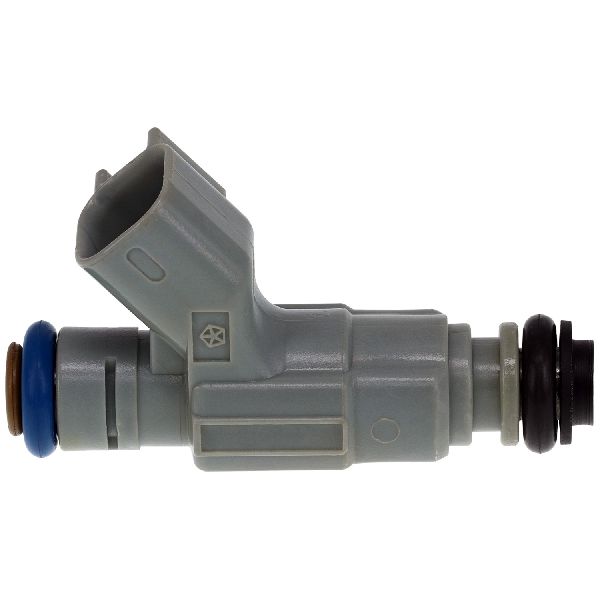
Top-feed, high-impedance electronic fuel injector. Fits 2.0L SOHC and DOHC engines (non-turbo).
We Have This Part in Stock


The information in this article is provided for general reference and educational purposes only. Vehicle specifications, procedures, and part compatibility can vary by production date, trim level, and region. Always consult your vehicle's factory service manual and verify part numbers before purchasing or performing repairs. Safety-critical components such as airbags, seat belts, and braking systems should be installed by a qualified professional.
- Dodge Neon: