

Dodge Neon Throttle Position Sensor Guide (1995-2005)
Solve your Neon's stalling, poor idle, and hesitation issues by understanding its throttle position sensor.
- A bad TPS can cause automatic transmission shifting problems, not just engine issues.
- Replacement is very easy and requires only a T20 Torx bit, making it a great DIY repair.
- For sensor reliability, it's worth spending a little more on a top-tier aftermarket brand like Standard (SMP) or NTK over the cheapest options.
- Always check the wiring and connector for damage before replacing the sensor, as this can cause identical symptoms.
Is Your Neon's Throttle Position Sensor Failing?
When a throttle position sensor (TPS) starts to go bad, it sends incorrect information to your Neon's computer. This can cause a wide range of problems that often seem more serious than they are. Because the TPS is involved in so many engine and transmission functions, the symptoms can be confusing. You might notice your car running poorly, stalling, or even having trouble with the automatic transmission shifting gears. Recognizing these signs is the first step to getting your Neon running smoothly again.
Symptoms of a Bad Dodge Neon TPS
A failing TPS will make its presence known. Here are the most common signs Neon owners experience:
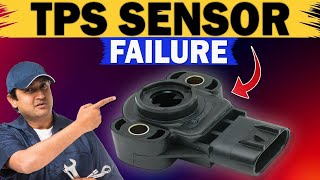
🎬 Watch: 9 common symptoms of a bad TPS and how to fix them.- Check Engine Light: This is often the first warning. The ECU will store trouble codes like P0121, P0122, or P0123.
- Stalling and Rough Idle: Your Neon might stall when you come to a stop or idle very high (around 1500-1700 RPM).
- Hesitation and Power Loss: When you press the gas, the car might hesitate or feel like it has no power.
- Sudden Surges: The car might speed up on its own without you pressing the pedal further.
- Automatic Transmission Problems: If you have an automatic, a bad TPS can cause hard, late, or erratic gear shifts.
Pro Tip: Check the Wires First
Before you replace the sensor, take a close look at the wiring connector and harness. On some Neons, especially the 2003-2005 SRT-4 models, the wiring is known to become brittle and fail from engine heat and vibration, causing the exact same symptoms as a bad sensor. Wiggling the connector while the engine is idling may cause a change in RPM, indicating a wiring issue.
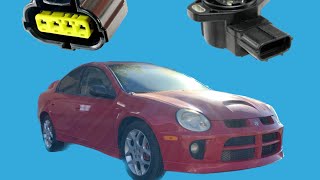
🎬 See how to diagnose and fix TPS codes on SRT-4 models.Choosing the Right Aftermarket TPS: Brand Quality Matters
When it comes to electronic sensors, not all aftermarket parts are created equal. For a critical sensor like the TPS, choosing a reliable brand can save you from doing the job twice.
- Top-Tier Aftermarket (Recommended): Brands like Standard Motor Products (SMP), NTK, and Walker Products have a strong reputation for quality and reliability. They are often manufactured to meet or exceed original factory specifications and are a solid choice for a long-lasting repair.
- OEM-Equivalent: Brands like Delphi are major manufacturers of original parts for many car companies. Choosing them is often as good as getting a part from the dealer.
- Budget-Friendly Options: Brands like Dorman, Crown, or other store brands offer a lower price point. However, owner experiences are mixed. Some have reported these sensors failing in a matter of months, leading to the same problems all over again. While the low price is tempting, it can be a gamble.
- The Mopar Option: If you want the guaranteed fit and function, the original Mopar part is the benchmark for quality. However, it is also the most expensive option. Many Neon owners find that a top-tier aftermarket brand provides similar reliability for less money.
Typical Costs for a Dodge Neon TPS Replacement
Replacing the TPS is one of the more affordable repairs for your Neon. The part itself is not expensive, and the labor is very simple.
| Part/Service | Estimated Cost |
|---|---|
| New Aftermarket Part | $27 - $98 |
| New OEM (Mopar) Part | $100 - $160+ |
| Shop Labor Cost | $60 - $100 |
| Total Professional Replacement | $120 - $260 |
DIY Installation is Easy
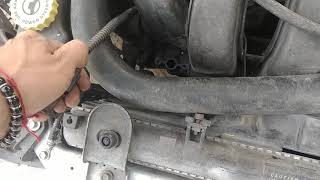
This is a great job for a beginner. The TPS is held on by two T20 Torx screws and is easily accessible on the throttle body. The entire job can be done in under 20 minutes with basic tools, saving you the labor cost.
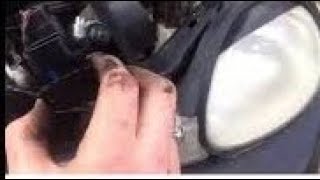
🎬 Follow this step-by-step walkthrough to replace your sensor in minutes.Frequently Asked Questions
Can I drive my Neon with a bad throttle position sensor?
You can, but it's not recommended. The engine may stall unexpectedly in traffic, hesitate when you need to accelerate, or have a dangerously high idle. It's best to get it repaired as soon as possible to avoid unsafe driving conditions.
Do I need to calibrate or reset the new TPS?
No special calibration is needed for a Dodge Neon. The sensor is plug-and-play. However, it's a good practice to disconnect the battery's negative terminal before you start the repair. This will reset the ECU, allowing it to learn the new sensor's exact voltage readings from a clean slate.
How can I test my old TPS to be sure it's bad?
You can test it with a digital multimeter. With the sensor plugged in and the key in the 'ON' position, you back-probe the signal wire. As you manually open the throttle plate, the voltage should sweep smoothly from about 0.5-1.0 volts to around 4.5 volts. If there are any jumps, drops, or dead spots in the voltage, the sensor is bad.
Is the sensor the same for all 1995-2005 Neons?
Many aftermarket brands list a single part number that covers the entire 1995-2005 range, for both SOHC and DOHC engines (excluding the SRT-4 in some cases). However, it is always critical to use your vehicle's specific year and engine type to confirm fitment before ordering to avoid any issues.
Helpful Videos
Technical Specifications
OEM Part Numbers: 4874430AB 4874430 4762716 5269858 4874431
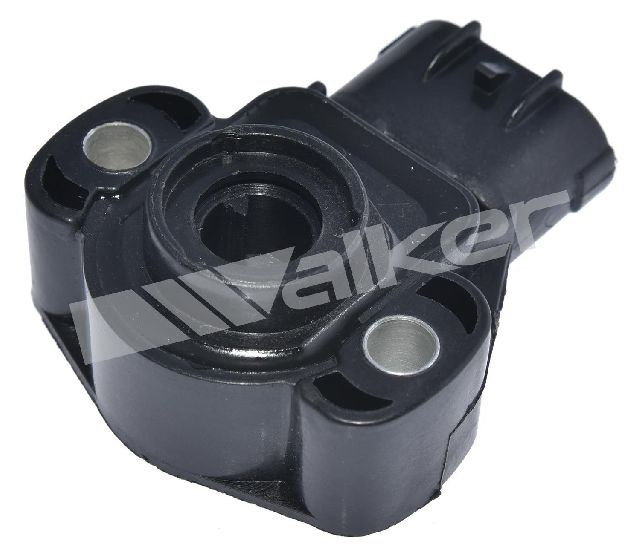
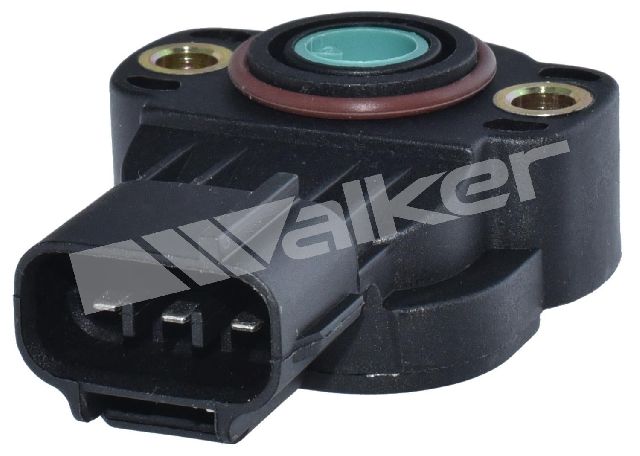
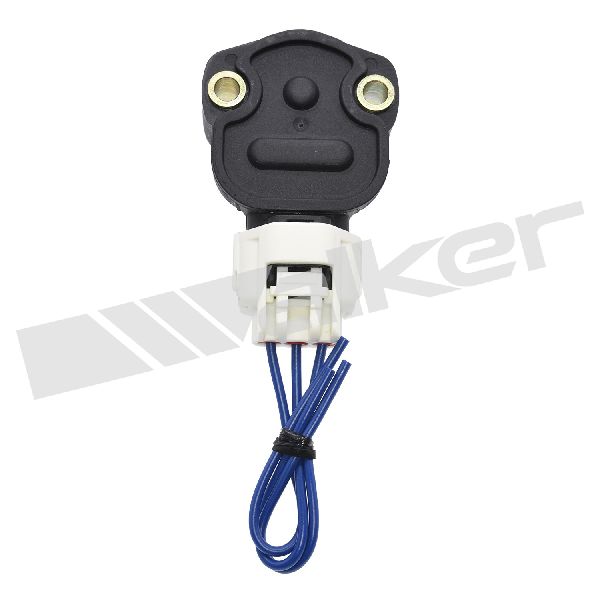
Location: Throttle Body. Connector: 3-Pin Rectangular. Attachment: 2 Bolts.
We Have This Part in Stock


The information in this article is provided for general reference and educational purposes only. Vehicle specifications, procedures, and part compatibility can vary by production date, trim level, and region. Always consult your vehicle's factory service manual and verify part numbers before purchasing or performing repairs. Safety-critical components such as airbags, seat belts, and braking systems should be installed by a qualified professional.
- Dodge Neon:
- 🎬 Helpful Videos
- 🛍️ Shop This Part
- Is Your Neon's Throttle Position Sensor Failing?
- Symptoms of a Bad Dodge Neon TPS
- Pro Tip: Check the Wires First
- Choosing the Right Aftermarket TPS: Brand Quality Matters
- Typical Costs for a Dodge Neon TPS Replacement
- DIY Installation is Easy
- Frequently Asked Questions
- 🎟️ Get 5% Off