

Ford Explorer Engine Camshaft Position Sensor & Synchronizer Guide (1995-2005)
Don't get stranded—understand the common failure points of the camshaft sensor and synchronizer in your 1995-2005 Explorer.
- First, identify your engine: 4.0L SOHC is a simple sensor swap, while the 4.0L OHV and 5.0L V8 involve a more complex synchronizer assembly.
- Listen for a "chirping" noise on OHV and V8 models; this indicates the synchronizer is failing and must be replaced to avoid potential engine damage.
- For OHV/V8 engines, always replace the entire synchronizer assembly, not just the sensor on top, to ensure a lasting repair.
- Replacing the synchronizer requires engine timing knowledge and a special alignment tool; a professional mechanic is recommended for inexperienced DIYers.
Is It Just the Sensor or the Synchronizer?
Before buying a new camshaft position sensor for your 1995-2005 Ford Explorer, you must first identify your engine. The repair can be either very simple or quite complex depending on the motor in your truck.
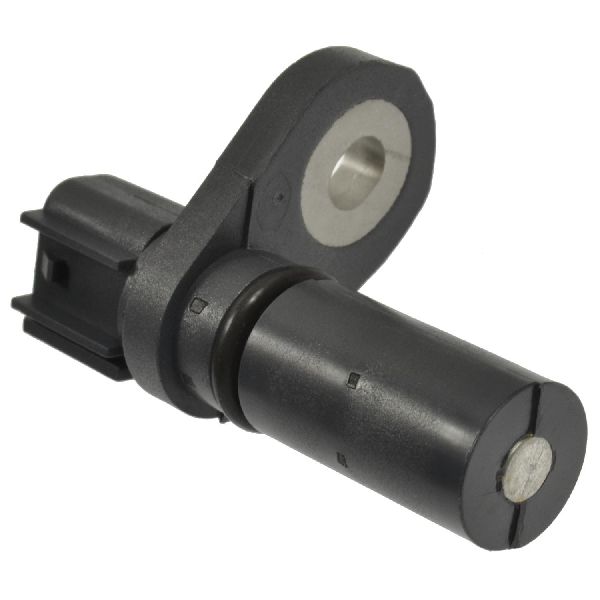
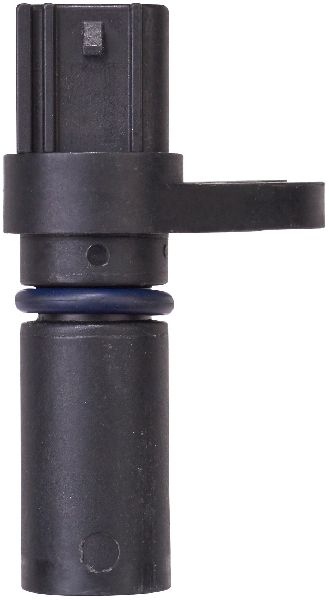
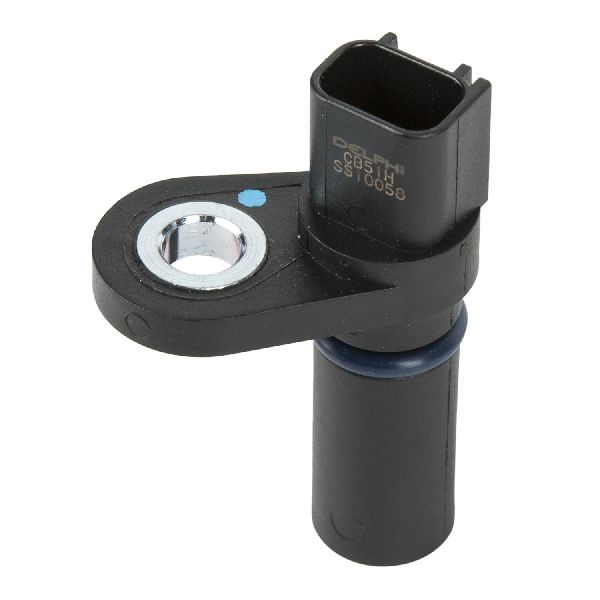
- 4.0L SOHC (Single Overhead Cam) V6: Typically found in 2001-2005 models. This engine has a simple camshaft position sensor that is mounted directly on the driver's side valve cover. It is held in by a single bolt and is easy to replace.
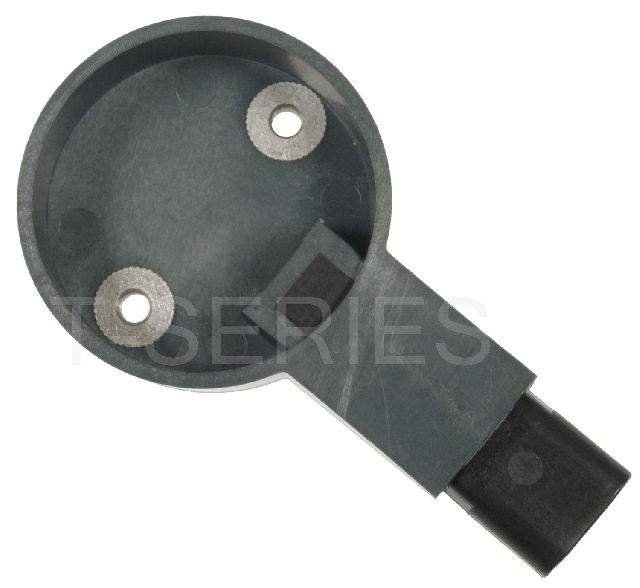
- 4.0L OHV (Overhead Valve) V6 & 5.0L V8: Typically found in 1995-2001 models. These engines use a camshaft synchronizer. This is a larger assembly that looks like a distributor without a cap, which is installed into the engine block. The actual camshaft position sensor is a smaller piece that mounts on top of this synchronizer.
Warning for 4.0L OHV & 5.0L V8 Owners
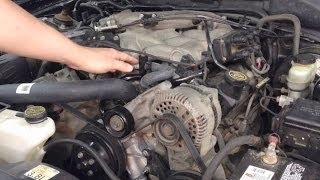
The camshaft synchronizer is the most common failure point, not the sensor itself. The internal bushings wear out, causing a distinct "chirping" or "squeaking" noise from the back of the engine, especially when cold. 🎬 Watch: Hear what a failing synchronizer chirp sounds like. If ignored, the synchronizer can seize, shear its gear, and stop turning the oil pump, which can lead to catastrophic engine failure. If you hear this chirp, replacing the entire synchronizer assembly is critical, not just the sensor on top.
Choosing the Right Aftermarket Sensor
When your sensor fails, you have options ranging from budget-friendly to OEM quality. Since the labor to replace the synchronizer on OHV and V8 engines is significant, using a high-quality part is strongly recommended to avoid doing the job twice.
- Tier 1: OEM & Premium Aftermarket (Motorcraft, Delphi, Denso, NGK/NTK)
Motorcraft is the original Ford part and is the benchmark for quality and fitment. Brands like Delphi, Denso, and NGK are often original equipment suppliers to many automakers and offer comparable quality and reliability. For a critical part like the synchronizer, choosing from this tier is a wise investment. - Tier 2: Quality Standard Aftermarket (Standard Ignition, Dorman, Holstein, Walker)
These brands are well-known in the aftermarket and provide a good balance of price and quality. They are a solid choice for the simpler sensor-only replacement on the 4.0L SOHC engine or for owners on a tighter budget. However, be aware that quality can sometimes be inconsistent compared to the premium tier. - Tier 3: Economy Brands (URO Parts, Facet, Store Brands)
These parts offer the lowest price point. While tempting, they are best suited for temporary fixes or non-critical applications. Given the potential for engine damage if a synchronizer fails, using an economy brand for that specific component is not recommended.
Estimated Costs for Camshaft Position Sensor Replacement
| Part/Service | 4.0L SOHC (Sensor Only) | 4.0L OHV / 5.0L V8 (Synchronizer Assembly) |
|---|---|---|
| New Aftermarket Part | $14 - $80 | $45 - $150+ (for the full assembly) |
| Shop Labor | $50 - $100 | $150 - $400+ (due to alignment needs) |
| Total Estimated Cost | $64 - $180 | $195 - $550+ |
Pro Tip: On the 4.0L SOHC engine, the replacement is very straightforward. The sensor is on the driver's side valve cover, held by a 7mm bolt. You can likely do this yourself in under 30 minutes. For the OHV and V8 engines, replacing the synchronizer requires setting the engine to Top Dead Center (TDC) and using an alignment tool to ensure proper timing. While possible for an experienced DIYer, many owners opt for a professional mechanic for this job.
Frequently Asked Questions
What are the most common symptoms of a bad camshaft sensor?
The most common signs are a Check Engine Light (often with code P0340), difficulty starting the engine, the engine stalling unexpectedly, rough idling, poor acceleration, and decreased fuel mileage.
My Explorer is making a chirping noise. Is that related?
Yes, a high-pitched chirp or squeak from the engine bay, especially on a 4.0L OHV or 5.0L V8, is a classic symptom of a failing camshaft synchronizer. This is a serious warning sign that should be addressed immediately to prevent major engine damage.
Can I just replace the sensor on top of the old synchronizer?
While you can, it is generally not recommended if the synchronizer is old or making noise. The chirping sound indicates the synchronizer itself is failing, and a new sensor will not fix the underlying mechanical problem that could lead to oil pump failure.
Do I need a special tool to replace the sensor?
For the 4.0L SOHC engine, you only need basic hand tools like a 7mm wrench or socket. For the 4.0L OHV and 5.0L V8, if you are replacing the entire synchronizer assembly, a special alignment tool is required to properly set the timing.
Were there any recalls for the camshaft position sensor on these Explorers?
No specific recalls were found for the camshaft position sensor or synchronizer on the 1995-2005 Ford Explorer. However, the synchronizer failure on 4.0L engines is a widely documented issue in owner forums and is the subject of multiple Technical Service Bulletins (TSBs) for related Ford vehicles.
Helpful Videos
Technical Specifications
OEM Part Numbers: F7TZ12K073B DU-88 1F3Z-6B288-AA
Varies by engine (4.0L SOHC, 4.0L OHV, 5.0L V8). The OHV and V8 engines use a sensor in conjunction with a camshaft synchronizer assembly. The SOHC engine uses a standalone sensor. Always verify the correct part for your specific engine and model year.
We Have This Part in Stock


The information in this article is provided for general reference and educational purposes only. Vehicle specifications, procedures, and part compatibility can vary by production date, trim level, and region. Always consult your vehicle's factory service manual and verify part numbers before purchasing or performing repairs. Safety-critical components such as airbags, seat belts, and braking systems should be installed by a qualified professional.
- Ford Explorer: