

A Ford Mustang Owner's Guide to the 1995-2005 Throttle Position Sensor
Solve common idle, hesitation, and stalling problems on your SN95 or New Edge Mustang by understanding this key sensor.
- A high 'hanging' idle that is fixed by restarting the car is a tell-tale sign of a failing TPS on this Mustang.
- For reliability, spending a little extra on a Motorcraft or Delphi sensor is highly recommended over economy brands.
- This is a very easy and affordable DIY repair that most owners can complete in under 30 minutes with basic tools.
- A bad TPS can cause a wide range of issues from poor idle to dangerous hesitation and power loss on the road.
Is Your Mustang Suddenly Idling High or Stalling?
If your 1995-2005 Mustang is experiencing strange engine behavior, a faulty Throttle Position Sensor (TPS) is a likely culprit. This sensor is a known failure point on these cars as they age. The internal electronic contacts wear out, creating 'dead spots' in the signal it sends to the computer. This can lead to a variety of frustrating and sometimes dangerous driving issues. This guide will help you understand the symptoms, choose the right replacement part, and get your Mustang running smoothly again.
Symptoms of a Failing TPS on a 1995-2005 Mustang
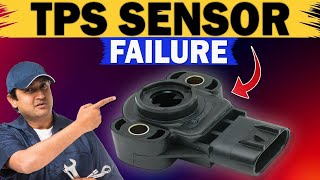
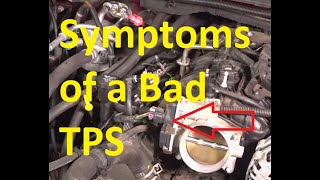
A bad TPS can make your car unpredictable. One of the most 🎬 Watch: 9 common symptoms of a bad TPS and how to fix them. common signs specific to these Mustangs is a high or 'hanging' idle that only resolves after you shut the car off and restart it. Other symptoms include:
- Poor Idle Quality: The engine may idle roughly, surge up and down, or stall completely.
- Hesitation or Stumbling: When you press the gas, the car might hesitate or stumble before accelerating.
- Sudden Loss of Power: You might experience a sudden loss of power while driving, especially when going to wide-open throttle.
- Bucking and Surging: The car may jerk or surge unexpectedly while driving at a steady speed.
- Automatic Transmission Problems: If you have an automatic, a bad TPS can cause harsh, delayed, or erratic shifting.
- Check Engine Light: A failing TPS will often trigger the Check Engine Light with codes like P0121, P0122, or P0123.
Choosing the Right Aftermarket TPS: Brand Tiers
When it comes to electronic sensors for your Mustang, quality matters. While saving money is tempting, a cheap, low-quality TPS can fail quickly or not work correctly out of the box, causing the same problems you were trying to fix. Based on owner experiences and brand reputation, here’s how the available options stack up.
Brand Quality Comparison
| Tier | Brands | Description |
|---|---|---|
| OEM / Premium Aftermarket | Motorcraft, Delphi | Motorcraft is Ford's original part and the benchmark for quality and reliability; it is highly recommended by Mustang specialists. Delphi is a major OEM supplier known for high-quality electronics and is considered a top-tier alternative. |
| Performance & Quality Aftermarket | BBK Performance, NGK, Standard Ignition (SMP) | BBK Performance sensors are designed to pair with their popular aftermarket throttle bodies and are a solid choice, especially for modified cars. NGK and Standard Motor Products are established brands that generally offer reliable parts, though some mechanics report sensor quality can be hit-or-miss compared to OEM. |
| Economy / Store Brand | Dorman, Holstein, Walker, URO Parts, Replacement, etc. | These brands offer the lowest price point. While some parts may work fine, they are generally considered a gamble for electronic sensors. They may have a shorter lifespan or inconsistent quality. Use these if budget is the absolute primary concern, but be aware you may be replacing it again sooner. |
How Much Does a Mustang TPS Replacement Cost?
Replacing the TPS is one of the more affordable repairs you can make. Since it's an easy DIY job for most owners, you can save significantly on labor costs.
Estimated Cost Breakdown
| Item | Estimated Cost |
|---|---|
| New OEM (Motorcraft) Part | $50 - $130 |
| New Aftermarket Part | $34 - $112 |
| Shop Labor Cost | $45 - $65 |
| Total (Professional Installation) | $100 - $215 |
Pro Tip: An Easy DIY Job
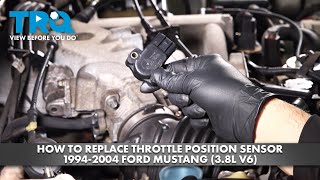
Replacing the TPS is a great beginner-level task. It's located on the side of the throttle body and held on by two small screws. The entire job can usually be done in under 30 minutes with basic hand tools 🎬 Watch this step-by-step replacement walkthrough for 1994-2004 Mustangs. like a Phillips screwdriver or an 8mm socket. For 1996-2004 models, no special adjustment is typically needed—just bolt the new one on and plug it in.
Frequently Asked Questions
Were there any recalls for the Mustang TPS?
No, there have been no specific recalls issued by Ford or the NHTSA for the throttle position sensor on 1995-2005 Ford Mustangs. The issues are generally related to age and wear rather than a manufacturing defect.
Do I need to adjust the new TPS?
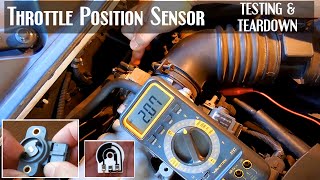
For 1996-2004 Mustangs, the TPS is generally considered a direct-fit part that does not require manual voltage adjustment. Earlier models sometimes required setting the idle voltage with a multimeter, 🎬 See how to test your sensor with or without a wiring diagram. but for the 'New Edge' and later SN95 cars, it's a simple bolt-on replacement.
Can I just clean my old TPS?
While some people try spraying electronic cleaner into the sensor, it is rarely a permanent fix. The failure is usually caused by physical wear on the internal contacts. Given the low cost of a new, reliable sensor, replacement is the recommended and most effective solution.
What tools do I need to replace the TPS?
You typically only need a Phillips head screwdriver or an 8mm socket and ratchet. A stubby screwdriver can be helpful as the sensor is in a tight spot. The electrical connector has a simple pinch-tab to release it.
Helpful Videos


Technical Specifications
OEM Part Numbers: F4SZ-9B989-AA F1SZ-9B989-A F8OZ-9B989-AA F1SF-9B989-AB
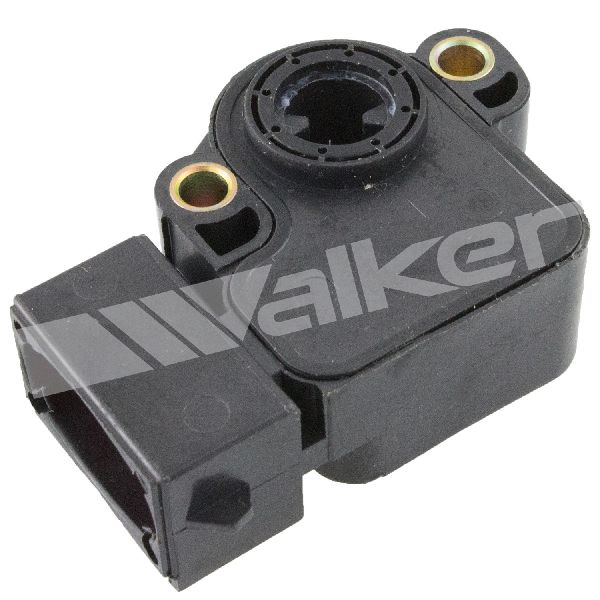
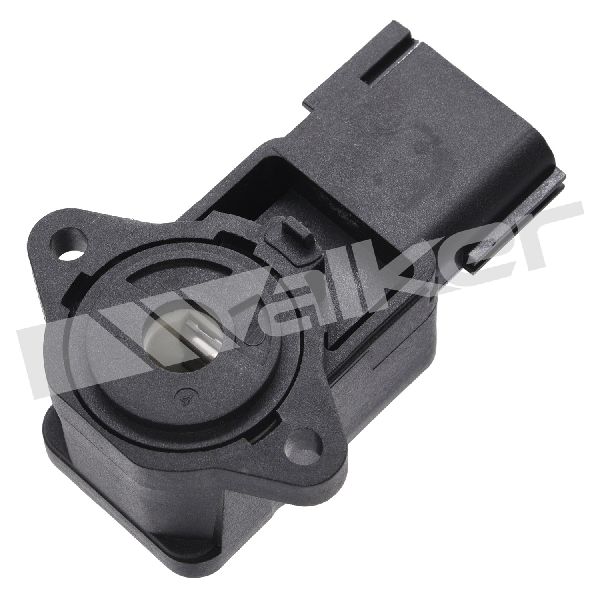
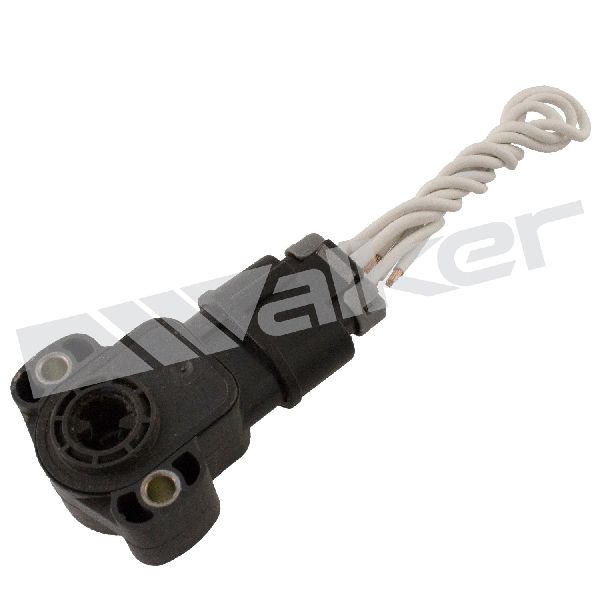
3-pin electrical connector. Mounts to the side of the throttle body with two screws. Operates on a 5-volt reference signal. Spring-loaded rotational sensor.
We Have This Part in Stock


The information in this article is provided for general reference and educational purposes only. Vehicle specifications, procedures, and part compatibility can vary by production date, trim level, and region. Always consult your vehicle's factory service manual and verify part numbers before purchasing or performing repairs. Safety-critical components such as airbags, seat belts, and braking systems should be installed by a qualified professional.
- Ford Mustang:
- 🎬 Helpful Videos
- 🛍️ Shop This Part
- Is Your Mustang Suddenly Idling High or Stalling?
- Symptoms of a Failing TPS on a 1995-2005 Mustang
- Choosing the Right Aftermarket TPS: Brand Tiers
- Brand Quality Comparison
- How Much Does a Mustang TPS Replacement Cost?
- Estimated Cost Breakdown
- Pro Tip: An Easy DIY Job
- Frequently Asked Questions
- 🎟️ Get 5% Off