

GMC Safari Engine Coolant Temperature Sensor Guide (1995-2005)
An essential guide to diagnosing and replacing the engine coolant temperature sensor in your GMC Safari van.
- A bad ECT sensor can cause poor fuel economy, a rough idle, and overheating.
- For this part, premium aftermarket brands like Delphi and NGK offer OEM-level quality.
- Replacement is an easy DIY job, with the main step being removal of the interior engine cover.
- Check if your van has one or two coolant sensors before buying a replacement to avoid errors.
Symptoms of a Failing ECT Sensor
A bad coolant temperature sensor can cause problems that seem much more serious. Before you suspect a major engine issue, check for these common signs of a faulty ECT sensor.
- Poor Fuel Economy: If the sensor wrongly tells the computer the engine is cold, the computer will inject extra fuel, hurting your gas mileage.
- Black Smoke from Exhaust: A very rich fuel mixture, caused by a bad sensor, can result in unburnt fuel burning in the exhaust, creating black smoke.
- Engine Overheating: A faulty sensor might not trigger the cooling fans when needed, causing the engine to overheat. Conversely, it can also send a false overheating signal when the engine is fine.
- Rough Idle and Stalling: The wrong fuel and timing adjustments can make your engine run poorly, especially when idling.
- Check Engine Light: A failing ECT sensor will almost always trigger the Check Engine Light. Common codes include P0117, P0118, P0125, and P0128.
- Hard Starting: When the engine is warm, a bad sensor might still be telling the computer it's cold, leading to an incorrect fuel mixture for starting.
Choosing the Right Aftermarket Sensor
While a dealership part (ACDelco) is an option, the aftermarket offers quality choices that can save you money. For a critical sensor like the ECT, it's wise to balance cost and quality.
Brand Quality Tiers
| Tier | Brands | Notes |
|---|---|---|
| OEM / Premium Aftermarket | ACDelco, Delphi, NGK | ACDelco is the original GM brand. Delphi has a strong reputation as an original equipment supplier, making their parts a reliable choice. NGK is a world-renowned sensor manufacturer. You can trust these brands for fit and accurate performance. |
| Quality Aftermarket | Standard Ignition (SMP), Beck Arnley, Hella, Walker Products, Holstein | These brands are well-regarded in the aftermarket. Standard Ignition often provides a complete kit with a new connector, which is a great value if your old one is brittle or corroded. These are solid choices for a reliable repair. |
| Standard / Budget | Four Seasons, Global Parts, True Tech, Motorad | These brands offer a cost-effective solution. While they meet basic requirements, some forum users have reported less consistent accuracy or longevity with budget-tier electronic sensors. They can be a good option if budget is the primary concern. |
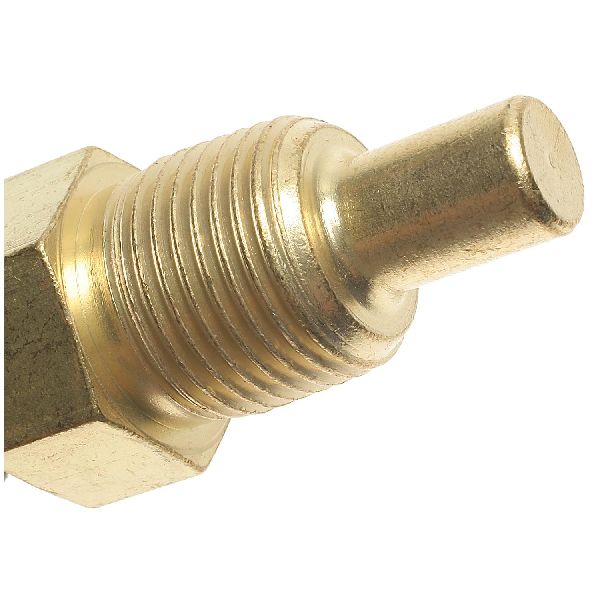
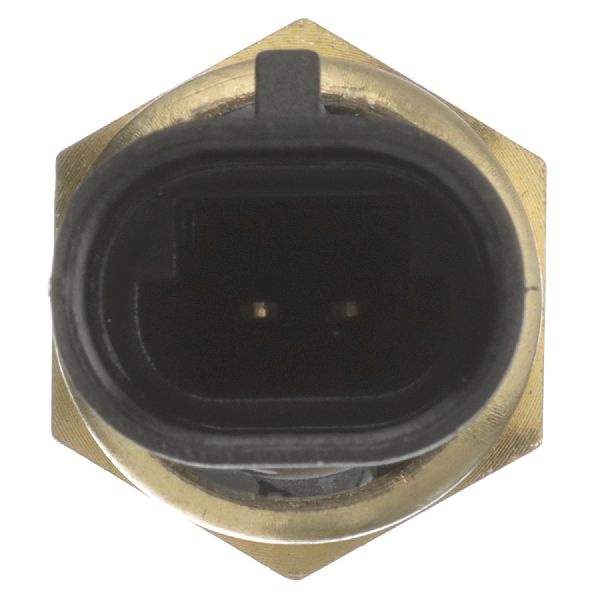
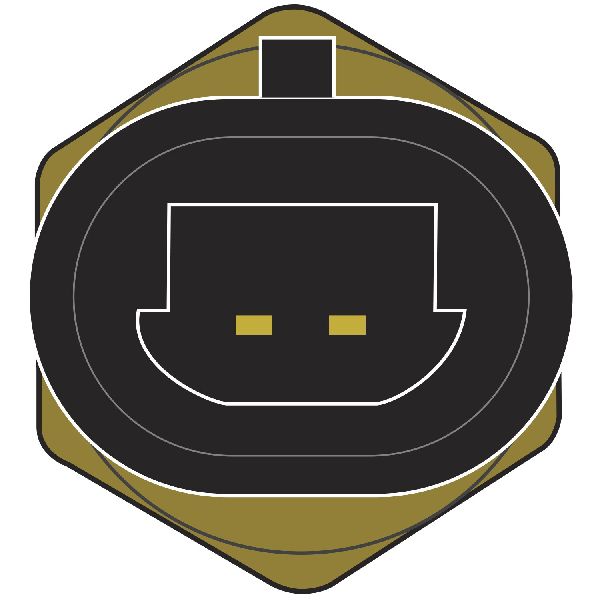
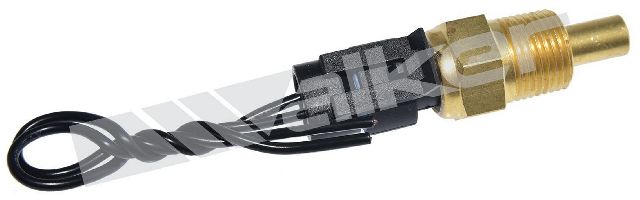
Pro Tip: Some earlier 1995-1996 GMC Safari vans may have two separate coolant temperature sensors. One sends information to the engine computer (usually a two-wire sensor), and the other operates the dashboard gauge (often a one-wire sensor). Be sure to identify which sensor has failed before ordering a replacement.
DIY Replacement Overview
Replacing the ECT sensor on a GMC Safari is a straightforward job for a DIYer. Access is the main challenge.
- Access the Engine: You will need to remove the interior engine cover, often called the "doghouse," to get to the top of the engine.
- Locate the Sensor: The ECT sensor is typically located on the front of the engine, threaded into the intake manifold near the thermostat housing.
- Swap the Sensor: Let the engine cool completely. Have the new sensor ready to go. Unplug the electrical connector, then use a deep socket wrench to unscrew the old sensor. A small amount of coolant will leak out. Quickly install the new sensor and tighten it snugly. Do not overtighten.
- Finish Up: Reconnect the electrical connector. Top off any lost coolant. Reinstall the engine cover.
Frequently Asked Questions
Where is the ECT sensor on a 1995-2005 GMC Safari?
It is usually threaded into the intake manifold, near the thermostat housing at the front of the 4.3L V6 engine. You will need to remove the engine doghouse inside the van to see and reach it.
How many coolant temperature sensors does a GMC Safari have?
Later models (around 1997-2005) typically have one two-wire sensor that provides information to both the computer and the gauge. However, some earlier models in this range may have two separate sensors: one for the computer and one for the gauge. It is important to verify your specific vehicle's setup.
Can a bad ECT sensor be confused with a bad thermostat?
Yes. Both can cause overheating or incorrect temperature gauge readings. A common sign of a stuck-open thermostat is an engine that never reaches full operating temperature. A bad sensor can also cause this reading, but a thermostat is a mechanical part, while the sensor is electrical. If you have sensor-specific fault codes (like P0117/P0118), the sensor is the likely culprit.
What happens if I don't replace a failing ECT sensor?
Ignoring a bad ECT sensor can lead to persistently poor fuel economy, engine carbon buildup from running rich, and potential engine damage from overheating if the cooling fans don't operate correctly. It's an inexpensive part that prevents much costlier repairs.
Technical Specifications
OEM Part Numbers: 12146312 15326386 25036979 213-77 213-928
The sensor for the ECM is a two-wire thermistor that changes resistance based on temperature. The separate sensor for the gauge, if equipped, is typically a one-wire sender.
We Have This Part in Stock


The information in this article is provided for general reference and educational purposes only. Vehicle specifications, procedures, and part compatibility can vary by production date, trim level, and region. Always consult your vehicle's factory service manual and verify part numbers before purchasing or performing repairs. Safety-critical components such as airbags, seat belts, and braking systems should be installed by a qualified professional.
- GMC Safari: