

Choosing Front Disc Brake Pads for Your 1995-2005 Hyundai Accent
Eliminate brake noise and restore your Accent's stopping power by selecting the right aftermarket pads for your needs.
- For most 1995-2005 Accent owners, a premium ceramic aftermarket pad from a brand like Bosch, Wagner, or Centric provides the best balance of quiet performance, low dust, and value.
- When replacing pads, always inspect the brake rotors for damage and wear. It is often cost-effective to replace the rotors at the same time.
- A common, non-pad-related issue on these cars is seized caliper slide pins, which cause uneven wear. Ensure these are cleaned and lubricated during the brake job.
- Do not ignore a grinding noise. It indicates a critical failure of the pads and will damage other, more expensive brake components.
Is It Time for New Brake Pads?
Your Accent will give you clear signs when the brake pads are getting low. Ignoring them can lead to more expensive repairs. Listen and feel for these common symptoms:
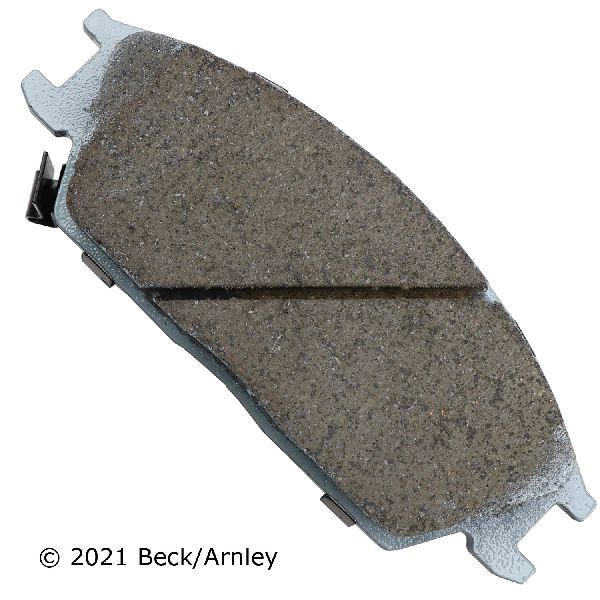
- Squealing or Screeching: Most brake pads have a small metal tab called a wear indicator. When the pad material wears down, this tab scrapes against the rotor, making a high-pitched squeal when you brake. This is the earliest warning to get your pads checked.
- Grinding Noises: A loud, harsh grinding sound means the brake pad material is completely gone. You are hearing metal-on-metal contact between the pad's backing plate and the rotor. This is a critical safety issue that damages your rotors and significantly reduces stopping power.
- Longer Stopping Distances: If you feel like you have to press the brake pedal harder or the car takes longer to stop than it used to, your pads are likely worn out and can't create enough friction.
- Vibration or Pulsing: If you feel a pulsing in the brake pedal or a vibration in the steering wheel when braking, it often means your brake rotors have been warped or worn unevenly, which can happen when you wait too long to replace pads.
Metal-on-Metal Grinding is Serious
If you hear a grinding noise, stop driving as soon as it is safe. Continuing to drive can cause your brakes to fail and will require you to replace the brake rotors along with the pads, increasing the repair cost.
Choosing the Right Aftermarket Brake Pads
For a vehicle like the 1995-2005 Accent, aftermarket brake pads often provide better value and performance than original equipment (OEM) parts. Aftermarket brands offer different materials and price points to match your driving style. The key is to choose a quality brand and avoid the cheapest "economy" options, which can wear out quickly and create more noise and dust.
Brake Pad Tiers for Your Accent
We can group the available brands into three main categories:
- Daily Driver (Good): These pads are a great choice for typical commuting and everyday use. They offer reliable stopping power and low noise at an affordable price. In this category, look for brands like Pronto, Dynamic Friction, and Total Stopping Solutions.
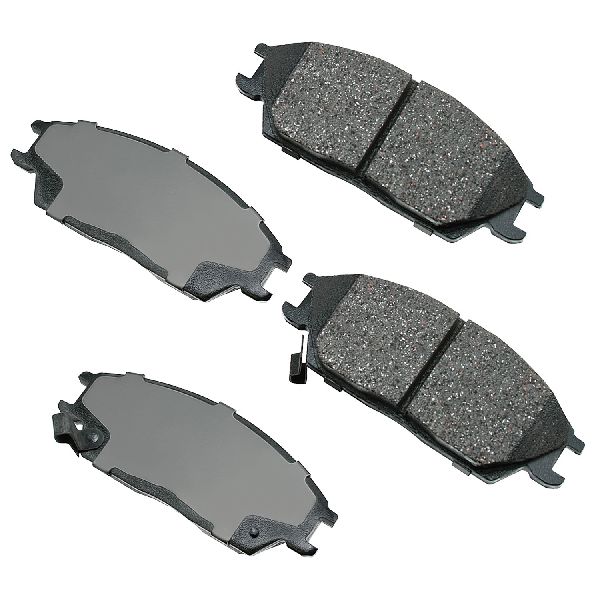
- Premium OE-Quality (Better): These pads are designed to meet or exceed the performance of the original factory pads. They often use ceramic materials for quieter operation, less brake dust, and a longer lifespan. Reputable brands in this tier include Bosch, Wagner Brakes, Raybestos, and Centric. Many owners find these offer the best combination of performance and value for their Accent.
- Performance (Best): For drivers who want enhanced stopping power, these pads are a great upgrade. They are more resistant to brake fade (losing power when hot) but may cost more and produce slightly more noise or dust. Top brands here are Brembo, EBC Brakes, and Powerstop.
Ceramic vs. Semi-Metallic
For most 1995-2005 Accent owners, ceramic pads are the best all-around choice. They are known for being quiet, producing less dust (which keeps your wheels cleaner), and having a long life. Semi-metallic pads can offer slightly better performance in extreme cold but tend to be noisier and create more dust.
Known Issues, Recalls, and Service Bulletins
Searches for the 1995-2005 Hyundai Accent did not reveal any recalls or widespread Technical Service Bulletins (TSBs) specifically for the disc brake pads themselves from the National Highway Traffic Safety Administration (NHTSA). However, some owners have reported issues with seized or sticky caliper slide pins. A seized pin prevents the brake caliper from moving freely, causing uneven pad wear and can make you think the pads are bad when the caliper is the real issue. During a brake job, it's crucial to clean and lubricate these pins.
| Part Type | Our Price Range | Typical Shop Price |
|---|---|---|
| New Aftermarket Pads | $16.34 - $91.13 | $75 - $179 |
| Shop Labor | N/A | $77 - $113 |
| Total Professional Replacement | N/A | $150 - $300 (per axle) |
Frequently Asked Questions (FAQ)
How often should I replace my Accent's brake pads?
There is no exact mileage. It depends on your driving habits (city vs. highway), the quality of the pads, and the condition of your brake system. A general guideline is to have them inspected every 10,000-15,000 miles. Some owners report needing replacements anywhere from 30,000 to 70,000 miles. The most important thing is to replace them when you hear the wear indicator squeal or notice other symptoms.
Do I need to replace my brake rotors at the same time?
Not always, but it's highly recommended to inspect them. If you've experienced vibration while braking or if the rotors have deep grooves or a significant "lip" on the outer edge, they should be replaced. Putting new pads on worn rotors will cause the new pads to wear out faster and can compromise braking performance. For a budget-friendly car like the Accent, replacing rotors is often more cost-effective than machining (resurfacing) them.
What is a brake caliper and why is it important?
The brake caliper is the hydraulic clamp that holds your brake pads and squeezes them against the rotor. On the Accent, a common issue with age can be seized caliper slide pins, which prevent the caliper from applying and releasing pressure evenly. This leads to rapid and uneven pad wear. When you or your mechanic replaces the pads, ensuring the caliper pins are cleaned and well-lubricated is a critical step.
Can I replace the brake pads on my 1995-2005 Accent myself?
Yes, for a mechanically inclined person with the right tools, replacing the front brake pads on this generation of Accent is a very feasible DIY job. It uses a simple floating caliper design. However, brakes are a critical safety system. If you are not 100% confident, it is always best to have the work done by a qualified mechanic.
Technical Specifications
OEM Part Numbers: 58101-H9A60
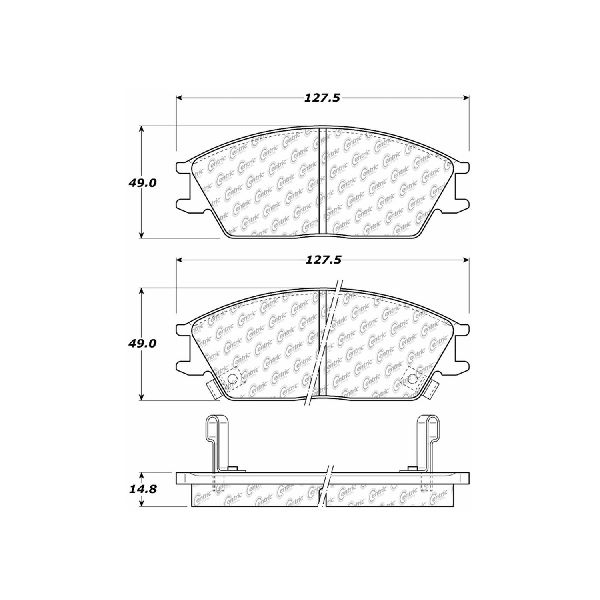
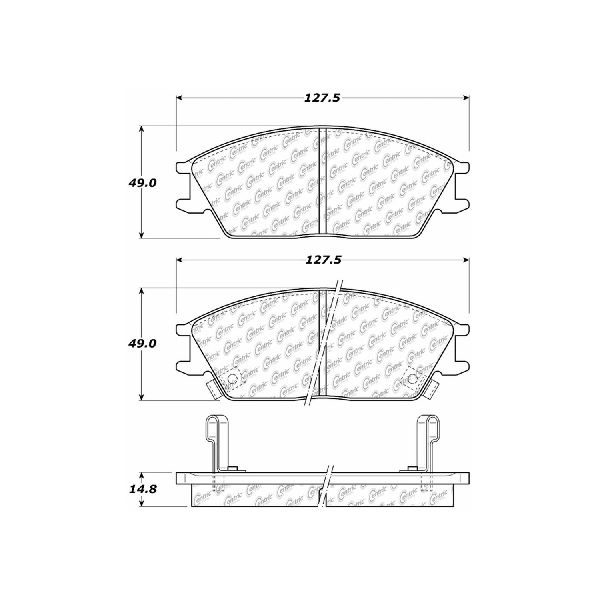
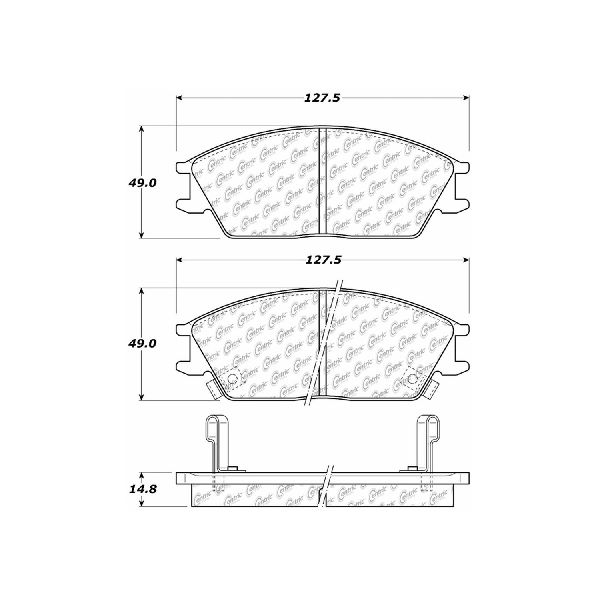
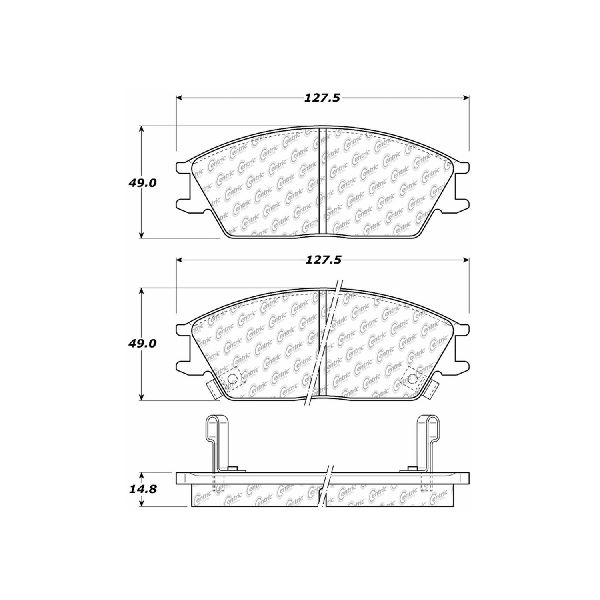
The front disc brake pads for all 1995-2005 Hyundai Accent models are generally interchangeable. The common industry part number (FMSI) is D440. The brake system uses a single-piston floating caliper design.
We Have This Part in Stock

The information in this article is provided for general reference and educational purposes only. Vehicle specifications, procedures, and part compatibility can vary by production date, trim level, and region. Always consult your vehicle's factory service manual and verify part numbers before purchasing or performing repairs. Safety-critical components such as airbags, seat belts, and braking systems should be installed by a qualified professional.
- Hyundai Accent: