

A Home Mechanic's Guide to 1995-2005 Pontiac Sunfire Fuel Injectors
Solve your Sunfire's rough idle, misfires, and poor gas mileage by choosing the right replacement fuel injectors.
- Replacing all four injectors at once is crucial for balanced engine performance.
- A raw fuel smell indicates a dangerous leak and is a fire hazard; do not drive the vehicle.
- Stick to reputable brands like Delphi or Standard Ignition; ultra-cheap injectors can cause more problems.
- Always lubricate new O-rings with clean engine oil to prevent tearing and ensure a proper seal.
Is Your Sunfire's Fuel Injector Failing?
A bad fuel injector can cause a range of problems, from annoying to serious. Because they can get clogged with fuel deposits over time or simply wear out electrically, the symptoms often start small and get worse. Catching them early can prevent damage to other parts, like your catalytic converter.
Common Symptoms of a Bad Fuel Injector:
- Rough Idle and Stalling: The engine may shake or feel unstable when you're stopped.
- Engine Misfires: You might feel a hesitation or stumble during acceleration. This often triggers a flashing Check Engine Light and a P0300 random misfire code.
- Poor Fuel Economy: If an injector is stuck open or leaking, it wastes gas.
- Fuel Smell: A strong smell of raw gasoline around the car is a major red flag for a leaking injector or O-ring. This is a fire hazard and should be addressed immediately.
- Hard Starting: The engine may crank longer than usual before it starts. 🎬 Watch: How to test if your injectors have failed
Choosing the Right Aftermarket Fuel Injector
For a vehicle like the 1995-2005 Sunfire, you don't need to pay dealership prices for a quality part. The original injectors were often made by AC Delco or Delphi, and you can get that same quality from the aftermarket.
Brand Quality Tiers
- Top Tier (OEM Equivalent): Delphi is a highly respected brand that was likely the original equipment manufacturer (OEM) for your Sunfire. Choosing Delphi is the closest you can get to buying the original part, ensuring excellent fit, spray pattern, and reliability.
- Mid-Grade (Reliable Aftermarket): Standard Ignition (SMP) is a well-known aftermarket brand that produces reliable replacement parts. Their injectors are engineered to match the original's performance and are a solid choice for a daily driver. While most users have good experiences, occasional out-of-box failures have been reported, which is a risk with many aftermarket parts.
- Value Brands: Brands like GBR Fuel Injection and Skyward are more budget-focused. While they offer significant savings, there is very little public information or long-term reviews on their quality and durability for this specific vehicle. Buying from these brands can be a gamble, as cheaper injectors sometimes suffer from inconsistent flow rates which can hurt performance and fuel economy.
Cost of Replacing Pontiac Sunfire Fuel Injectors
| Part Type | Estimated Cost (Per Injector) | Notes |
|---|---|---|
| New Aftermarket | $38 - $145 | Price varies by brand. Delphi and Standard Ignition are on the higher end of this range. |
| New OEM (AC Delco) | $120 - $200+ | Highest quality and cost, often identical to top-tier aftermarket like Delphi. |
| Professional Labor | $125 - $250 | The job typically takes 1-2 hours for a professional mechanic. |
Frequently Asked Questions (FAQ)
Should I replace all four fuel injectors at once?
Yes, it is highly recommended. Fuel injectors wear out at a similar rate. Replacing just one can create an imbalance in the engine, as the new injector will perform differently than the old ones. This can lead to a rough idle and persistent performance issues.
Can I just clean my old injectors instead of replacing them?
While professional ultrasonic cleaning can restore clogged injectors, the cost can sometimes be close to the price of new aftermarket parts. For an older vehicle like the Sunfire, and considering the risk of electronic failure, replacing them is often a more reliable long-term solution.
What is the most common mistake when replacing injectors?
Forgetting to lubricate the new O-rings with a little bit of clean engine oil or gasoline before installation. Forcing a dry O-ring can cause it to tear, creating a dangerous fuel leak or a vacuum leak that will cause performance problems. Also, make sure the old O-ring is removed from the engine's intake port if it doesn't come out with the old injector.
My car has a P0300 code. Is it the fuel injectors?
A P0300 random misfire code can be caused by many things, but a clogged or failing fuel injector is a very common culprit. Other potential causes include bad spark plugs, a faulty ignition coil pack, or a vacuum leak. If you've already replaced plugs and are still getting the code, injectors are a logical next step.
🎬 See these tips for diagnosing a P0300 misfire codeHelpful Videos
![Replacing Fuel Injectors [Pontiac Sunfire / Chevy Cavalier]](https://img.youtube.com/vi/k0MIOBzkEpg/mqdefault.jpg)
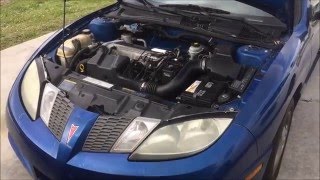
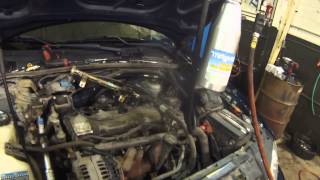
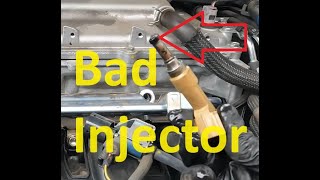
Technical Specifications
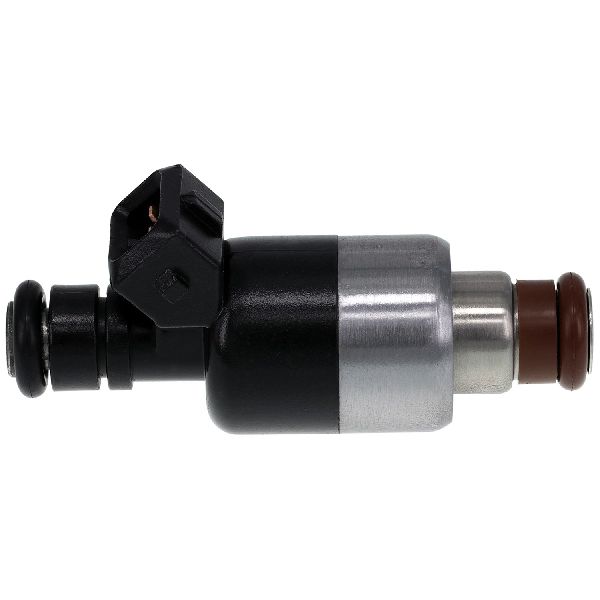
OEM Part Numbers: 25321267 832-11172
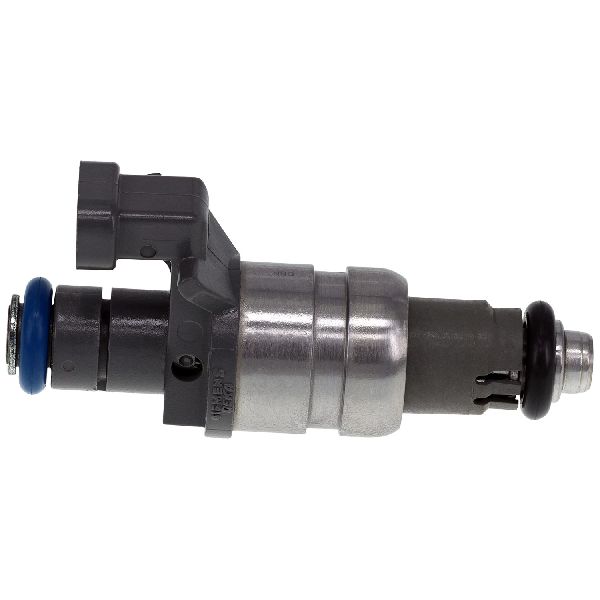
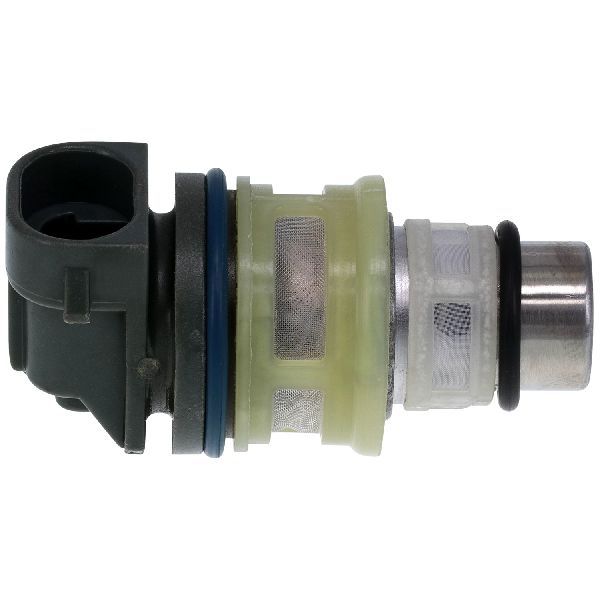
This vehicle uses a port-style fuel injector. The specific part number can vary between the 2.2L and 2.4L engines and model years. Always verify fitment before ordering.
We Have This Part in Stock


The information in this article is provided for general reference and educational purposes only. Vehicle specifications, procedures, and part compatibility can vary by production date, trim level, and region. Always consult your vehicle's factory service manual and verify part numbers before purchasing or performing repairs. Safety-critical components such as airbags, seat belts, and braking systems should be installed by a qualified professional.
- Pontiac Sunfire: