

Chevrolet Blazer Engine Coolant Temp Sensor Guide (1995-2006)
Fix poor performance and incorrect gauge readings on your Blazer by understanding this critical sensor.
- Verify your Blazer's year before buying; 1995-1998 models use two different sensors, while 1999-2006 use a single sensor for everything.
- For reliability, choose trusted brands like ACDelco or Delphi for this critical sensor.
- If you have a P0128 trouble code, your problem is most likely a stuck-open thermostat, not the ECT sensor.
- Replacement is a simple DIY task for most owners and can be done in under 30 minutes with basic tools.
Is a Faulty Coolant Temp Sensor Causing Your Blazer's Problems?

If your 1995-2006 Chevrolet Blazer is running rough, getting bad gas mileage, or has an erratic temperature gauge, a bad Engine Coolant Temperature (ECT) sensor could be the culprit. This sensor's signal affects many systems, and a wrong reading can cause a variety of confusing symptoms. Because it's an inexpensive and often easy part to replace, it's a common first step in troubleshooting these issues.
Critical: How Many Sensors Does Your Blazer Have?
Before buying a part, you must know your Blazer's year. This is the most common mistake owners make.
- 1995-1998 Models: These trucks have TWO separate sensors. One is a two-wire sensor for the computer (the ECT), located on the front of the intake manifold near the thermostat housing. The other is a one-wire sender for the dashboard gauge, located on the driver's side cylinder head. If your gauge is bad but the truck runs fine, you likely need the sender, not the main ECT sensor.
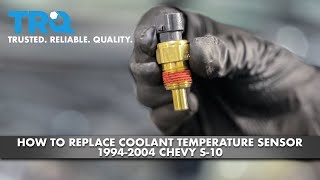
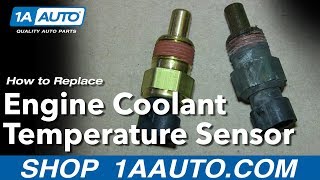
- 1999-2006 Models: GM simplified the system to a SINGLE two-wire sensor. This one sensor provides information to both the computer and the dashboard gauge. It is located on the driver's side cylinder head, between the front two spark plugs (#3 and #5). 🎬 Watch this step-by-step guide to replacing the sensor yourself.
Confirming your year and the location of your faulty sensor is essential to ordering the correct part.
Symptoms of a Bad ECT Sensor

- Check Engine Light: The most common sign. Codes like P0117 (low input), P0118 (high input), or P0128 (thermostat rationality) may be stored.
- Poor Fuel Economy: If the sensor tells the computer the engine is always cold, the computer will command a rich fuel mixture, wasting gas.
- Black Smoke from Exhaust: A sign of an overly rich fuel mixture, which can be caused by a bad ECT sensor reading cold.
- Engine Stalling or Rough Idle: After warming up, the engine may stumble or stall if the fuel mixture is incorrect.
- Inaccurate Temperature Gauge: The gauge may read very low, very high, or not move at all.
- Hard Starting: The engine may be difficult to start, especially when warm, if the computer is getting an incorrect temperature reading.
Choosing the Right Aftermarket Sensor

For a critical sensor like this, brand quality matters. While many options are available, owner experience points to a clear hierarchy.
Tier 1: OEM / Premium Aftermarket
These brands are known for providing original equipment parts to GM or have a long-standing reputation for quality electronics. They are the most recommended choice for fit and long-term reliability.
- ACDelco: As the original GM parts brand, this is the true OEM option. You can't go wrong with ACDelco for a guaranteed fit and function.
- Delphi: Delphi was once part of GM and manufactured many of its original electronic components. They are widely considered to be of equal quality to ACDelco and are a trusted choice among mechanics and experienced owners.
Tier 2: Reputable Aftermarket
These are well-known brands in the aftermarket that produce a wide range of components. They are generally reliable and a good alternative if OEM brands are not available.
- NGK / NTK: Known for world-class sensors, NTK is the sensor division of NGK. A very solid choice.
- Standard Ignition (SMP): A long-time player in the ignition and sensor market, offering a dependable product.
- Walker Products: Another established brand for engine management components.
Tier 3: Value Brands
These brands focus on affordability. They may be a good choice for a budget repair, but their long-term durability and the precision of their temperature readings can sometimes be inconsistent compared to premium brands.
- Four Seasons, Global Parts, True Tech, and other store brands.
| Part Type | Price Range | Notes |
|---|---|---|
| New Aftermarket | $12.58 - $40.82 | Price varies by brand. Premium brands like ACDelco and Delphi are at the higher end. |
| New OEM (ACDelco) | $25 - $50 | Often available from dealers or online. Provides peace of mind. |
| Shop Labor | $60 - $120 | Typically 0.5 to 1.0 hours of labor. Replacement is fast for an experienced mechanic. |
Pro Tip: Check Your Thermostat First!
A common trouble code, P0128, often gets blamed on the ECT sensor. However, this code specifically means the engine is not reaching operating temperature quickly enough. In 99% of cases, this is caused by a thermostat that is stuck open, not a bad sensor. If you have a P0128 code, inspect or replace your thermostat first.
🎬 See how to diagnose and fix a P0128 trouble code.Frequently Asked Questions (FAQ)
Where is the ECT sensor located on my Blazer?
It depends on the year. For 1999-2006 models, it's a single sensor on the driver's side cylinder head. For 1995-1998 models, the main ECT sensor is on the front of the intake manifold near the thermostat housing.
What's the difference between the ECT sensor and the temperature sender?
On 1995-1998 models, they are two different parts. The ECT sensor (two wires) talks to the engine computer. The temperature sender or switch (one wire) controls the dashboard gauge. On 1999+ models, one sensor does both jobs.
Can a bad ECT sensor cause my Blazer to not start?
It's possible, but not the most common symptom. A sensor reading an extremely hot or cold temperature can cause the computer to create a fuel mixture that won't ignite properly, leading to hard starting or extended cranking.
Is there a recall for the ECT sensor on my Blazer?
No. Searches of the NHTSA database show no safety recalls or major technical service bulletins (TSBs) related to the engine coolant temperature sensor for the 1995-2006 Chevrolet Blazer.
Helpful Videos
Technical Specifications
OEM Part Numbers: ACDelco 213-928 ACDelco 213-4514 Delphi TS10075
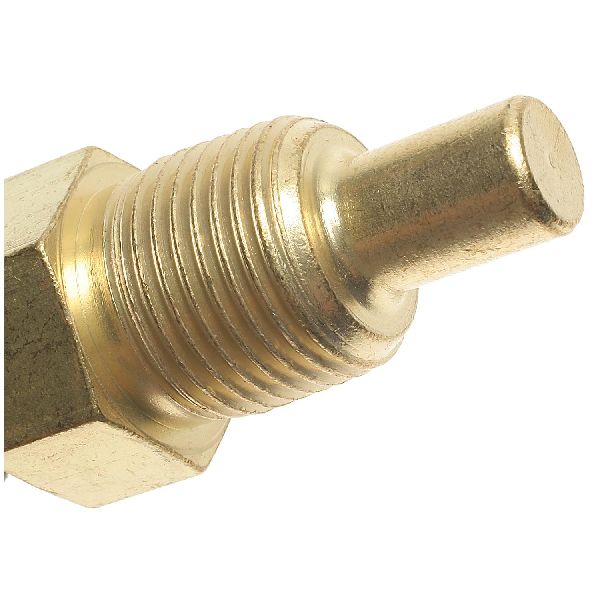
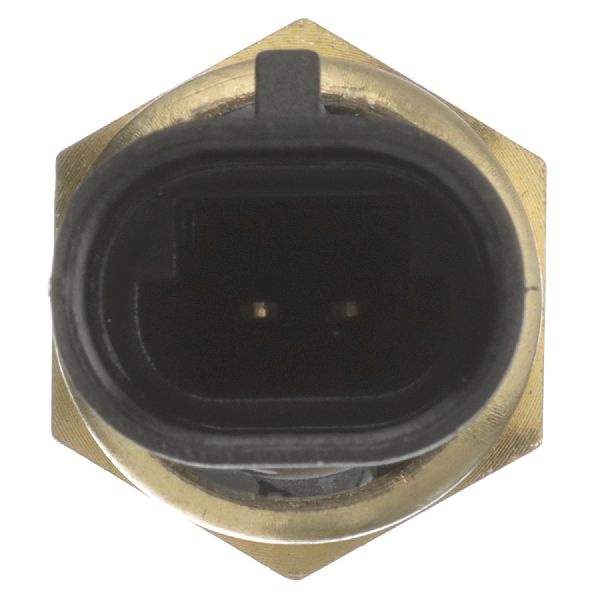
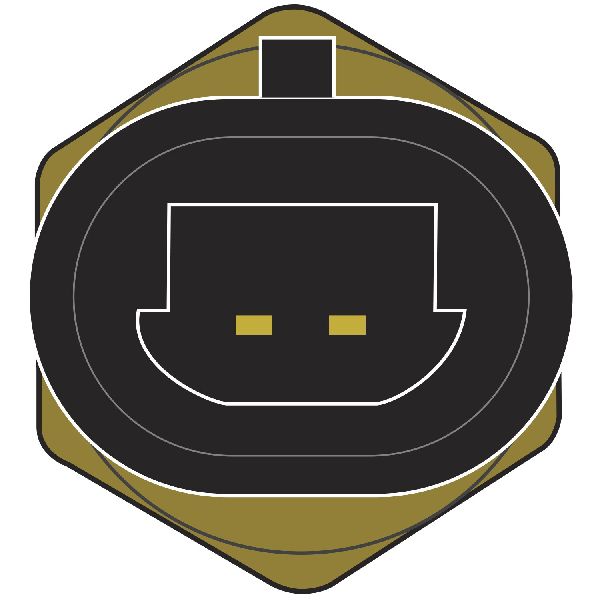
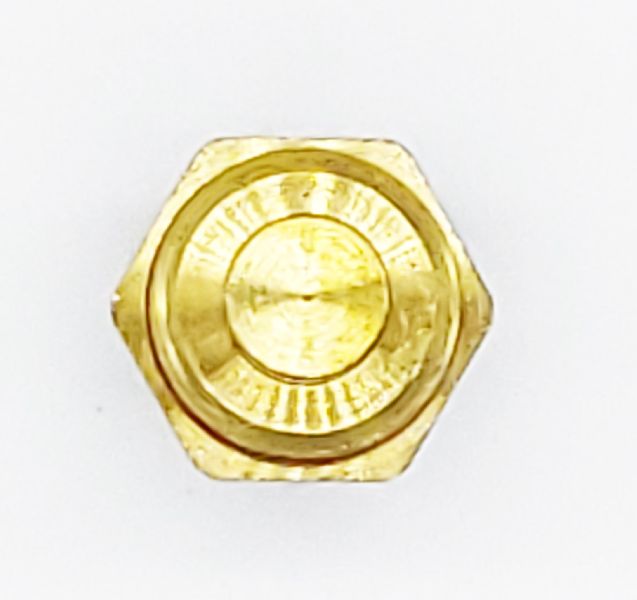
Typically a two-pin, threaded brass sensor. The location and function (computer vs. gauge) vary by year.
We Have This Part in Stock


The information in this article is provided for general reference and educational purposes only. Vehicle specifications, procedures, and part compatibility can vary by production date, trim level, and region. Always consult your vehicle's factory service manual and verify part numbers before purchasing or performing repairs. Safety-critical components such as airbags, seat belts, and braking systems should be installed by a qualified professional.
- Chevrolet Blazer:
- 🎬 Helpful Videos
- 🛍️ Shop This Part
- Is a Faulty Coolant Temp Sensor Causing Your Blazer's Problems?
- Critical: How Many Sensors Does Your Blazer Have?
- Symptoms of a Bad ECT Sensor
- Choosing the Right Aftermarket Sensor
- Pro Tip: Check Your Thermostat First!
- Frequently Asked Questions (FAQ)
- 🎟️ Get 5% Off