

A Mechanic's Guide to the Dodge Stratus Catalytic Converter (1995-2006)
Address your check engine light and power loss by choosing the right catalytic converter for your Stratus.
- For 2.7L V6 engines, you must confirm the engine is healthy and not producing oil sludge before replacing the converter, or the new part will fail quickly.
- Choose a trusted aftermarket brand like Walker or MagnaFlow for better longevity and to avoid a recurring check engine light.
- Replacing oxygen sensors at the same time is a smart investment to ensure the entire emissions system functions correctly.
- Be prepared for heavily rusted bolts; the job is simple in theory but can be difficult in practice due to corrosion.
Is Your Stratus Catalytic Converter Failing?
A failing catalytic converter isn't just bad for the environment; it directly impacts how your Stratus drives. When the converter gets clogged or stops working, it can choke the engine. You need to watch for several key symptoms that point to a bad converter.
Common Failure Symptoms:
- Check Engine Light: This is the most common sign. The light often appears with error code P0420, which means the converter's efficiency is below the required level.
- Loss of Power: If your Stratus feels sluggish and struggles to accelerate, the converter may be clogged, creating backpressure that restricts the engine.
- Rotten Egg Smell: A distinct sulfur smell from the exhaust means the converter isn't properly breaking down gases.
- Rattling Noise: The ceramic honeycomb inside the converter can break apart over time, causing a rattling sound from under the car as the pieces bounce around.
- Worse Fuel Economy: Your engine has to work harder to push exhaust through a clogged converter, which burns more fuel.
Warning for 2.7L V6 Owners: Find the Root Cause First!
Before you spend money on a new catalytic converter for a Stratus with the 2.7L V6 engine, you MUST investigate the engine's health. This specific engine is infamous for developing oil sludge due to design factors like high heat and its PCV system. This sludge can cause serious engine damage and will quickly destroy a brand-new catalytic converter by contaminating it with burnt oil. If your engine is burning oil or has sludge, replacing the converter is only a temporary fix that will fail again. You must solve the underlying engine problem first.
Choosing the Right Aftermarket Converter for Your Stratus
Since OEM converters for a car this age can be expensive or discontinued, the aftermarket is your most likely source. However, not all aftermarket parts are created equal, especially for Chrysler vehicles which can be sensitive to converter efficiency. Cheaper parts may not have enough precious metals, causing the P0420 code to return. Here’s how the brands generally stack up:
- Standard / OE-Style (Recommended): Brands like Walker Exhaust and MagnaFlow are trusted names in the exhaust industry. Walker is known for providing a good balance of quality and value, similar to the original part. MagnaFlow is often seen as a slight step up, with robust stainless steel construction that may offer better exhaust flow. These are your safest bets for a lasting repair without check engine light issues.
- Economy: Brands like AP Exhaust, Davico, Dorman, and Eastern Catalytic offer more budget-friendly options. These can be a good choice if you're on a tight budget or plan to sell the car soon. Be aware that there is a higher risk of the P0420 code returning due to lower catalyst loads.
- Performance: MagnaFlow Performance Exhaust offers high-flow converters designed to improve engine output by reducing backpressure. This is an option for enthusiasts, but not necessary for a standard daily driver.
Pro Tip: Check Your State's Laws
Some states, like California and New York, have stricter emissions laws and require catalytic converters to be CARB-compliant. Most aftermarket converters are Federal/EPA compliant (49-state legal). Always verify the part you are buying is legal for use in your state. A CARB-compliant converter is generally higher quality with more catalyst material but is also more expensive.
How Much Does a Dodge Stratus Catalytic Converter Cost?
The cost depends heavily on whether you choose an OEM, aftermarket, or used part, and whether you do the work yourself. The price of the part itself can range from under $100 to over $700.
| Part Type | Estimated Cost |
|---|---|
| New Aftermarket | $74 - $740 |
| Shop Labor | $150 - $350 |
| New OEM | $800 - $1,500+ |
| Used OEM | $100 - $250 |
Frequently Asked Questions
What is the P0420 code and how do I fix it?
The P0420 code means "Catalyst System Efficiency Below Threshold (Bank 1)". The car's computer compares readings from the oxygen sensors before and after the catalytic converter. If the converter isn't cleaning the exhaust effectively, the computer triggers this code. While a bad converter is the most common cause, the code can also be triggered by a bad oxygen sensor, an exhaust leak, or an engine problem sending unburned fuel into the exhaust. Always diagnose the root cause before replacing parts.
Can I just clean my catalytic converter?
Generally, no. While some fuel additives claim to clean converters, they cannot repair a converter that is physically broken inside or one that is melted or clogged from oil or coolant contamination. Once a converter is truly clogged or has failed, replacement is the only reliable solution.
Should I replace my oxygen sensors with the catalytic converter?
It is highly recommended. Oxygen sensors are key to how the system works, and they have a similar lifespan to the converter. A lazy or failing oxygen sensor can send bad data to the car's computer, which can either cause a P0420 code on its own or reduce the efficiency of the new converter. Replacing them at the same time ensures the entire system is working correctly.
Is it hard to replace a Stratus catalytic converter myself?
The job is straightforward but can be difficult. It involves unbolting the old unit and bolting in the new one. The biggest challenge is heavily rusted bolts, which are very common on exhaust parts. You will likely need penetrating oil, a breaker bar, and possibly a torch or impact gun to remove the old hardware. If the bolts break, you may need to drill them out. It is feasible for a DIYer with the right tools and patience.
Technical Specifications
Fitment varies based on engine size (2.4L I4, 2.5L V6, 2.7L V6) and model year. Most replacements are direct-fit, bolt-on units, though some universal parts may require welding. Always verify the part is an exact match for your vehicle's specific configuration.
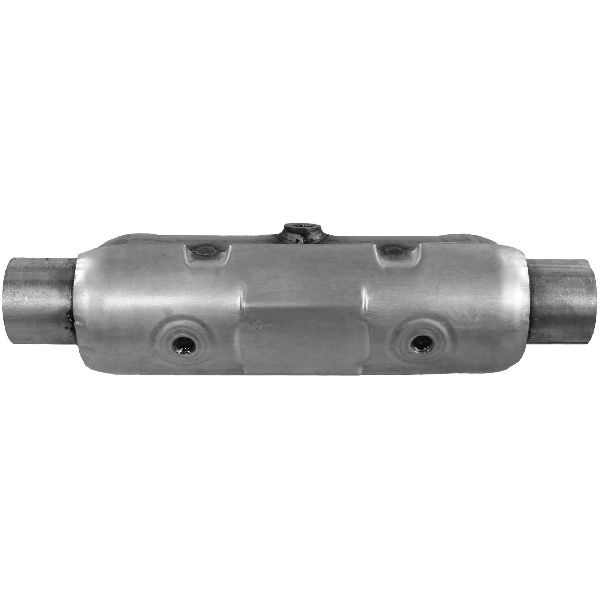
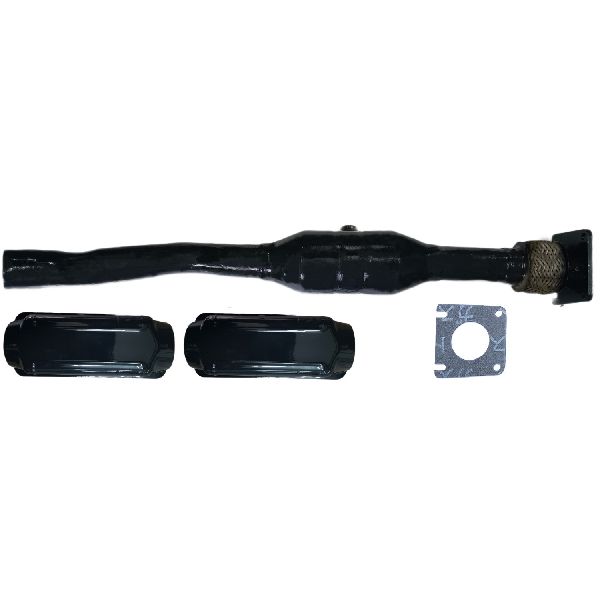
We Have This Part in Stock
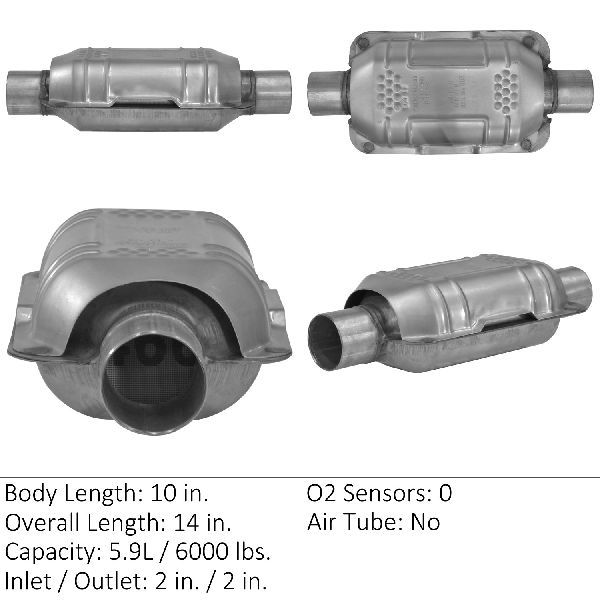
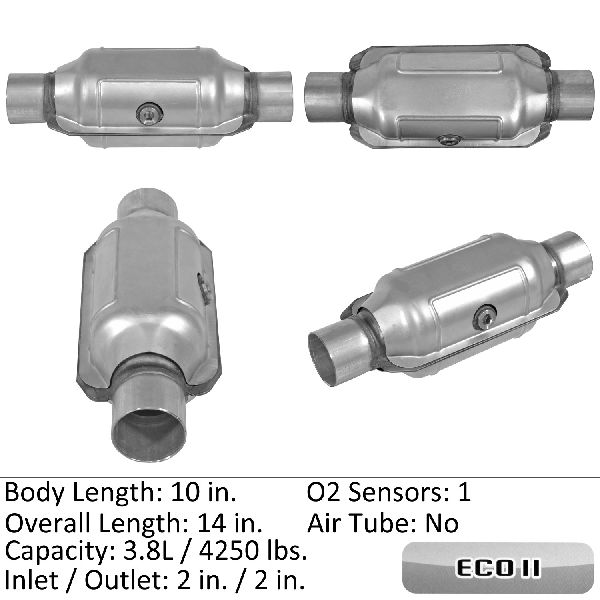
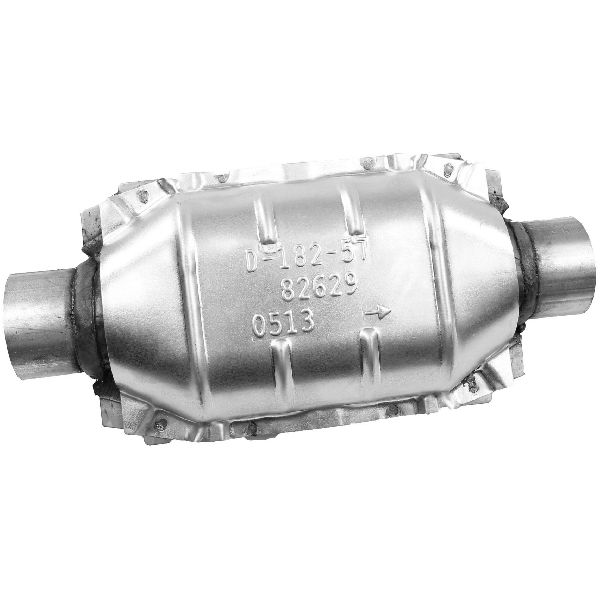
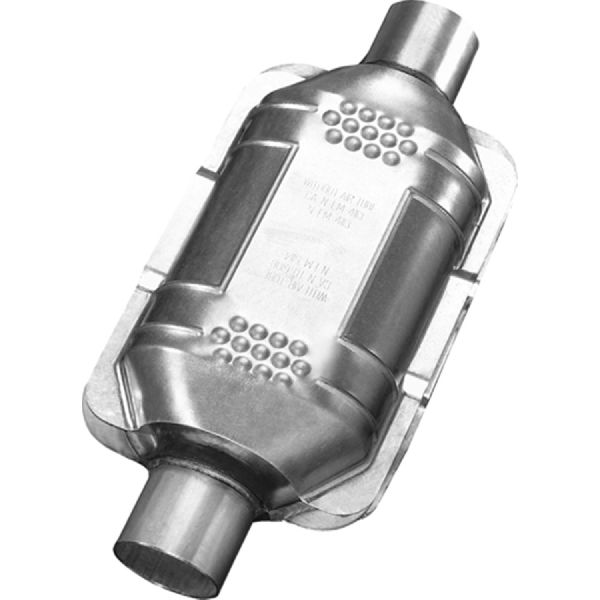

The information in this article is provided for general reference and educational purposes only. Vehicle specifications, procedures, and part compatibility can vary by production date, trim level, and region. Always consult your vehicle's factory service manual and verify part numbers before purchasing or performing repairs. Safety-critical components such as airbags, seat belts, and braking systems should be installed by a qualified professional.
- Dodge Stratus:
- 🛍️ Shop This Part
- Is Your Stratus Catalytic Converter Failing?
- Common Failure Symptoms:
- Warning for 2.7L V6 Owners: Find the Root Cause First!
- Choosing the Right Aftermarket Converter for Your Stratus
- Pro Tip: Check Your State's Laws
- How Much Does a Dodge Stratus Catalytic Converter Cost?
- Frequently Asked Questions
- 🎟️ Get 5% Off