

A Dodge Stratus Owner's Guide to Replacing Disc Brake Pads (1995-2006)
Solve common brake problems and choose the right pads for your Stratus sedan or coupe.
- Verify if you own a Stratus Sedan or the mechanically different Stratus Coupe before ordering parts.
- To permanently fix common brake vibration issues, plan to replace your brake rotors at the same time as your pads.
- Choose a quality aftermarket brand like Bosch, Wagner, or Akebono for a great balance of performance and value on this vehicle.
- Inspect your rear brakes to ensure they are working correctly, as faulty rear brakes can cause the front pads and rotors to wear out prematurely.
Is Your Stratus Telling You It Needs New Brakes?
Worn-out brake pads don't just reduce your stopping power; they announce their failure with several warning signs. If you notice any of these symptoms, it's time to inspect your brakes immediately.
- High-Pitched Squealing: Most brake pads have a small metal tab called a wear indicator. When the pads get thin, this tab scrapes against the rotor, creating a loud squeal as a warning.
- Grinding Noises: If you hear a deep, metallic grinding sound, stop driving as soon as it is safe. This means the friction material is completely gone, and the metal backing plate is grinding against the rotor, causing severe damage.
- Vehicle Pulling to One Side: If your Stratus pulls to the left or right when you brake, it could mean a caliper is stuck or the pads on one side are worn more than the other.
- Vibration or Pulsing Pedal: A pulsing sensation in the brake pedal or a vibration in the steering wheel often points to warped brake rotors, a very common issue on the Stratus.
Stratus Sedan vs. Stratus Coupe: A Critical Difference
From 2001 to 2005, Dodge sold a Stratus Coupe that was mechanically different from the Stratus Sedan. The coupe was based on a Mitsubishi platform, and its brake components are NOT interchangeable with the sedan. Always verify you are buying parts for the correct body style of your vehicle.
Known Issues for the 1995-2006 Dodge Stratus
Some Stratus owners, particularly of the first generation (1995-2000), have reported premature warping of the front brake rotors. This leads to a pulsing or shaking feeling when braking. This can be caused by the front brakes doing too much of the work. On models with rear drum brakes, ensure the rear self-adjusters are working correctly so the rear brakes are contributing their share of stopping power. When replacing pads due to a vibration, it is almost always necessary to replace or resurface the rotors at the same time.
Additionally, be aware of a few safety recalls on related parts. One recall (NHTSA 99V244) noted a rear brake tube that could rub and leak. Another (NHTSA 96V074000) was for a potential ABS valve issue on 1995-1996 models that could cause swerving. While not for the pads themselves, these issues highlight the importance of inspecting the entire brake system.
Choosing the Right Aftermarket Brake Pads
For a vehicle like the Stratus, high-quality aftermarket pads offer the best combination of performance and value. Original equipment (OEM) Mopar pads can be hard to find and expensive. Aftermarket brands often meet or exceed original quality. Here’s how to choose:
Pad Material: Ceramic vs. Semi-Metallic
- Semi-Metallic: This was the original material on many Stratus models. They are great for performance and heat dissipation but can be noisier and create more dark-colored dust.
- Ceramic: A popular upgrade, ceramic pads are known for being very quiet and producing a light-colored dust that is less visible on wheels. They provide smooth, consistent stopping power for daily driving.
Brand Tiers for Your Stratus
Tier 1: Daily Driver (Recommended)
These brands provide an excellent balance of quality, performance, and price for most Stratus owners. They are quiet, reliable, and often come with necessary hardware.
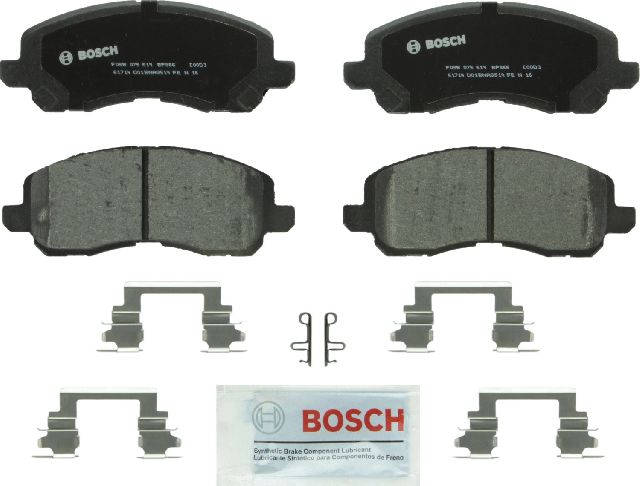
- Bosch QuietCast: A top pick for daily drivers, known for being exceptionally quiet and having great performance.
- Wagner ThermoQuiet / OEX: A long-standing, reputable brand offering pads designed for quiet operation and reliable stopping.
- Akebono: Often an OEM supplier for many car brands, Akebono is considered a gold standard for quiet, low-dust, and long-lasting ceramic pads.
- Raybestos & Centric: Both are well-respected brands in the aftermarket, providing solid, dependable OE-quality replacement pads.
Tier 2: Performance Upgrade
If you want improved stopping power, especially if you live in a hilly area or just prefer a more aggressive bite.
- Power-Stop Z23 / Z26 Kits: A very popular all-in-one solution that often includes drilled and slotted rotors along with carbon-fiber ceramic pads for improved cooling and performance.
- EBC Brakes (Yellowstuff/Redstuff): A UK-based brand known for high-performance pads that offer a significant increase in friction and fade resistance, suitable for spirited driving.
Tier 3: Economy
For those on a tight budget, brands like Dynamic Friction, Pronto, or store brands like Duralast are available. While they meet basic safety standards, they may not offer the same longevity, quietness, or low-dust characteristics of the daily driver brands.
Pro Tip: Always Inspect Your Rotors
When you replace your brake pads, always inspect the rotors. If they have deep grooves, a large lip on the outer edge, or show signs of heat discoloration (bluish spots), they should be replaced. Given the Stratus's tendency for rotor warping, replacing pads and rotors together is often the best practice for a smooth, vibration-free brake job.
Frequently Asked Questions
Do I have to replace my rotors with my pads?
You don't always have to, but it's highly recommended for the Dodge Stratus. If your rotors are smooth and within the minimum thickness specification, they can be reused. However, to prevent the common pulsing and vibration issues, installing new pads on new, flat rotors provides the best and longest-lasting results.
What tools do I need to change my Stratus brake pads?
The job requires basic hand tools. You'll need a lug wrench, jack and jack stands, a socket set (common sizes include 10mm, 14mm, and 18mm depending on the year and model), a C-clamp or piston compressor tool, and brake grease.
Are front and rear brake pads the same?
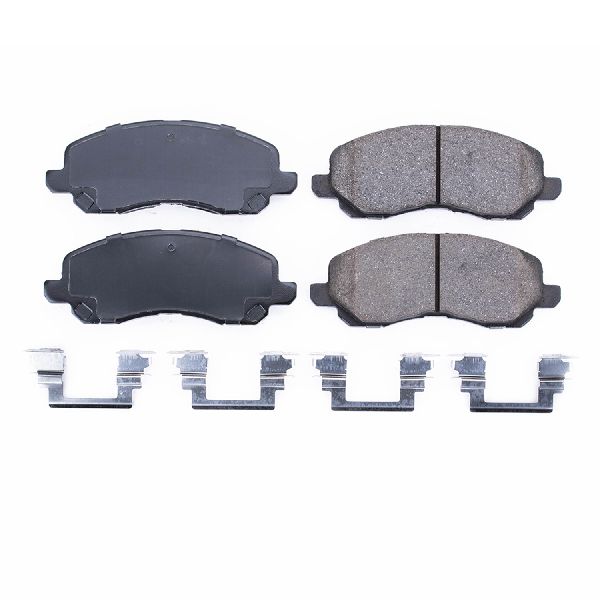
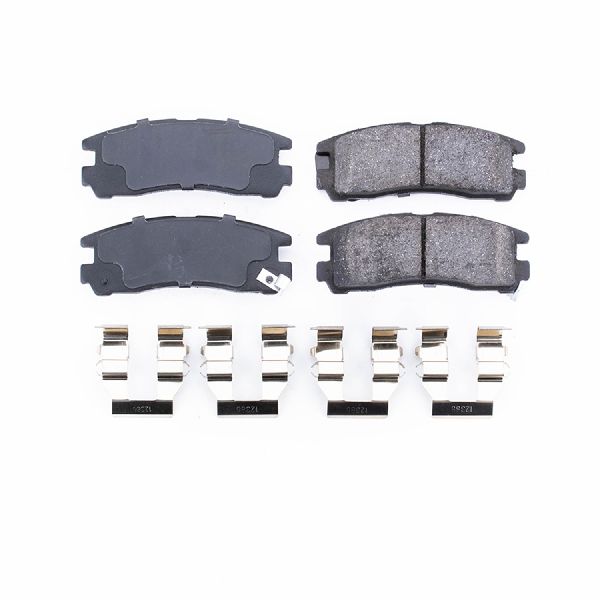
No. Front and rear brake pads are different shapes and sizes and are not interchangeable. The front brakes do most of the stopping and use larger pads. Some Stratus models also have drum brakes in the rear, which use brake shoes instead of pads. Always buy pads specific to the front or rear axle.
What is a brake pad break-in or "bedding" procedure?
Bedding is the process of transferring an even layer of friction material from the new pads onto the rotors. This ensures smooth, quiet, and effective braking. A typical procedure involves several moderate stops from around 40 mph without coming to a complete stop, followed by a cool-down period. Most pad manufacturers include specific instructions.
Technical Specifications
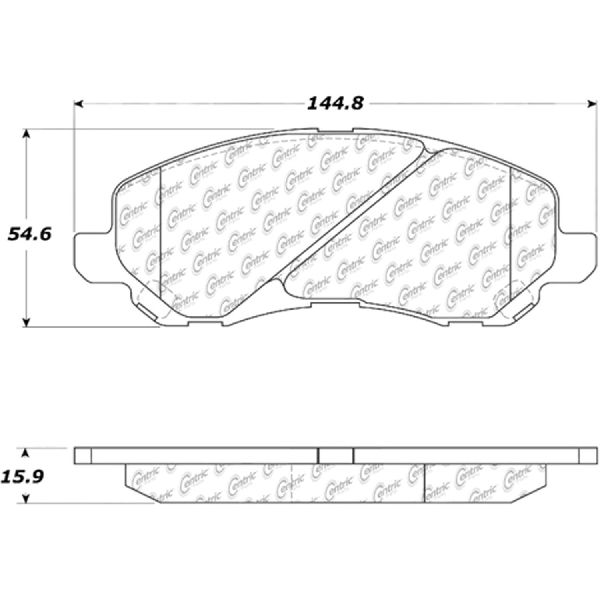
The 1995-2006 Dodge Stratus uses a diagonally split hydraulic brake system. Brake pad composition, shape, and size vary significantly between the first generation (1995-2000), second generation sedan (2001-2006), and second generation coupe (2001-2005). Some models may be equipped with rear drum brakes. Always use a VIN or year/make/model lookup tool to ensure correct part fitment.
We Have This Part in Stock
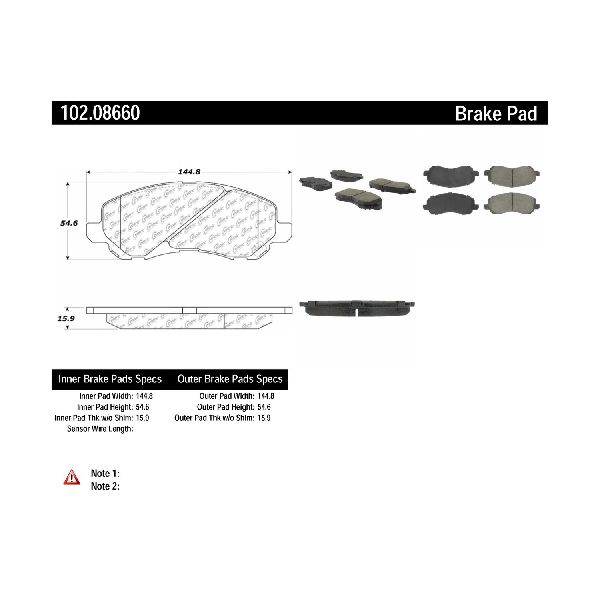
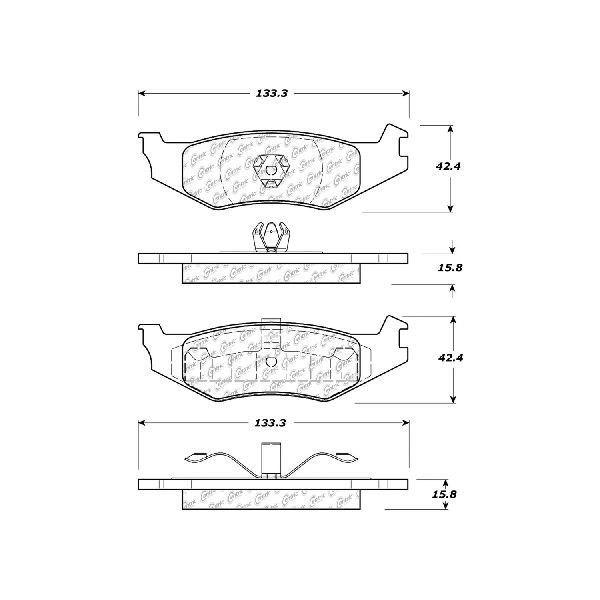

The information in this article is provided for general reference and educational purposes only. Vehicle specifications, procedures, and part compatibility can vary by production date, trim level, and region. Always consult your vehicle's factory service manual and verify part numbers before purchasing or performing repairs. Safety-critical components such as airbags, seat belts, and braking systems should be installed by a qualified professional.
- Dodge Stratus:
- 🛍️ Shop This Part
- Is Your Stratus Telling You It Needs New Brakes?
- Stratus Sedan vs. Stratus Coupe: A Critical Difference
- Known Issues for the 1995-2006 Dodge Stratus
- Choosing the Right Aftermarket Brake Pads
- Pad Material: Ceramic vs. Semi-Metallic
- Brand Tiers for Your Stratus
- Pro Tip: Always Inspect Your Rotors
- Frequently Asked Questions
- 🎟️ Get 5% Off