

Dodge Stratus Ignition Knock Sensor Guide (1995-2006)
Everything a Stratus owner needs to know about diagnosing and replacing a faulty knock sensor.
- Confirm your engine size (4-cylinder vs. V6) before buying, as it dramatically changes replacement difficulty and cost.
- A P0325 trouble code is the primary indicator of a failed knock sensor.
- For V6 models, spend the extra money on a high-quality brand (Delphi, NGK, Standard) to avoid repeating the labor-intensive repair.
- You can drive with a bad knock sensor, but you will experience poor performance and fuel economy, and risk potential engine damage long-term.
Is Your Dodge Stratus Knock Sensor Failing?
A bad knock sensor can cause more than just a Check Engine Light. Because the engine's computer can no longer detect harmful detonation, it will switch to a 'safe' mode. This safe mode uses very conservative ignition timing to prevent damage, which unfortunately leads to poor performance and bad gas mileage. Ignoring a failed knock sensor for too long could risk engine damage if a real knock condition occurs and goes undetected.
Symptoms of a Bad Knock Sensor on a 1995-2006 Dodge Stratus
- Check Engine Light: This is the most common sign. The code is usually P0325, which points to a malfunction in the knock sensor circuit.
- Poor Acceleration: The car may feel sluggish or hesitant, especially when you press the gas pedal.
- Reduced Fuel Economy: You'll notice you're filling up the gas tank more often because the engine isn't running efficiently.
- Engine Pinging or Knocking: In some cases, you might hear an audible metallic pinging sound, especially during acceleration.
Engine Size Matters for Replacement
The replacement job for the knock sensor is very different depending on which engine your Stratus has. Before buying a part or getting a quote, you must know if you have a 4-cylinder (2.0L, 2.4L) or a V6 (2.5L, 2.7L, 3.0L) engine.
Choosing the Right Aftermarket Knock Sensor
Not all aftermarket sensors are created equal. For a part like this, especially on V6 models where replacement is difficult, quality matters.
Tier 1: OEM-Equivalent Quality
These brands are known for making parts that meet or exceed the original factory specifications. They are the safest bet, especially for the hard-to-access V6 sensor location.
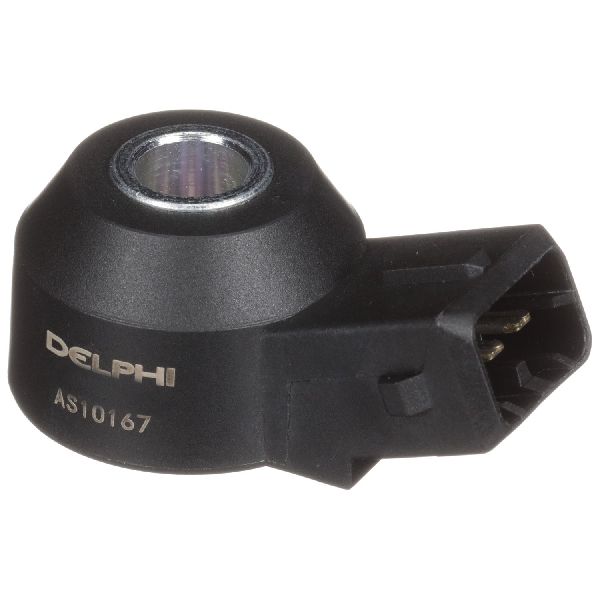
- Delphi: Often an original equipment manufacturer, Delphi sensors are built to withstand harsh engine conditions and provide accurate signals.
- NGK (NTK): NTK is the sensor division of NGK, a top name in engine electronics. They are highly regarded for quality and reliability, sometimes even better than the original part.
- Standard Ignition (SMP): A long-standing, reputable brand in the aftermarket that produces reliable sensors.
Tier 2: Quality Aftermarket
These brands offer a good balance of price and quality and are a solid choice for most repairs, especially on the easier 4-cylinder engines.
- Beck Arnley: Known for sourcing parts from a variety of quality manufacturers, often including OEM suppliers.
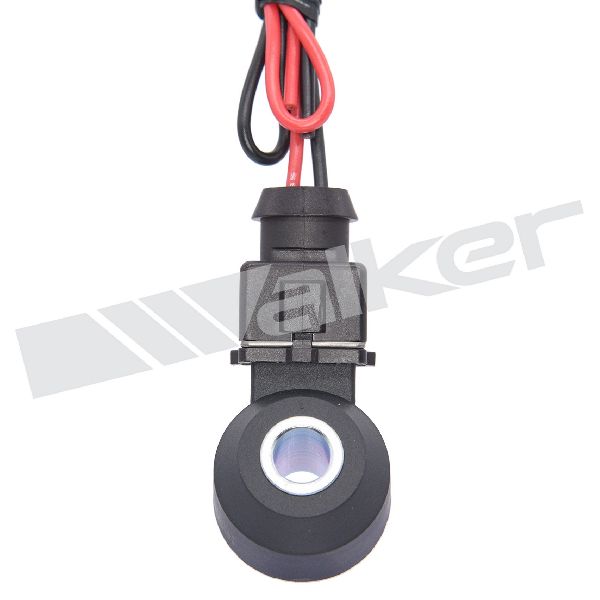
- Walker Products: A well-known aftermarket brand offering a wide range of engine management parts.
- Crown Automotive: Specializes in parts for Chrysler/Dodge/Jeep vehicles.
Tier 3: Economy Brands
These are the most budget-friendly options. While they can work, their long-term durability can be a gamble. They are best suited for the 4-cylinder models where replacement is less labor-intensive if the part fails prematurely.
- Global Parts, Motorad, and other low-cost online brands.
Pro Tip: For V6 engines, always choose a Tier 1 brand. The sensor is located under the intake manifold, and the labor to replace it is expensive. You do not want to pay to have the job done twice because of a cheap, faulty sensor.
Dodge Stratus Knock Sensor Replacement Cost
The cost varies significantly based on your engine. The part itself is not very expensive, but the labor can be.
| Engine | Part Cost (Aftermarket) | Estimated Shop Labor | Estimated Total Cost |
|---|---|---|---|
| 4-Cylinder (2.0L, 2.4L) | $21 - $75 | $100 - $175 (1-1.5 hours) | $121 - $250 |
| V6 (2.5L, 2.7L, 3.0L) | $25 - $115 | $300 - $750 (3-5 hours) | $325 - $865 |
Note: Labor costs are estimates and can vary by location and shop. The V6 replacement requires removing the intake manifold, which is why the labor is much higher.
Frequently Asked Questions
Where is the knock sensor located on my Dodge Stratus?
On 4-cylinder engines, the knock sensor is typically on the back of the engine block, accessible from underneath the car. On V6 engines, it is located in the valley of the engine, underneath the lower intake manifold, making it much harder to reach.
Can I replace the knock sensor myself?
If you have a 4-cylinder engine and are comfortable working under your car in tight spaces, it is a manageable DIY job. For V6 engines, the job requires removing the intake manifold and is recommended for experienced DIY mechanics or a professional shop due to its complexity.
What is the main trouble code for a bad knock sensor?
The most common diagnostic trouble code (DTC) is P0325, which indicates a circuit malfunction for Knock Sensor 1.
Are there any recalls for the Dodge Stratus knock sensor?
No. Searches of the National Highway Traffic Safety Administration (NHTSA) database and other public records show no specific recalls or technical service bulletins (TSBs) for the ignition knock sensor on the 1995-2006 Dodge Stratus.
Do I need to replace the wiring harness or connector?
Usually, you only need to replace the sensor itself. However, the plastic connector can become brittle with age and heat. Inspect it carefully when unplugging the old sensor. If it's cracked or broken, you should replace the connector pigtail as well to ensure a good connection.
Technical Specifications
OEM Part Numbers: 56028563AA 4606093 MD304933 MD159216
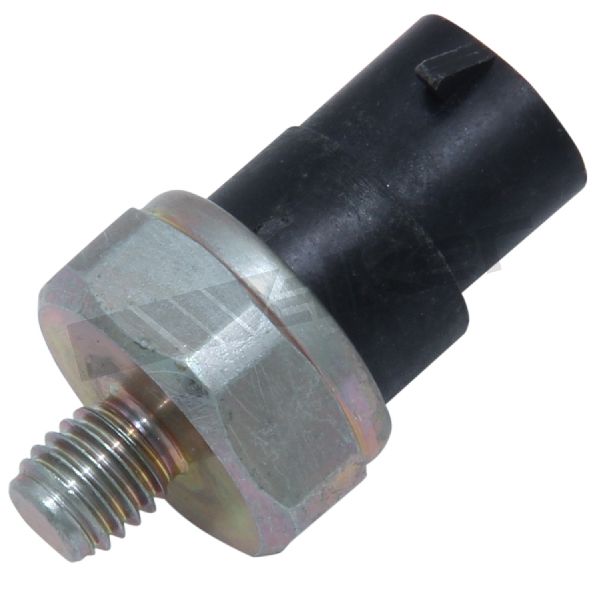
The knock sensor for the Dodge Stratus is a piezoelectric sensor designed to detect engine block vibrations within a specific frequency range indicative of detonation. It is a single-bolt mount sensor with a 2-pin electrical connector. Part numbers and internal calibration may vary between 4-cylinder and V6 engines, as well as across model years.
We Have This Part in Stock


The information in this article is provided for general reference and educational purposes only. Vehicle specifications, procedures, and part compatibility can vary by production date, trim level, and region. Always consult your vehicle's factory service manual and verify part numbers before purchasing or performing repairs. Safety-critical components such as airbags, seat belts, and braking systems should be installed by a qualified professional.
- Dodge Stratus:
- 🛍️ Shop This Part
- Is Your Dodge Stratus Knock Sensor Failing?
- Symptoms of a Bad Knock Sensor on a 1995-2006 Dodge Stratus
- Engine Size Matters for Replacement
- Choosing the Right Aftermarket Knock Sensor
- Tier 1: OEM-Equivalent Quality
- Tier 2: Quality Aftermarket
- Tier 3: Economy Brands
- Dodge Stratus Knock Sensor Replacement Cost
- Frequently Asked Questions
- 🎟️ Get 5% Off