

Dodge Stratus 1995-2006 Manifold Absolute Pressure (MAP) Sensor Guide
Solving rough idle, poor mileage, and hesitation issues in your Stratus starts here.
- A failing MAP sensor is a common cause of rough idle, poor mileage, and hesitation in the 1995-2006 Dodge Stratus.
- Replacement is a simple, beginner-friendly DIY job that takes less than 30 minutes with basic tools.
- While no recalls exist for this part, it's a common failure item. Choosing a quality aftermarket brand like Delphi or NGK is a reliable alternative to a more expensive OEM part.
- Always clear the engine codes after replacement by using a scan tool or disconnecting the battery to ensure the computer adapts to the new sensor.
Is Your Dodge Stratus Running Rough? It Could Be the MAP Sensor.
If your 1995-2006 Dodge Stratus is experiencing issues like a shaky, rough idle, a sudden drop in gas mileage, or it hesitates when you step on the gas, a failing Manifold Absolute Pressure (MAP) sensor is a likely culprit. This sensor plays a key role in how your engine burns fuel. When it fails, the engine's computer gets bad data, leading to poor performance. Replacing it is a straightforward job that can restore your engine's smoothness and efficiency.
Symptoms of a Failing MAP Sensor in a Dodge Stratus
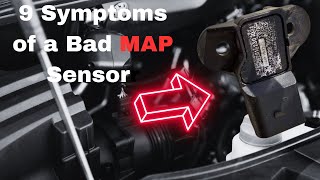
A bad MAP sensor will almost always turn on the Check Engine Light. Common diagnostic trouble codes (DTCs) associated with MAP sensor failure include P0106, P0107, and P0108. Beyond the warning light, you may notice one or more of the following symptoms:
🎬 Watch: See these common MAP sensor failure signs in action.- Rough or Erratic Idle: The engine may shake or vibrate at a stop.
- Poor Fuel Economy: You'll find yourself filling up the gas tank more often due to an inefficient air-fuel mixture.
- Hesitation or Stalling: The car may stumble or even die when you accelerate from a stop.
- Lack of Power: Your Stratus may feel sluggish and slow to accelerate.
- Black Smoke or Gas Smell: A rich fuel mixture can cause black smoke from the exhaust and a noticeable smell of gasoline.
- Engine Knocking (Pinging): A lean fuel mixture can cause detonation, which sounds like a metallic pinging or knocking noise during acceleration.
No Specific Recalls, But A Common Failure Part
Searches of the National Highway Traffic Safety Administration (NHTSA) database show no specific recalls or technical service bulletins (TSBs) for the MAP sensor on the 1995-2006 Dodge Stratus. However, it is a common wear-and-tear electronic component that fails over time due to heat cycles and contamination.
Choosing the Right Aftermarket MAP Sensor
While a Mopar OEM sensor is an option, the aftermarket offers a wide range of choices that can provide excellent performance, often at a lower cost. Here’s a breakdown of the available brands to help you decide.
Tier 1: OEM-Quality Aftermarket
These brands are often original equipment suppliers to various automakers and are known for their quality and reliability. They are a safe choice if you want near-OEM performance without the dealer price tag.
- Delphi: A major OE manufacturer, Delphi parts are widely trusted and considered a top-tier choice for sensors.
- NGK / NTK: Known for excellence in ignition and sensor technology, NGK (and its sensor brand NTK) is a highly reputable option that often meets or exceeds OEM standards.
- Standard Ignition (SMP): A long-standing brand in the aftermarket, Standard offers parts that are generally well-regarded. While some forum users note sensor quality can be hit-or-miss, they are a solid choice above budget options.
Tier 2: Reputable Aftermarket Brands
These brands offer a good balance of quality and value, making them a popular choice for DIY repairs.
- Walker Products: Walker specializes in fuel and engine management parts and markets its sensors as meeting or exceeding OE specifications.
- Holstein: This brand focuses on sensors and offers a direct-fit replacement part that is a reliable mid-tier option.
Tier 3: Budget-Friendly Options
These brands are the most affordable and can be a good choice for older vehicles or those on a tight budget. Quality can vary, but they provide a functional replacement.
- Global Parts (GPD), True Tech (TRQ), Spectra: These brands offer the lowest price point. They are functional replacements, but may not have the same longevity or precise calibration as higher-tier brands.
Pro Tip: OEM vs. Aftermarket
For a critical sensor like the MAP, many mechanics and experienced owners prefer to use either the Mopar OEM part or a top-tier aftermarket brand like Delphi or NGK. While budget brands work, the higher-quality options are less likely to cause compatibility issues or fail prematurely.
Cost to Replace Dodge Stratus MAP Sensor
The cost to replace the MAP sensor is relatively low, especially if you do it yourself. The part is easy to access on all Stratus engines.
| Item | Estimated Cost |
|---|---|
| New Aftermarket Part | $37 - $120 |
| New OEM (Mopar) Part | $120 - $150 |
| Shop Labor | $50 - $140 |
| Total Professional Replacement | $117 - $225 |
Frequently Asked Questions
Where is the MAP sensor located on my Dodge Stratus?
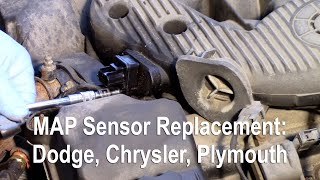
The MAP sensor is mounted directly on the intake manifold. On the 2.7L V6 engine, it is located on the front of the upper intake plenum, 🎬 See this step-by-step replacement walkthrough for the 2.7L engine. making it very easy to see and reach. On 2.0L and 2.4L 4-cylinder engines, it is also on the intake manifold, typically held in by one or two small bolts.
Is replacing the MAP sensor a difficult job?
No, this is considered a beginner-level repair. The job typically takes less than 30 minutes and requires basic hand tools, like a small socket wrench (often a 7mm or 8mm socket). The process involves disconnecting the battery, unplugging the electrical connector, removing the mounting bolts, swapping the sensor, and then reassembling.
Can I clean my MAP sensor instead of replacing it?
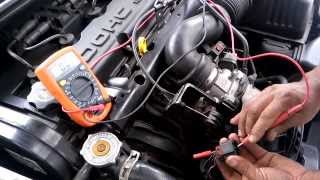
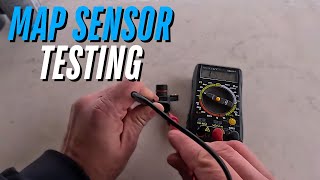
While some people attempt to clean MAP sensors with specialized electronic cleaner, it is generally not recommended as a long-term solution. 🎬 Learn how to test your sensor at home before buying parts. The sensor's internal electronics can fail in ways that cleaning cannot fix. Given the relatively low cost of a new aftermarket sensor and the critical role it plays, replacement is the most reliable repair.
Do I need to reset the computer after replacing the MAP sensor?
Yes. After replacing the sensor, it's important to clear the diagnostic trouble codes from the engine computer. You can do this with an OBD-II scan tool. Alternatively, disconnecting the battery for about 15 minutes during the repair will often reset the computer and allow it to relearn with the new sensor's data.
Helpful Videos
Technical Specifications
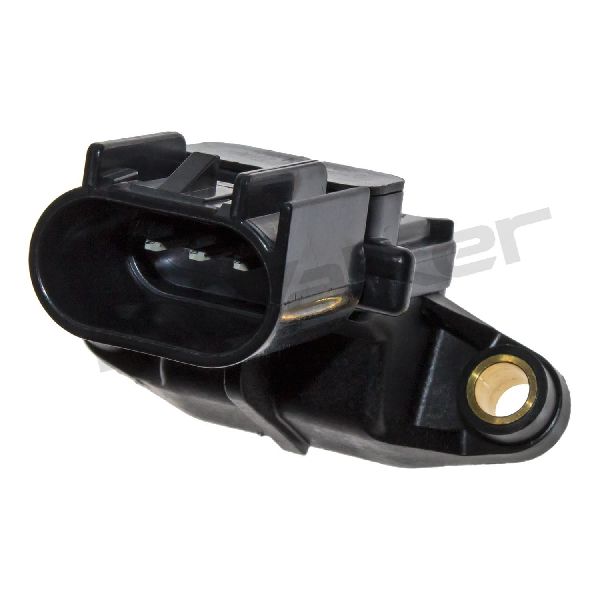
OEM Part Numbers: 68430060AA 4896003AA 4896002AD
Typically a 3-pin or 4-pin electronic sensor that bolts to the intake manifold.
We Have This Part in Stock


The information in this article is provided for general reference and educational purposes only. Vehicle specifications, procedures, and part compatibility can vary by production date, trim level, and region. Always consult your vehicle's factory service manual and verify part numbers before purchasing or performing repairs. Safety-critical components such as airbags, seat belts, and braking systems should be installed by a qualified professional.
- Dodge Stratus:
- 🎬 Helpful Videos
- 🛍️ Shop This Part
- Is Your Dodge Stratus Running Rough? It Could Be the MAP Sensor.
- Symptoms of a Failing MAP Sensor in a Dodge Stratus
- No Specific Recalls, But A Common Failure Part
- Choosing the Right Aftermarket MAP Sensor
- Tier 1: OEM-Quality Aftermarket
- Tier 2: Reputable Aftermarket Brands
- Tier 3: Budget-Friendly Options
- Pro Tip: OEM vs. Aftermarket
- Cost to Replace Dodge Stratus MAP Sensor
- Frequently Asked Questions
- 🎟️ Get 5% Off