

Dodge Stratus Oxygen Sensor Replacement Guide: 1995-2006
Is your Stratus running rough or getting bad gas mileage? A failing oxygen sensor could be the culprit.
- For best results, choose a Denso or NTK brand oxygen sensor; Dodge vehicles of this era can be sensitive to other brands like Bosch.
- Verify your engine size (4-cylinder or V6) to determine if you need two or four sensors and to order the correct part numbers.
- Do not ignore a bad O2 sensor, as it will decrease fuel economy and can lead to the failure of your much more expensive catalytic converter.
- A special O2 sensor socket is highly recommended for DIY replacement to make removing the old, often seized, sensor easier.
Is My Dodge Stratus Oxygen Sensor Failing?
A bad oxygen sensor doesn't always fail completely at once. It can weaken over time, causing subtle issues before it finally triggers a Check Engine Light. Ignoring the signs can lead to more expensive repairs down the road, including damage to your catalytic converter.
Common Symptoms of a Bad O2 Sensor:
- Check Engine Light: This is the most common sign. Codes like P0132, P0135, or P0138 often point directly to an O2 sensor problem.
- Poor Fuel Economy: A bad sensor can cause the engine to run rich, using more fuel than necessary.
- Rough Idle or Misfires: Your engine might shake, hesitate, or run unevenly, especially when stopped.
- Bad Smell from Exhaust: A rich fuel mixture can create a rotten egg or sulfur smell from the tailpipe.
- Failed Emissions Test: Incorrect air-fuel ratios will lead to high levels of pollutants in the exhaust.
Don't Ignore a Failing Sensor
Continuing to drive with a bad oxygen sensor can cause unburnt fuel to overheat and destroy your catalytic converter. Replacing an O2 sensor is much cheaper than replacing a catalytic converter.
How Many O2 Sensors Does My Stratus Have?
The number of sensors depends on your engine. It's crucial to order the correct one for your specific vehicle, as they are not interchangeable.
- 4-Cylinder Engines (2.0L, 2.4L): These models typically have two oxygen sensors. One is located upstream (before the catalytic converter), and one is downstream (after the catalytic converter).
- V6 Engines (2.5L, 2.7L, 3.0L): These models have four oxygen sensors. There is one upstream and one downstream sensor for each engine bank. On the 2.7L V6, for example, Bank 1 is toward the firewall (rear) and Bank 2 is toward the radiator (front).
Choosing the Right Aftermarket O2 Sensor
Not all aftermarket sensors are created equal, and Chrysler vehicles from this era can be particular about electronics. Choosing a quality brand is important to avoid having to do the job twice.
Brand Quality Tiers for Dodge Stratus
Premium (Recommended): Denso & NGK/NTK
These brands are often the Original Equipment Manufacturer (OEM) for Dodge. They are widely considered the most reliable choice and are least likely to cause compatibility issues. Forum members and mechanics strongly recommend using Denso or NTK for a guaranteed fix.Mid-Grade (Use with Caution): Bosch
Bosch is a well-known, high-quality brand. However, many Dodge owners have reported problems when using Bosch O2 sensors on this generation of vehicles. While they may work, there is a risk that your Stratus's computer won't "like" the sensor, leading to persistent Check Engine Lights.Economy Brands: Walker, Spectra, DriveWire, etc.
These brands offer a lower price point. While some may work without issue, they are generally considered a gamble. Mechanics often advise against using off-brand sensors, as they can be faulty out of the box or fail prematurely. If your budget is tight, a brand like Walker is a known entity in the exhaust world but may not be as reliable as the premium options.
Installation Pro-Tip
Old oxygen sensors are often seized in the exhaust pipe. Spray the old sensor with a good penetrating oil and let it soak before trying to remove it. You will likely need a special O2 sensor socket, which has a slot for the wire, to get the proper leverage for removal and installation. Always apply the included anti-seize compound to the threads of the new sensor to make future replacement easier.
Cost of Replacing a Dodge Stratus Oxygen Sensor
| Part Type | Estimated Cost |
|---|---|
| New Aftermarket Sensor | $25 - $150 |
| New OEM (Mopar) Sensor | $60 - $180+ |
| Shop Labor | $100 - $200 |
Frequently Asked Questions
Are there any recalls for the Dodge Stratus oxygen sensor?
No. Searches of the National Highway Traffic Safety Administration (NHTSA) database show several recalls for the 1995-2006 Dodge Stratus, but none are for the oxygen sensors themselves.
What's the difference between an upstream and downstream sensor?
The upstream sensor (also called Sensor 1) is located before the catalytic converter. Its main job is to provide real-time feedback for adjusting the air-fuel mixture. The downstream sensor (Sensor 2) is located after the catalytic converter and its main job is to monitor the converter's efficiency. A failure in the upstream sensor will have a more direct impact on engine performance and fuel economy.
Do I need to replace all the sensors at once?
No, you only need to replace the sensor that has failed. However, O2 sensors have a similar lifespan, typically lasting up to 100,000 miles on newer vehicles. If one has failed due to age, the others may not be far behind. If you have a V6 with four sensors, it can be cost-effective to replace them in pairs (both upstream or both downstream) to save on future labor costs.
Can I clean my oxygen sensor instead of replacing it?
While some people attempt to clean O2 sensors, it is not a reliable or recommended fix. The sensor's internal components wear out over time, and cleaning will not restore a failed heater circuit or a degraded sensing element. Given the critical role of the sensor and the affordable cost of a new aftermarket part, replacement is the only guaranteed solution.
Technical Specifications
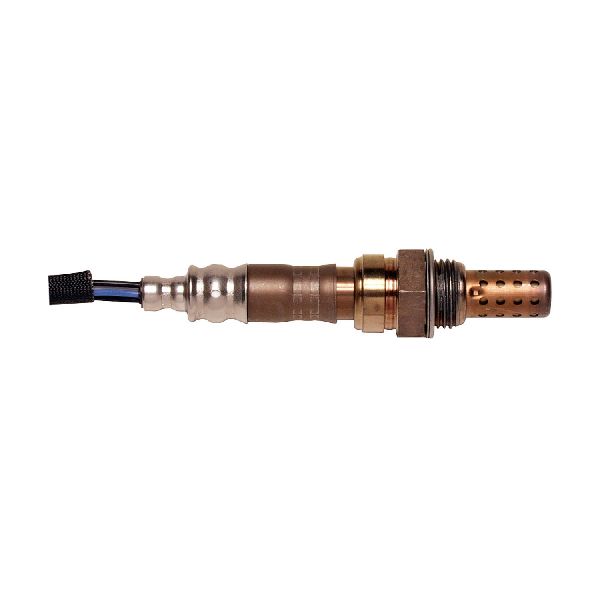
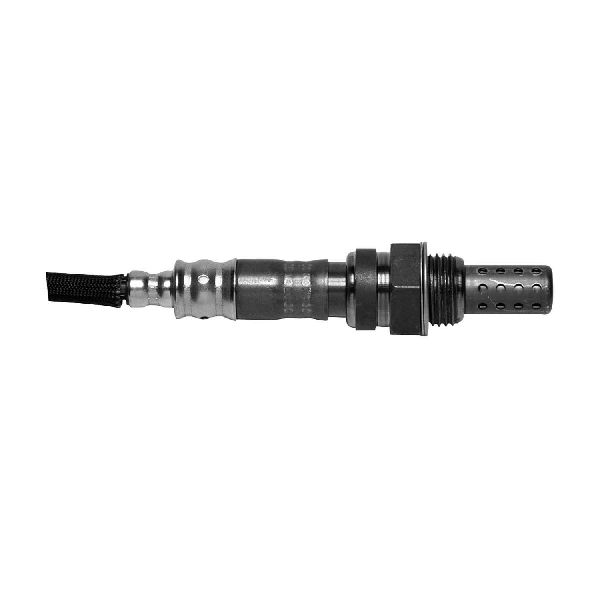
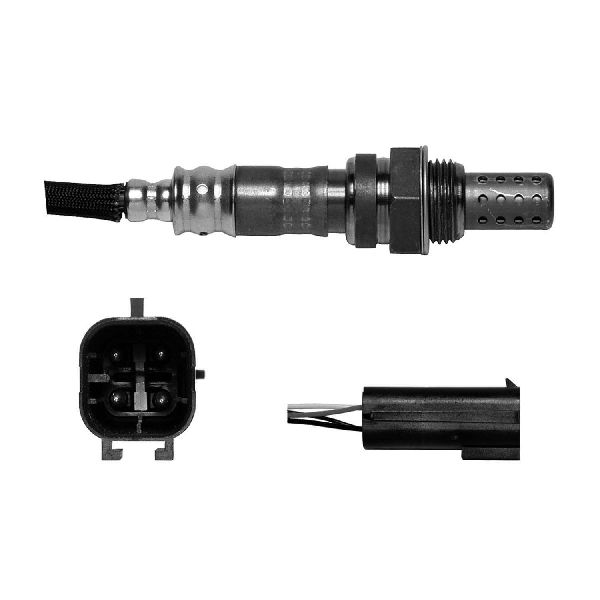
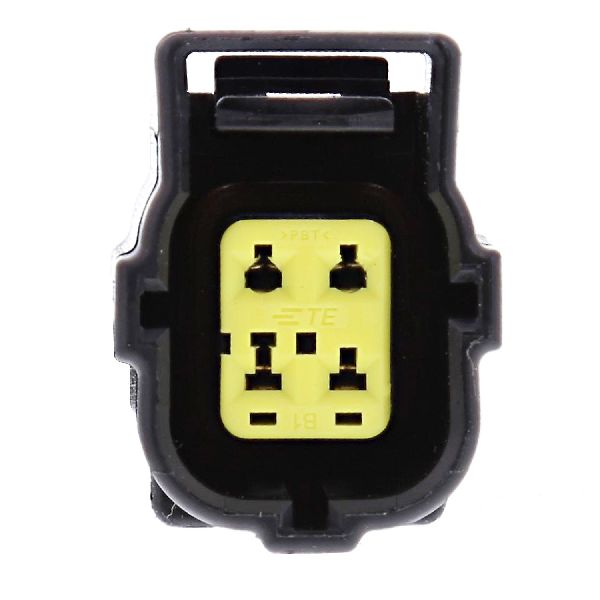
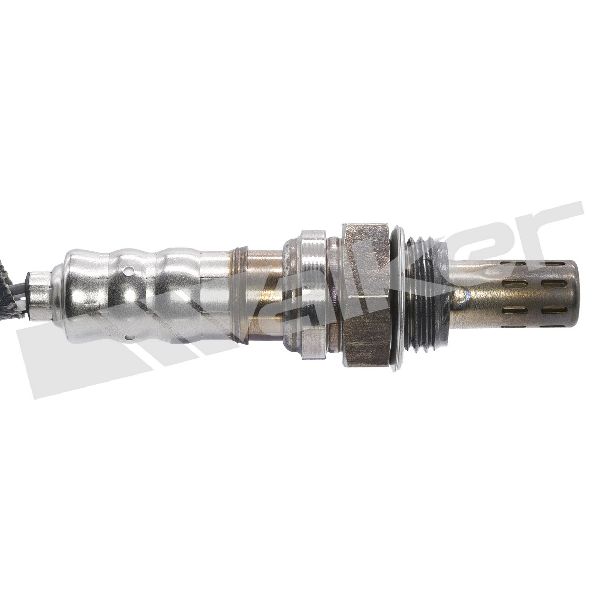
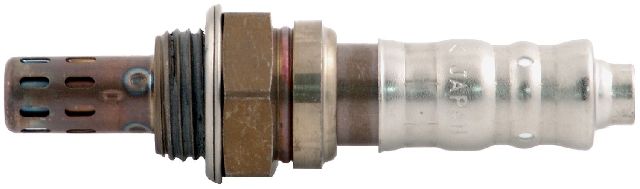
The number of sensors (2 or 4) and their specific locations (upstream/downstream, bank 1/bank 2) vary depending on the engine (2.0L, 2.4L, 2.5L, 2.7L, 3.0L) and model year. All are heated, 4-wire sensors.
We Have This Part in Stock

The information in this article is provided for general reference and educational purposes only. Vehicle specifications, procedures, and part compatibility can vary by production date, trim level, and region. Always consult your vehicle's factory service manual and verify part numbers before purchasing or performing repairs. Safety-critical components such as airbags, seat belts, and braking systems should be installed by a qualified professional.
- Dodge Stratus:
- 🛍️ Shop This Part
- Is My Dodge Stratus Oxygen Sensor Failing?
- Common Symptoms of a Bad O2 Sensor:
- Don't Ignore a Failing Sensor
- How Many O2 Sensors Does My Stratus Have?
- Choosing the Right Aftermarket O2 Sensor
- Brand Quality Tiers for Dodge Stratus
- Installation Pro-Tip
- Cost of Replacing a Dodge Stratus Oxygen Sensor
- Frequently Asked Questions
- 🎟️ Get 5% Off