

Dodge Stratus Throttle Position Sensor Guide (1995-2006)
Fix stalling, rough idle, and hesitation issues on your 1995-2006 Dodge Stratus by understanding and replacing the throttle position sensor.
- Verify your model: Stratus Sedans/Convertibles use different TPS sensors than Stratus Coupes.
- Check for water damage: A common, unofficial cause of failure is water dripping from a leaky windshield cowl onto the sensor.
- Invest in quality: For this part, spending more on a premium brand like Delphi or Standard Motor Products can prevent repeat failures.
- Easy DIY fix: Replacing the TPS is a simple, 30-minute job with basic tools, making it a great way to save on labor costs.
A Critical Warning: Sedan vs. Coupe Models
Before you buy, you must know that the 1995-2006 Dodge Stratus was built in two very different versions. The Sedan and Convertible models are different from the 2-door Coupe models. The coupes were based on the Mitsubishi Eclipse and use different parts. Ordering a TPS for a sedan will not work on a coupe, and vice-versa. Always verify your vehicle's body style before purchasing.
Symptoms of a Failing Throttle Position Sensor
A bad TPS will make your Stratus run poorly. The signs often start small and get worse. You may experience:
- Rough or Unstable Idle: The engine may idle too high or too low, sometimes surging up and down at a stop.
- Stalling: The engine might stall when you come to a stop or take your foot off the gas.
- Hesitation and Poor Acceleration: The car feels sluggish, hesitates, or 'bucks' when you press the gas pedal.
- Transmission Shifting Problems: On automatic models, a bad TPS can cause hard, late, or erratic shifts because the transmission doesn't know how much power to expect from the engine.
- Check Engine Light: A failing TPS will almost always trigger the check engine light. Common trouble codes include P0121, P0122, P0123, and P2135.
Choosing the Right Aftermarket TPS Brand
When it comes to sensors, not all aftermarket brands are created equal. For a critical part like the TPS, quality matters. Cheaper parts are known to fail quickly, sometimes within months, forcing you to do the job again.
Brand Quality Tiers
- Premium Aftermarket (OEM-Equivalent): Brands like Delphi are often original equipment manufacturers for many car companies. Choosing a part from this tier gives you the best chance of a long-lasting, reliable repair without paying dealership prices.
- Standard Aftermarket (Mid-Grade): Standard Motor Products (SMP), NTK, and Walker Products are well-regarded brands that offer a good balance of quality and price. They are a solid choice for most DIY repairs. Dorman also fits here, though forum opinions can be mixed; some find their parts innovative, while others report inconsistent quality.
- Economy Aftermarket (Budget): This tier includes house brands like Duralast, store-specific lines, and brands like Replacement, URO Parts, and Global Parts (GPD). While the low price is tempting, be aware that these sensors have a higher reported failure rate. They might solve your problem in the short term, but you may be replacing it again sooner than you'd like.
Replacement Cost
The cost to replace a throttle position sensor on a Dodge Stratus is relatively low, especially if you do the work yourself.
| Item | Cost Range |
|---|---|
| New Aftermarket Part | $27 - $171 |
| New OEM (Mopar) Part | $90 - $200+ (if available) |
| Shop Labor | $80 - $140 |
| Total Professional Replacement | $110 - $370+ |
Frequently Asked Questions (FAQ)
Can I replace the Dodge Stratus TPS myself?
Yes, this is a great DIY job for beginners. The TPS is located on the side of the throttle body and is typically held on by two T25 Torx screws. The job involves disconnecting the battery, unplugging the electrical connector, removing the two screws, and swapping the sensor. It usually takes less than 30 minutes.
Are there any recalls or TSBs for the Stratus TPS?
No. Searches of the National Highway Traffic Safety Administration (NHTSA) database show no recalls or technical service bulletins (TSBs) specifically for the throttle position sensor on the 1995-2006 Dodge Stratus.
Why did my cheap aftermarket TPS fail so quickly?
Economy-grade sensors often use lower-quality internal components that wear out faster or are more sensitive to heat and vibration. The internal contacts can wear down, or the electronics can fail, leading to the same symptoms as the original failed part. This is why many experienced mechanics recommend using an OEM or premium aftermarket brand for critical sensors.
What are the most common OBD-II codes for a bad TPS?
The most common codes are P0121 (Throttle Position Sensor/Switch A Circuit Range/Performance Problem), P0122 (Throttle Position Sensor/Switch A Circuit Low Input), and P0123 (Throttle Position Sensor/Switch A Circuit High Input). These codes point directly to a problem with the TPS signal.
Technical Specifications
OEM Part Numbers: 4606397AA (Sedan/Convertible, 2.4L, 2001-2006) 68405581AA (Sedan/Convertible, 2.4L, 2001-2006) MD628077 (Coupe, 2.4L/3.0L, 2001-2005)
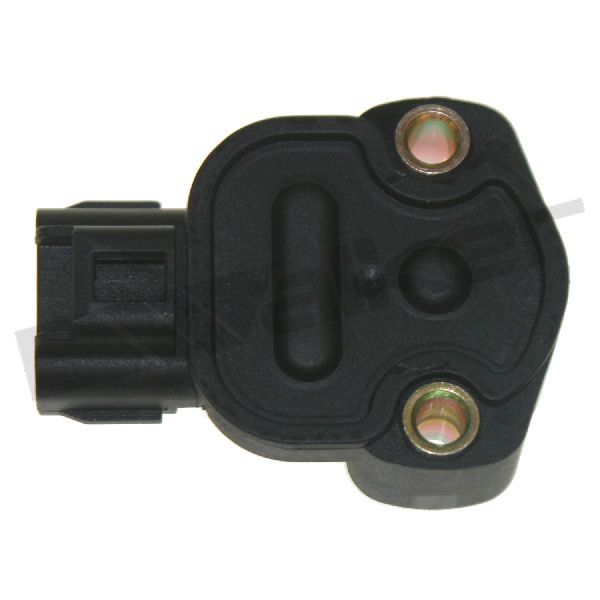
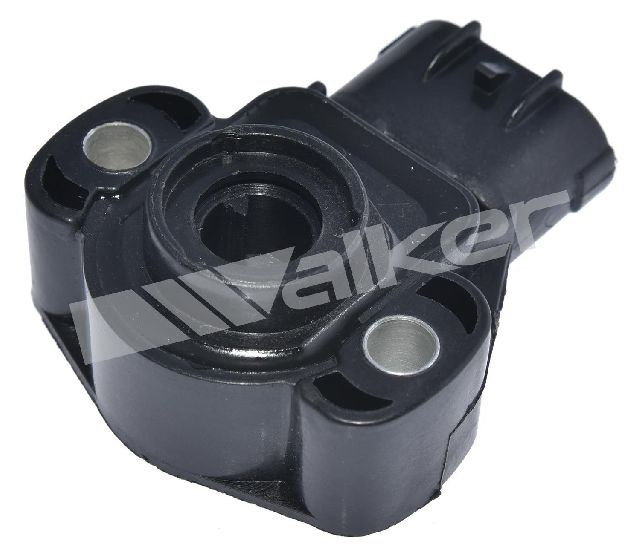
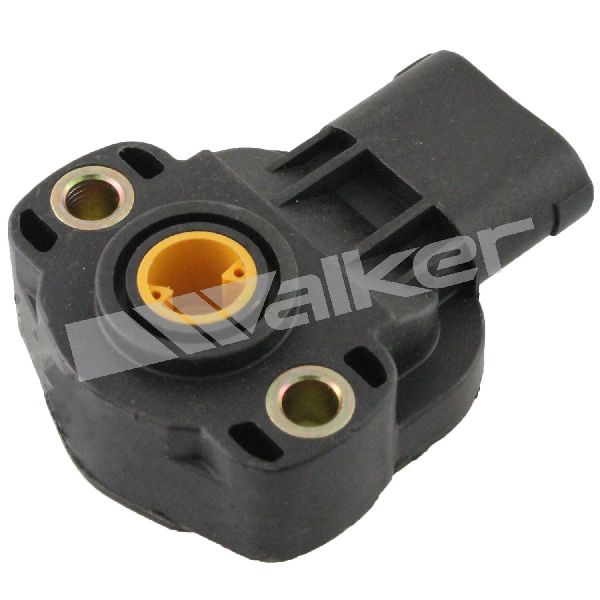
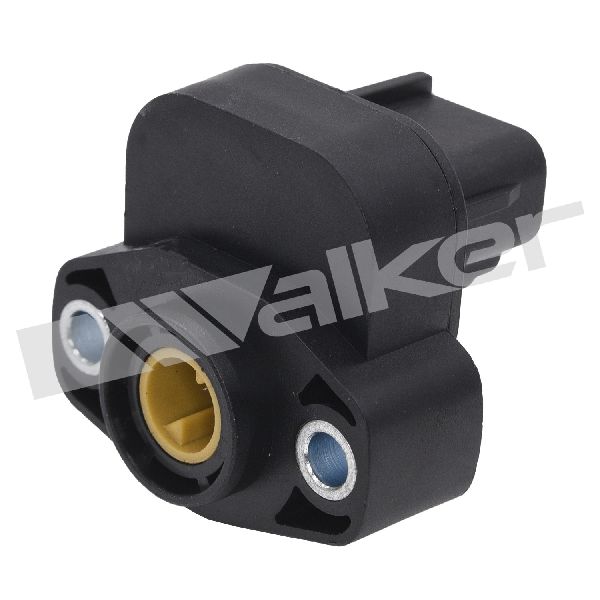
The throttle position sensor for the Dodge Stratus is a 3-pin potentiometer-style sensor that mounts to the throttle body, typically with two T25 Torx screws.
We Have This Part in Stock


The information in this article is provided for general reference and educational purposes only. Vehicle specifications, procedures, and part compatibility can vary by production date, trim level, and region. Always consult your vehicle's factory service manual and verify part numbers before purchasing or performing repairs. Safety-critical components such as airbags, seat belts, and braking systems should be installed by a qualified professional.
- Dodge Stratus: